Heavy-duty towing is an essential service in the transportation and recovery industry, specifically designed for large vehicles and equipment that exceed the capacity of standard towing operations. This specialized service addresses the unique challenges presented by heavy vehicles, including commercial trucks, buses, and construction machinery. Heavy-duty towing providers transport and recover these large units safely and efficiently, preventing additional damage to the vehicle and minimizing environmental impact.
Heavy-duty towing is frequently required in emergency situations such as vehicle breakdowns, accidents, or mechanical failures that leave a vehicle unable to operate. Businesses and individuals depend on access to qualified heavy-duty towing services to address these unexpected situations promptly. Common scenarios requiring heavy-duty towing include commercial trucks disabled on highways and construction equipment immobilized at job sites.
Professional heavy-duty towing operators possess the specialized equipment, training, and experience necessary to manage these complex recovery operations effectively.
Key Takeaways
- Heavy-duty towing is essential for moving large, heavy vehicles that standard towing cannot handle.
- Specialized equipment and vehicles are required to safely perform heavy-duty towing operations.
- Proper training and certification are crucial to manage the risks and challenges involved in heavy-duty towing.
- Heavy-duty towing generally incurs higher costs compared to standard towing due to the complexity and equipment used.
- Selecting the right towing service depends on understanding the specific towing needs and the capabilities of the provider.
The Equipment and Vehicles Involved in Heavy-Duty Towing
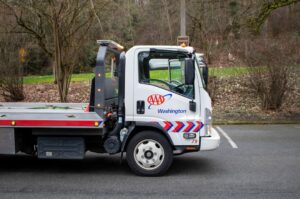
Heavy-duty towing requires specialized equipment designed to handle the weight and size of larger vehicles. Tow trucks used for this purpose are equipped with powerful winches, reinforced frames, and advanced hydraulic systems that allow them to lift and transport heavy loads safely. Common types of heavy-duty tow trucks include rotator trucks, which can rotate 360 degrees to maneuver around obstacles, and flatbed trucks that provide a stable platform for transporting vehicles.
The vehicles involved in heavy-duty towing can vary widely, ranging from large commercial trucks and buses to construction equipment like excavators and bulldozers. Each type of vehicle presents unique challenges in terms of weight distribution, size, and recovery techniques. For instance, a bus may require different towing methods compared to a tractor-trailer, necessitating a thorough understanding of each vehicle’s specifications and handling requirements.
The Challenges and Risks of Heavy-Duty Towing
Heavy-duty towing is not without its challenges and risks. One of the primary concerns is the sheer weight of the vehicles being towed. Improper handling can lead to accidents, not only endangering the operators but also posing risks to other road users.
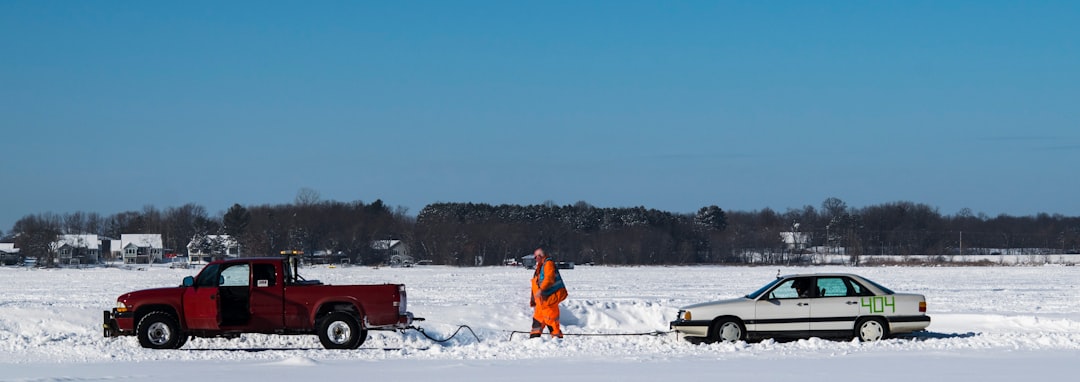
Additionally, adverse weather conditions can complicate towing operations, making it essential for operators to be skilled in navigating various terrains and situations. Another challenge is the potential for damage during the towing process. Heavy vehicles often have sensitive components that can be easily damaged if not handled correctly.
For example, a miscalculated lift could result in structural damage to the vehicle being towed or even the tow truck itself. Therefore, it is crucial for towing professionals to be aware of these risks and take appropriate precautions to mitigate them.
The Importance of Proper Training and Certification for Heavy-Duty Towing
Given the complexities involved in heavy-duty towing, proper training and certification are paramount for operators in this field. Training programs typically cover a range of topics, including vehicle dynamics, safety protocols, and equipment operation. Certification ensures that operators have met industry standards and possess the necessary skills to perform their duties safely and effectively.
Operators must stay updated on best practices and safety regulations to ensure they are providing the highest level of service. This commitment to training not only enhances the safety of towing operations but also builds trust with clients who rely on these services during emergencies.
Comparing the Costs of Heavy-Duty Towing and Standard Towing
| Aspect | Heavy-Duty Towing | Standard Towing |
|---|---|---|
| Typical Vehicle Types Towed | Large trucks, buses, RVs, construction equipment | Cars, motorcycles, small trucks, SUVs |
| Maximum Towing Capacity | Up to 50,000+ lbs | Up to 10,000 lbs |
| Equipment Used | Heavy-duty tow trucks, rotators, boom trucks, flatbeds with high capacity | Standard flatbeds, wheel-lift tow trucks, dollies |
| Typical Use Cases | Accidents involving large vehicles, vehicle recovery, commercial transport | Breakdowns, parking violations, light vehicle recovery |
| Operator Training & Certification | Specialized training required for handling heavy loads and complex recoveries | Basic towing certification and training |
| Cost Range | Higher due to equipment and expertise required | Lower, suitable for everyday vehicle towing |
| Response Time | May be longer due to specialized equipment mobilization | Typically faster for local and standard towing needs |
When considering towing services, it’s important to understand the cost differences between heavy-duty towing and standard towing. Generally, heavy-duty towing tends to be more expensive due to the specialized equipment and expertise required. The costs can vary based on factors such as distance, type of vehicle, and specific services needed.
While standard towing may suffice for smaller vehicles like cars or motorcycles, heavy-duty towing involves additional considerations such as weight limits and recovery techniques. Clients should weigh these factors when budgeting for towing services. It’s advisable to consult with a reputable towing company to get an accurate estimate based on individual circumstances.
The Types of Situations that Require Heavy-Duty Towing
Heavy-duty towing is often required in various situations that involve larger vehicles or equipment. Common scenarios include accidents involving commercial trucks or buses, breakdowns on highways or remote locations, and recovery operations for construction machinery that has become immobilized. Each situation demands a tailored approach to ensure safe recovery or transport.
Additionally, heavy-duty towing may be necessary for load shifts or transfers when cargo becomes unbalanced or improperly secured. In such cases, specialized equipment is required to safely reposition the load without causing further complications. Understanding these scenarios helps clients recognize when they need to seek out heavy-duty towing services rather than relying on standard options.
The Limitations of Standard Towing and When Heavy-Duty Towing is Necessary
Standard towing services are typically designed for lighter vehicles and may not have the capacity or equipment needed for heavier loads. For instance, attempting to tow a large truck with a standard tow truck can lead to equipment failure or accidents due to insufficient power or improper techniques. Recognizing these limitations is crucial for ensuring safety during towing operations.
Heavy-duty towing becomes necessary when dealing with vehicles that exceed standard weight limits or require specialized handling techniques. This includes not only large trucks but also buses, trailers loaded with heavy cargo, and construction equipment. Clients should assess their specific needs carefully and consult with professionals who can provide guidance on whether heavy-duty towing is required.
Choosing the Right Towing Service for Your Needs
Selecting the right towing service is essential for ensuring a smooth recovery or transport experience. When looking for a heavy-duty towing provider, consider factors such as their experience in handling large vehicles, availability of specialized equipment, and commitment to safety protocols. A reputable company will have trained professionals who understand the intricacies of heavy-duty towing.
Additionally, it’s beneficial to read reviews or seek recommendations from others who have used their services. A company with a strong local presence in Oklahoma City will likely have a better understanding of regional challenges and road conditions. Ultimately, choosing a reliable towing service can make all the difference in effectively managing your heavy-duty towing needs.
In conclusion, heavy-duty towing plays an essential role in ensuring the safe recovery and transport of larger vehicles and equipment. Understanding its purpose, challenges, and requirements can help clients make informed decisions when seeking these services. If you find yourself in need of heavy-duty towing assistance in Oklahoma City or surrounding areas, don’t hesitate to reach out to Arrow Wrecker Service at (405) 943-1800.
Our team is ready to assist you at any time from our location at 700 N. Villa Ave, Oklahoma City, OK 73107.
In understanding the distinctions between heavy-duty towing and standard towing, it’s also important to consider the legal aspects involved in towing services. For more information on the legal requirements and regulations surrounding towing, you can refer to this informative article on towing laws and regulations. This resource provides valuable insights that can help you navigate the complexities of towing services effectively.
FAQs
What is heavy-duty towing?
Heavy-duty towing refers to the process of towing large, heavy vehicles or equipment, such as buses, semi-trucks, construction machinery, and other oversized loads. It requires specialized trucks and equipment designed to handle higher weight capacities and more demanding towing conditions.
How does standard towing differ from heavy-duty towing?
Standard towing typically involves lighter vehicles such as cars, SUVs, and small trucks. It uses smaller tow trucks with lower weight capacities. Heavy-duty towing, on the other hand, involves much larger vehicles and requires more powerful tow trucks with reinforced frames, stronger winches, and additional safety features.
What types of equipment are used in heavy-duty towing?
Heavy-duty towing uses specialized equipment such as rotator tow trucks, heavy-duty flatbeds, boom trucks, and integrated tow trucks. These vehicles are equipped with powerful winches, hydraulic lifts, and reinforced towing arms to safely handle large and heavy loads.
When is heavy-duty towing necessary?
Heavy-duty towing is necessary when towing large commercial vehicles, heavy machinery, or vehicles that exceed the weight limits of standard tow trucks. This includes situations like semi-truck breakdowns, bus towing, or moving construction equipment.
Are there different licensing requirements for heavy-duty towing operators?
Yes, operators of heavy-duty tow trucks often require specialized training and commercial driver’s licenses (CDL) due to the size and weight of the vehicles they handle. Regulations vary by region but generally include safety training and certification.
Is heavy-duty towing more expensive than standard towing?
Generally, heavy-duty towing is more expensive than standard towing due to the specialized equipment, higher labor requirements, and increased risk involved. The cost depends on factors such as distance, vehicle size, and complexity of the tow.
Can standard tow trucks handle heavy-duty towing tasks?
No, standard tow trucks are not designed to handle the weight and size of heavy-duty vehicles. Using a standard tow truck for heavy-duty towing can be unsafe and may cause damage to both the tow truck and the vehicle being towed.
What safety considerations are important in heavy-duty towing?
Safety considerations include proper securing of the load, using the correct towing equipment, adhering to weight limits, ensuring the tow truck is in good condition, and following all traffic and safety regulations. Operators must also be trained to handle the complexities of towing large vehicles.
Can heavy-duty towing be used for emergency roadside assistance?
Yes, heavy-duty towing services often provide emergency roadside assistance for large commercial vehicles, including accident recovery, breakdown towing, and vehicle extrication.
How do I choose between heavy-duty towing and standard towing services?
The choice depends on the size and weight of the vehicle needing towing. For passenger cars and light trucks, standard towing is appropriate. For commercial vehicles, buses, or heavy machinery, heavy-duty towing services are required to ensure safe and effective transport.