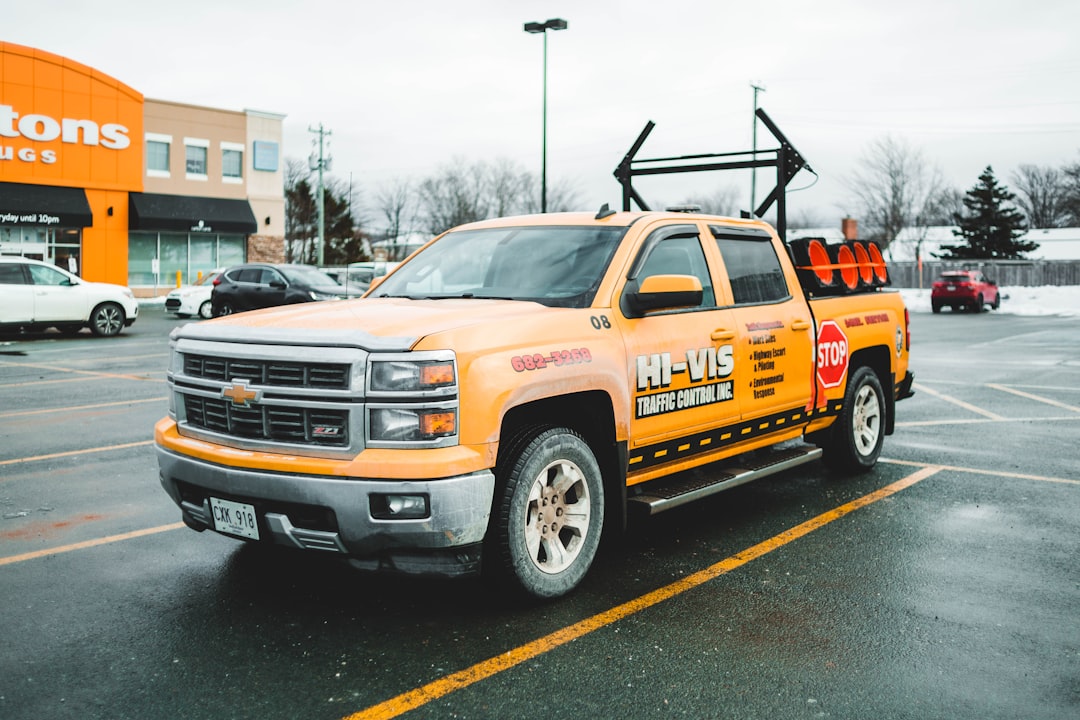
When it comes to towing services, understanding the various types of tow trucks available is essential for making an informed decision. Each type of tow truck is designed for specific tasks, and knowing the differences can help you choose the right one for your situation. The most common types of tow trucks include flatbed trucks, wheel-lift trucks, and heavy-duty tow trucks.
Each of these vehicles has unique features that cater to different towing needs. Flatbed tow trucks are equipped with a flat platform that can be lowered to the ground, allowing vehicles to be driven or winched onto the bed. This design is particularly beneficial for transporting vehicles that are damaged or inoperable, as it minimizes the risk of further damage during the towing process.
Wheel-lift tow trucks utilize a hydraulic lift system to raise the front or rear wheels of a vehicle off the ground. This method is commonly used for lighter vehicles and is more efficient for quick pickups. Heavy-duty tow trucks are built to handle larger vehicles, such as buses and trucks, and are equipped with powerful winches and additional support systems.
Understanding these distinctions is crucial when assessing your towing needs. Whether you require light-duty towing for a sedan or heavy-duty recovery for a commercial vehicle, knowing which type of tow truck is best suited for your situation can save you time and ensure a smoother towing experience.
Key Takeaways
- Different tow truck types serve various towing needs, including flatbed and wheel-lift options.
- Assess your specific towing requirements before choosing a tow truck type.
- Flatbed tow trucks offer benefits like safer transport for vehicles.
- Wheel-lift tow trucks provide advantages such as quicker hook-up and maneuverability.
- Research local companies, compare costs, and read customer reviews to make an informed towing decision.
Assessing Your Towing Needs
Before contacting a towing service, it’s important to assess your specific needs. Consider the type of vehicle you need to tow, its condition, and the circumstances surrounding the towing request. For instance, if your vehicle has broken down on the highway, you may require immediate assistance from a light-duty tow truck.
Conversely, if you’re dealing with a heavy-duty vehicle that has experienced a mechanical failure, a heavy-duty tow truck will be necessary. Additionally, think about the distance the vehicle needs to be transported. Local towing services may have different capabilities compared to those that offer long-distance transport.
If you’re moving a vehicle across state lines or to a distant location, ensure that the towing company can accommodate your request. It’s also wise to consider any special requirements you may have, such as transporting a classic car or a motorcycle, which may necessitate specialized equipment. By taking the time to evaluate your towing needs, you can provide the towing company with essential information that will help them determine the best approach for your situation.
This proactive step can lead to a more efficient and effective towing experience.
Considering the Benefits of Flatbed Tow Trucks
Flatbed tow trucks offer several advantages that make them a popular choice for many towing situations. One of the primary benefits is their versatility. The flatbed design allows for easy loading and unloading of vehicles, making them ideal for transporting cars that are inoperable or have been involved in accidents.
The ability to drive or winch a vehicle onto the flatbed minimizes the risk of damage during transport, which is particularly important for high-value or classic cars. Another significant advantage of flatbed tow trucks is their stability during transport. With all four wheels off the ground, vehicles are secured in place and less likely to shift or sustain damage while being transported.
This stability is especially beneficial when navigating rough terrain or uneven surfaces. Additionally, flatbed trucks can accommodate a wide range of vehicle sizes, from compact cars to larger SUVs, making them an excellent option for various towing needs. In summary, flatbed tow trucks provide a safe and efficient means of transporting vehicles, particularly those that are damaged or non-operational.
Their versatility and stability make them an excellent choice for many towing scenarios.
Exploring the Advantages of Wheel-Lift Tow Trucks
Wheel-lift tow trucks are another popular option in the towing industry, particularly for light-duty towing needs. One of their primary advantages is their efficiency in quickly picking up vehicles. The hydraulic lift system allows operators to raise either the front or rear wheels of a vehicle off the ground with minimal effort.
This feature makes wheel-lift trucks ideal for situations where time is of the essence, such as roadside assistance calls. Another benefit of wheel-lift tow trucks is their compact size and maneuverability. These trucks can easily navigate tight spaces and urban environments where larger flatbed trucks may struggle.
This makes them an excellent choice for towing vehicles in crowded areas or during busy traffic conditions. Additionally, wheel-lift trucks are often more cost-effective than flatbed options, making them an attractive choice for budget-conscious customers. While wheel-lift tow trucks may not be suitable for all types of vehicles—especially those with low ground clearance or extensive damage—they remain a reliable option for many light-duty towing situations.
Their efficiency and maneuverability make them a valuable asset in the towing industry.
Evaluating the Cost and Availability of Each Option
| Criteria | Flatbed Tow Truck | Wheel-Lift Tow Truck |
|---|---|---|
| Vehicle Type Compatibility | Suitable for all vehicle types, including luxury and low-clearance cars | Best for standard vehicles and those with higher clearance |
| Safety for Vehicle | High safety; entire vehicle is lifted off the ground, preventing damage | Moderate safety; only front or rear wheels lifted, risk of damage to vehicle undercarriage |
| Loading Time | Longer loading time due to winching vehicle onto bed | Faster loading time by lifting wheels directly |
| Cost Efficiency | Generally higher cost due to equipment and operation | More cost-effective for short-distance or quick tows |
| Terrain Suitability | Better for uneven or rough terrain as vehicle is fully supported | Less suitable for rough terrain; risk of vehicle dragging |
| Vehicle Condition | Ideal for damaged or immobile vehicles | Suitable for operable vehicles with intact wheels |
| Common Uses | Long-distance towing, luxury cars, motorcycles, and heavy-duty towing | Short-distance towing, quick roadside assistance, and parking enforcement |
When considering your towing needs, it’s essential to evaluate the cost and availability of each type of tow truck. Pricing can vary significantly based on factors such as distance, type of vehicle, and specific services required. Flatbed tow trucks may come at a premium due to their versatility and ability to transport damaged vehicles safely.
In contrast, wheel-lift tow trucks may offer more budget-friendly options for lighter vehicles. Availability is another critical factor to consider when choosing a towing service. Some companies may specialize in specific types of towing, while others may offer a broader range of services.
It’s important to inquire about the availability of different types of tow trucks when contacting local towing companies. Additionally, consider whether they provide 24/7 service, as emergencies can happen at any time. By evaluating both cost and availability, you can make an informed decision that aligns with your budget and specific needs.
This careful consideration will help ensure that you receive the right type of service when you need it most.
Researching Local Tow Truck Companies and Their Services
Once you’ve assessed your towing needs and considered your options, it’s time to research local tow truck companies in your area. Start by looking for companies that specialize in the type of towing you require—whether it’s light-duty, heavy-duty, or specialized services like winch-outs or load shifts. A quick online search can provide you with a list of potential providers along with their service offerings.
As you research local companies, pay attention to their reputation within the community. Look for businesses that have been established for several years and have built a solid track record of reliability and professionalism. Many companies will have websites detailing their services, but also consider checking third-party review sites for customer feedback.
Additionally, don’t hesitate to reach out directly to local companies to ask questions about their services, pricing structures, and availability. A reputable company will be happy to provide you with information and address any concerns you may have.
Seeking Recommendations and Reviews from Other Customers
One of the best ways to gauge the quality of a towing service is by seeking recommendations from friends, family, or colleagues who have used their services in the past. Personal experiences can provide valuable insights into how well a company operates and how they handle various situations. If someone you trust has had a positive experience with a particular towing company, it’s likely that you’ll receive similar service.
In addition to personal recommendations, online reviews can also be an excellent resource for evaluating local towing companies. Websites like Google Reviews or Yelp allow customers to share their experiences and rate businesses based on various criteria such as timeliness, professionalism, and overall satisfaction. Pay attention to both positive and negative reviews to get a balanced perspective on each company.
When reading reviews, look for patterns in customer feedback—consistent praise or complaints about specific aspects of service can help you make an informed decision about which company to choose.
Making an Informed Decision for Your Towing Needs
After conducting thorough research and gathering recommendations, it’s time to make an informed decision regarding your towing needs. Consider all the information you’ve gathered about different companies, their services, pricing structures, and customer feedback. Weighing these factors will help you identify which company aligns best with your requirements.
It’s also important to trust your instincts during this process. If something feels off about a particular company—whether it’s poor communication or unprofessional behavior—it’s okay to continue your search until you find a provider that meets your expectations. Once you’ve made your choice, don’t hesitate to reach out to the selected towing company directly to confirm details about their services and availability.
Clear communication will ensure that both parties are on the same page regarding your needs. In conclusion, understanding your towing options and conducting thorough research will empower you to make an informed decision when faced with unexpected vehicle issues. If you’re in need of reliable towing services in Oklahoma City or surrounding areas, call Arrow Wrecker Service at (405) 943-1800 today!
Villa Ave, Oklahoma City, OK 73107.
When considering how to choose the right tow truck, it’s essential to understand the differences between flatbed and wheel-lift options. For more insights on towing services and their legal implications, you can check out this informative article on legal aspects of towing at Arrow Wrecker’s Legal Guide. This resource can help you navigate the complexities of towing regulations and ensure you make an informed decision.
FAQs
What are the main types of tow trucks?
The two main types of tow trucks are flatbed tow trucks and wheel-lift tow trucks. Flatbed tow trucks have a large, flat platform that can be hydraulically inclined and lowered to the ground to load a vehicle. Wheel-lift tow trucks use a metal yoke to lift the vehicle by its wheels.
When should I choose a flatbed tow truck?
A flatbed tow truck is ideal for transporting vehicles that are immobile, have severe damage, or have all-wheel or four-wheel drive. It provides full support by carrying the entire vehicle on the bed, preventing further damage during transport.
What are the advantages of a wheel-lift tow truck?
Wheel-lift tow trucks are generally faster and more maneuverable for short-distance towing. They lift only the front or rear wheels of the vehicle, making them suitable for vehicles that are drivable or lightly damaged.
Are flatbed tow trucks safer for my vehicle?
Yes, flatbed tow trucks are considered safer for most vehicles because the entire vehicle is lifted off the ground, reducing the risk of damage to the tires, suspension, and drivetrain during transport.
Can all vehicles be towed with a wheel-lift tow truck?
No, wheel-lift tow trucks are not suitable for all vehicles, especially those with all-wheel drive or certain low-clearance sports cars. Using a wheel-lift on these vehicles can cause mechanical damage.
Which type of tow truck is more expensive to hire?
Flatbed tow trucks typically cost more to hire than wheel-lift tow trucks due to their versatility and the additional equipment required to operate them.
How do I decide which tow truck to use?
Consider the condition of your vehicle, the type of drivetrain, and the distance it needs to be towed. For severely damaged or all-wheel-drive vehicles, a flatbed is usually the best choice. For short distances and lightly damaged vehicles, a wheel-lift may be sufficient.
Is it important to inform the tow truck operator about my vehicle type?
Yes, informing the operator about your vehicle’s make, model, and condition helps them choose the appropriate tow truck and towing method, ensuring safe and damage-free transport.