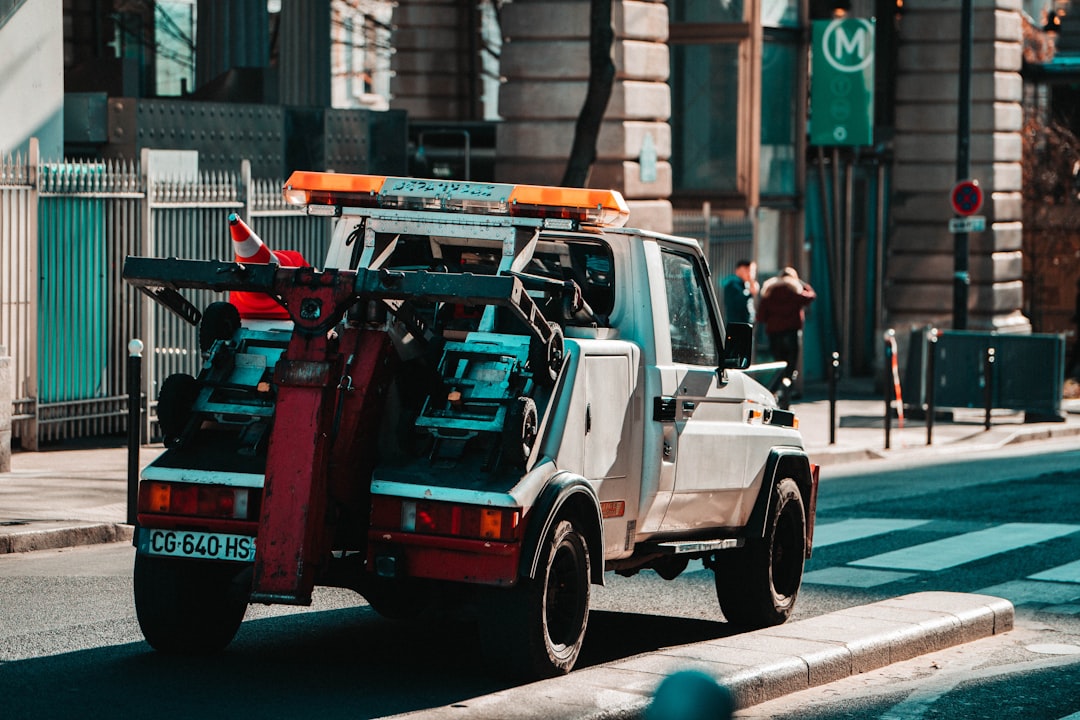
When selecting towing services, it is important to understand the different types of tow trucks available and their specific applications. Tow trucks are engineered for particular towing requirements, and familiarity with their distinctions enables appropriate selection for your needs. The primary categories of tow trucks are flatbed tow trucks, wheel-lift tow trucks, and heavy-duty tow trucks, each offering distinct features suited to different circumstances.
Flatbed tow trucks feature a horizontal platform that lowers to ground level, enabling vehicles to be driven or winched onto the bed. This configuration is particularly effective for transporting damaged or non-operational vehicles, as it reduces the potential for additional damage during transport. Wheel-lift tow trucks employ a hydraulic lifting mechanism to elevate the front or rear wheels of a vehicle above the ground.
This approach is typically applied to lighter vehicles and provides efficiency for rapid recovery operations. Heavy-duty tow trucks are engineered for larger vehicles, including buses and commercial trucks, and incorporate powerful winches and reinforced structural components to accommodate substantial loads. This knowledge is valuable for both vehicle owners and towing service operators.
By understanding the operational capabilities of each tow truck type, you can ensure your vehicle is transported safely and effectively. Whether you need a flatbed for a luxury vehicle or a heavy-duty truck for a commercial vehicle, understanding these options allows you to make an informed decision.
Key Takeaways
- Different tow trucks serve specific purposes; understanding types like flatbed and wheel-lift is crucial.
- Vehicle size, weight, and towing distance significantly influence the choice of tow truck.
- Safety and security measures must be prioritized during towing operations.
- Cost and availability of tow truck services vary and impact decision-making.
- Additional factors such as terrain and specific towing needs should guide the selection process.
Considerations for Choosing a Flatbed Tow Truck
When selecting a flatbed tow truck, several factors should be taken into account to ensure that it meets your specific needs. One of the primary considerations is the type of vehicle being towed. Flatbed tow trucks are ideal for transporting vehicles that are damaged, have low ground clearance, or are unable to be driven.
If your vehicle falls into one of these categories, a flatbed tow truck is likely the best option. Another important consideration is the weight capacity of the flatbed truck. Different flatbed models have varying weight limits, so it’s essential to choose one that can safely accommodate your vehicle’s weight.
Additionally, consider the dimensions of your vehicle; some flatbeds may not be suitable for larger vehicles or those with unique shapes. Ensuring that the flatbed can securely hold your vehicle will prevent any potential accidents during transport. Safety features are also paramount when choosing a flatbed tow truck.
Look for trucks equipped with proper tie-downs and safety straps to secure your vehicle during transport. A well-maintained flatbed with a reliable winching system will further enhance safety and efficiency. By taking these factors into account, you can select a flatbed tow truck that meets your needs while prioritizing safety.
Considerations for Choosing a Wheel-Lift Tow Truck
Choosing a wheel-lift tow truck involves several considerations that can impact the effectiveness and safety of the towing process. One of the primary factors to consider is the type of vehicle being towed. Wheel-lift tow trucks are best suited for lighter vehicles, such as sedans and small SUVs.
If you need to tow a heavier vehicle, it may be more appropriate to opt for a flatbed or heavy-duty tow truck. Another important aspect to consider is the condition of the vehicle being towed. If the vehicle is operational and can be driven onto the truck, a wheel-lift tow truck may be an efficient choice.
However, if the vehicle is inoperable or has significant damage, a flatbed may be necessary to prevent further harm during transport. Assessing the condition of your vehicle will help you determine whether a wheel-lift tow truck is suitable. Additionally, consider the terrain where the towing will take place.
Wheel-lift tow trucks are generally more maneuverable in tight spaces compared to flatbeds, making them ideal for urban environments or areas with limited access. However, if you are in a rural area with uneven terrain, a flatbed may provide better stability and safety during transport. By evaluating these factors, you can make an informed decision about whether a wheel-lift tow truck is right for your needs.
Weight and Size of the Vehicle Being Towed
The weight and size of the vehicle being towed are critical factors that influence the choice of tow truck. Each type of tow truck has specific weight limits and size restrictions that must be adhered to in order to ensure safe towing practices. Understanding these limitations will help you select the appropriate towing service for your situation.
For lighter vehicles, such as compact cars or motorcycles, both flatbed and wheel-lift tow trucks can be effective options. However, as the weight and size of the vehicle increase, it becomes essential to choose a heavy-duty tow truck that can handle larger loads safely. Heavy-duty tow trucks are specifically designed to accommodate commercial vehicles, buses, and larger SUVs, providing the necessary power and stability for safe transport.
In addition to weight considerations, it’s also important to assess the dimensions of your vehicle. Some tow trucks may have restrictions on height or width, which could affect their ability to transport certain vehicles. Before selecting a towing service, ensure that they have equipment capable of handling both the weight and size of your vehicle to avoid complications during transport.
Towing Distance and Terrain
| Criteria | Flatbed Tow Truck | Wheel-Lift Tow Truck |
|---|---|---|
| Best For | Transporting vehicles without damage, luxury or all-wheel drive cars | Quick towing of disabled vehicles, short distances |
| Vehicle Contact | Entire vehicle rests on flatbed, no contact with wheels | Only front or rear wheels lifted, other wheels remain on ground |
| Damage Risk | Minimal risk of damage or wear | Higher risk of damage to tires, suspension, or drivetrain |
| Loading Time | Longer due to winching and positioning | Faster, vehicle is lifted and secured quickly |
| Cost | Generally higher due to equipment and operation | Lower operational cost |
| Terrain Suitability | Better for uneven or rough terrain | Best on flat, paved surfaces |
| Vehicle Size Limit | Can handle larger and heavier vehicles | Limited to lighter vehicles |
| Common Uses | Long-distance towing, luxury cars, motorcycles | Local towing, parking enforcement, quick recovery |
The distance over which a vehicle needs to be towed plays a significant role in determining which type of tow truck is most appropriate. For short distances within urban areas, both flatbed and wheel-lift tow trucks can be effective options. However, if you require towing over longer distances or through challenging terrain, additional considerations come into play.
When towing over long distances, it’s essential to choose a reliable towing service that prioritizes safety and efficiency. Flatbed tow trucks are often preferred for long-distance towing because they provide better stability and protection for the vehicle being transported. The flat surface minimizes movement during transit, reducing the risk of damage.
Terrain also plays a crucial role in selecting the right tow truck. If you are in an area with steep hills or rough roads, a heavy-duty tow truck may be necessary to navigate these challenges safely. Additionally, consider whether there are any obstacles or tight spaces that could affect access for larger trucks.
By evaluating both distance and terrain, you can make an informed decision about which type of tow truck will best meet your needs.
Safety and Security Concerns
Safety should always be a top priority when it comes to towing services. Both the safety of your vehicle and the security of its contents are paramount considerations when selecting a tow truck. Understanding how different types of tow trucks address safety concerns can help you make an informed choice.
Flatbed tow trucks offer several safety advantages due to their design. The flat surface allows for secure loading and unloading of vehicles while minimizing movement during transport. Additionally, reputable towing companies will use proper tie-downs and safety straps to secure your vehicle effectively.
This reduces the risk of damage during transit and ensures that your vehicle remains stable throughout the journey. Wheel-lift tow trucks also prioritize safety but may not provide the same level of protection as flatbeds when transporting inoperable vehicles. If your vehicle is operational and can be driven onto the lift, safety concerns are minimized; however, if it is damaged or immobile, additional precautions should be taken to ensure secure transport.
Always inquire about safety measures when selecting a towing service to ensure that your vehicle is handled with care.
Cost and Availability of Tow Truck Services
Cost is an important consideration when choosing a towing service; however, it should not be the only factor influencing your decision. While it’s natural to seek affordable options, prioritizing quality service and safety should take precedence over price alone. Different types of tow trucks come with varying costs based on their capabilities and equipment.
Availability is another crucial factor when selecting a towing service. In emergencies, having access to 24/7 towing services can make all the difference in getting assistance quickly. Ensure that the towing company you choose operates around the clock and has a fleet capable of handling various types of vehicles and situations.
When evaluating cost and availability, consider reaching out to multiple towing services for quotes while also asking about their response times and service areas. This will give you a clearer picture of what options are available in your area while allowing you to make an informed decision based on both budgetary constraints and service quality.
Additional Factors to Consider When Choosing the Right Tow Truck
In addition to all previously mentioned factors, there are several other considerations that can influence your choice of tow truck service. One such factor is customer reviews and reputation within the community.
Another important aspect is insurance coverage; ensure that any towing service you consider carries adequate insurance to protect both their employees and your vehicle during transport. This not only safeguards against potential damages but also provides peace of mind knowing that you are working with a reputable company. Lastly, consider any additional services offered by the towing company beyond standard towing operations.
Some companies may provide roadside assistance or specialized services such as winch-outs or load shifts/transfers that could be beneficial depending on your specific needs. By taking all these factors into account—vehicle type, weight considerations, distance and terrain challenges, safety measures, cost implications, availability, reputation, insurance coverage, and additional services—you can make an informed decision when selecting the right tow truck service for your needs. If you find yourself in need of professional towing services in Oklahoma City or surrounding areas, don’t hesitate to reach out to Arrow Wrecker Service at (405) 943-1800.
Our team is available 24/7 at 700 N. Villa Ave., Oklahoma City, OK 73107 to assist you with all your towing needs safely and efficiently.
When considering the best option for towing your vehicle, it’s essential to understand the differences between flatbed and wheel-lift tow trucks. For more insights on towing services and their various applications, you can check out the article on the Arrow Wrecker website. This resource provides valuable information that can help you make an informed decision about your towing needs. For more details, visit Arrow Wrecker.
FAQs
What are the main types of tow trucks?
The two main types of tow trucks are flatbed tow trucks and wheel-lift tow trucks. Flatbed trucks carry the entire vehicle on a flat platform, while wheel-lift trucks lift the vehicle by its wheels using a metal yoke.
When should I choose a flatbed tow truck?
A flatbed tow truck is ideal for transporting vehicles that are immobile, have severe damage, or have low ground clearance. It provides full support by carrying the entire vehicle off the ground, reducing the risk of further damage.
What are the advantages of a wheel-lift tow truck?
Wheel-lift tow trucks are generally faster and more maneuverable for short-distance towing. They are suitable for vehicles that are drivable or have minor issues and can be lifted by their wheels without causing damage.
Is one type of tow truck safer for my vehicle?
Flatbed tow trucks are generally considered safer for the vehicle because they carry it completely off the ground, preventing wear on the tires and suspension. Wheel-lift trucks can be safe if used properly but may cause damage if the vehicle is not compatible.
Can all vehicles be towed with either flatbed or wheel-lift trucks?
Not all vehicles are suitable for both types. For example, some all-wheel-drive or low-clearance vehicles require flatbed towing to avoid damage. It is important to choose the tow truck type based on the vehicle’s specifications.
Which tow truck is more expensive to hire?
Flatbed tow trucks typically cost more to hire due to their specialized equipment and the added safety they provide. Wheel-lift tow trucks are usually less expensive but may not be suitable for all towing situations.
How do I decide which tow truck to use?
Consider factors such as the condition of your vehicle, the distance to be towed, and the type of damage or issue. Consulting with a professional towing service can help determine the best option between flatbed and wheel-lift towing.
Are there any legal restrictions on using flatbed or wheel-lift tow trucks?
Legal restrictions vary by region but generally focus on safety standards and proper securing of the vehicle. Both types must comply with local regulations regarding towing practices and equipment use.