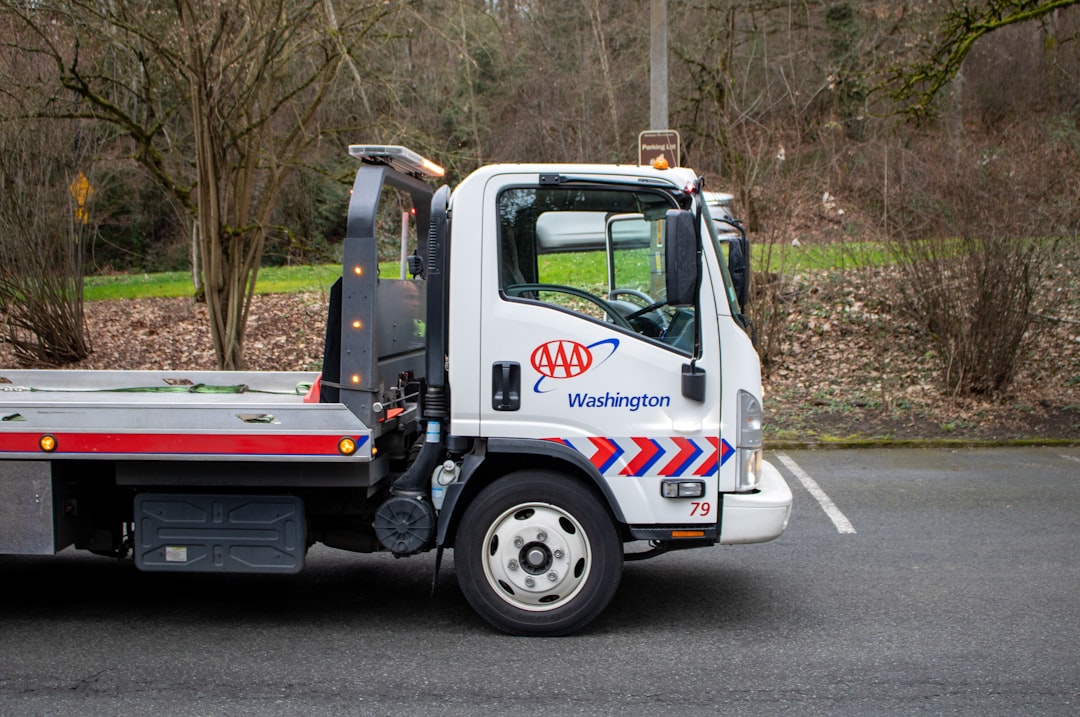
When it comes to long-distance towing in Oklahoma, understanding the legal requirements is crucial for a smooth and compliant journey. The state has specific regulations that govern towing practices, which are designed to ensure safety on the roads. For instance, operators must possess a valid driver’s license appropriate for the weight of the vehicle being towed. If you are towing a trailer or a larger vehicle, you may need a commercial driver’s license (CDL) depending on the total weight of the combined vehicles. It’s essential to check the weight limits and licensing requirements to avoid any legal complications during your trip.
Additionally, Oklahoma law mandates that all towed vehicles must be properly registered and insured. This means that before embarking on your journey, you should verify that all necessary documentation is in order. Failure to comply with these regulations can lead to fines or even impoundment of your vehicle. Furthermore, it’s advisable to familiarize yourself with local ordinances that may affect towing practices in specific areas, as these can vary from one municipality to another. Being well-informed about these legalities not only helps you stay compliant but also contributes to a safer towing experience.
When preparing for long-distance towing or vehicle transport in Oklahoma, it’s essential to understand the various factors that can impact your experience. For additional insights and tips on ensuring a smooth transport process, you can refer to a related article that discusses accessibility considerations during vehicle transport. This resource provides valuable information on how to navigate potential challenges and ensure your vehicle is handled with care. For more details, visit this article on accessibility in vehicle transport.
Key Takeaways
- Long-distance towing in Oklahoma requires a valid driver’s license and compliance with state towing regulations.
- The right towing vehicle and equipment should be chosen based on the weight and size of the items being towed.
- Items being towed should be properly secured and loaded to prevent shifting during the journey.
- Planning the route should include consideration of potential obstacles or challenges such as steep inclines or narrow roads.
- Safety and comfort of passengers and pets should be ensured with proper seating and accommodations during the journey.
Choosing the right towing vehicle and equipment for the journey
Selecting the appropriate towing vehicle and equipment is a critical step in ensuring a successful long-distance towing experience. The type of vehicle you choose will depend on several factors, including the weight of the load, the distance of the journey, and the terrain you will be traversing. For lighter loads, a standard pickup truck may suffice, but for heavier items, such as large trailers or equipment, a heavy-duty truck equipped with a tow hitch is necessary. It’s important to consult your vehicle’s owner manual for its towing capacity to avoid overloading.
In addition to the towing vehicle, the equipment used plays a significant role in the safety and efficiency of your towing operation. Flatbed trailers are ideal for transporting vehicles as they provide a stable platform and minimize the risk of swaying during transit. Wheel-lift tow trucks are another option for lighter loads, allowing for easy loading and unloading. Ensure that all equipment is in good working condition before departure; this includes checking brakes, lights, and safety chains. Investing in quality towing equipment not only enhances safety but also contributes to a more efficient towing process.
Properly securing and loading the items being towed
Properly securing and loading the items being towed is paramount for ensuring safety on the road. Before hitting the road, take the time to inspect your load and make sure it is balanced and securely fastened. Uneven weight distribution can lead to swaying or even loss of control while driving. Use appropriate tie-downs, such as ratchet straps or chains, to secure your load firmly in place. It’s advisable to use multiple tie-down points to distribute tension evenly across the load.
In addition to securing the load, it’s essential to consider how items are loaded onto the towing vehicle or trailer. For instance, when loading vehicles onto a flatbed trailer, ensure that they are centered and that their weight is evenly distributed across the axles. If you are transporting equipment or machinery, make sure that they are stable and won’t shift during transit. Taking these precautions not only protects your cargo but also enhances safety for other road users.
Planning the route and considering potential obstacles or challenges
Planning your route ahead of time is an essential aspect of long-distance towing that should not be overlooked. A well-thought-out route can help you avoid potential obstacles and challenges that may arise during your journey. Start by mapping out your primary route using reliable navigation tools or apps that provide real-time traffic updates. Consider factors such as road conditions, construction zones, and any weight restrictions on certain roads that may affect your towing vehicle.
In addition to planning your primary route, it’s wise to identify alternative routes in case of unexpected detours or road closures. Be aware of any low bridges or narrow roads that may pose challenges for larger towing vehicles. Furthermore, consider rest stops along your route where you can take breaks and check on your load. Planning ahead not only makes for a smoother journey but also helps you stay calm and focused while driving.
When preparing for long-distance towing or vehicle transport in Oklahoma, it’s essential to understand the legal aspects involved in the process. A related article that provides valuable insights on this topic can be found Additionally, pack plenty of water and snacks to keep everyone hydrated and energized throughout the trip. By prioritizing comfort and safety for all passengers, you create a more enjoyable towing experience. When preparing for long-distance towing or vehicle transport in Oklahoma, it’s essential to consider various factors to ensure a smooth experience. A related article that offers valuable insights on this topic can be found here. This resource provides tips on selecting the right towing service, understanding the costs involved, and ensuring your vehicle is ready for transport, making it a great complement to your preparations. No matter how well you plan, emergencies can happen on the road, making it essential to be prepared for unexpected situations. Before starting your journey, equip your towing vehicle with an emergency kit that includes items such as flares, a first-aid kit, flashlight, extra batteries, and basic tools for minor repairs. Having these supplies readily available can make a significant difference in how you handle emergencies. In addition to having an emergency kit, it’s wise to familiarize yourself with roadside assistance options available in Oklahoma. Knowing who to call in case of a breakdown can save valuable time and reduce stress during an already challenging situation. If you find yourself in need of assistance, Arrow Wrecker Service is available 24/7 for towing and recovery needs throughout Oklahoma City and beyond. Being prepared for emergencies not only enhances your safety but also provides peace of mind during your journey. Maintaining your towing vehicle is crucial for ensuring its performance throughout your long-distance journey. Before hitting the road, check fluid levels such as oil, coolant, and transmission fluid to ensure everything is at optimal levels. Regular maintenance checks can help prevent breakdowns caused by mechanical issues during transit. When it comes to fueling your vehicle, consider filling up at stations that are easily accessible for larger vehicles or trailers. Some gas stations may have limited space or low clearance that could pose challenges when maneuvering a towing vehicle. Additionally, keep an eye on fuel consumption; towing can significantly impact gas mileage, so plan accordingly by refueling when necessary. By following best practices for maintenance and fueling, you can help ensure a smoother journey. Understanding Oklahoma’s specific road and weather conditions is vital when planning a long-distance towing trip within the state. Oklahoma experiences diverse weather patterns throughout the year, including heavy rains in spring and potential snow or ice during winter months. Familiarizing yourself with seasonal weather forecasts can help you prepare adequately for any conditions you may encounter. Moreover, Oklahoma’s roadways can vary significantly from urban areas like Oklahoma City to rural regions where roads may be less maintained. Be aware of potential hazards such as potholes or gravel roads that could affect your towing experience. Additionally, consider checking local traffic reports for any construction projects or detours that may impact your route. By being informed about road conditions and weather patterns, you can make better decisions while towing. In conclusion, long-distance towing in Oklahoma requires careful planning and consideration of various factors ranging from legal requirements to safety measures for passengers and pets. By understanding these aspects thoroughly, you can ensure a safer and more efficient journey. If you’re in need of professional assistance with towing or recovery services in Oklahoma City, don’t hesitate to call Arrow Wrecker Service at (405) 943-1800. Our team is available 24/7 to assist you with all your towing needs from our location at 700 N. Villa Ave, Oklahoma City, OK 73107. In Oklahoma, any vehicle being towed for a distance of more than 50 miles must have a permit from the Oklahoma Corporation Commission. Additionally, the towing company must have the appropriate insurance coverage and comply with all state and federal regulations. Before towing a vehicle long-distance, it is important to ensure that the tires, brakes, and lights are all in good working condition. Additionally, securing loose items inside the vehicle and properly attaching the towing equipment are crucial for safe transport. In Oklahoma, there are several options for long-distance vehicle transport, including hiring a professional towing company, using a car shipping service, or renting a trailer to tow the vehicle yourself. Each option has its own advantages and considerations. When selecting a long-distance towing or vehicle transport service in Oklahoma, it is important to consider the company’s reputation, experience, insurance coverage, and pricing. Additionally, verifying the company’s compliance with state and federal regulations is essential. Oklahoma has specific regulations and restrictions for towing oversized or specialty vehicles, such as trailers, RVs, and commercial vehicles. It is important to be aware of these regulations and ensure compliance when transporting such vehicles long-distance. Preparing for emergency situations and breakdowns on the road
Knowing the best practices for fueling and maintaining the towing vehicle
Familiarizing oneself with Oklahoma’s specific road and weather conditions for long-distance towing
FAQs
1. What are the legal requirements for long-distance towing or vehicle transport in Oklahoma?
2. What are the recommended safety measures for preparing a vehicle for long-distance towing?
3. What are the different options for long-distance vehicle transport in Oklahoma?
4. What factors should be considered when choosing a long-distance towing or vehicle transport service in Oklahoma?
5. Are there any specific regulations or restrictions for towing oversized or specialty vehicles in Oklahoma?