Winter driving in Oklahoma presents distinct challenges that can surprise even experienced drivers. Although the state does not typically experience severe winter weather, it does encounter icy roads, snow, and freezing temperatures regularly. These conditions create hazardous driving situations, particularly for drivers unfamiliar with winter weather navigation.
Understanding the risks associated with winter driving is essential for protecting yourself and other road users. Black ice represents a primary hazard during winter months. This ice forms unexpectedly on roadways, especially during early morning and late evening hours.
The thin ice layer is often invisible to drivers, making it particularly dangerous. Snow accumulation also reduces visibility and traction, which increases accident risk. Even minimal snow coverage can substantially affect driving conditions, so awareness of these risks enables better preparation for winter travel.
Key Takeaways
- Winter driving in Oklahoma poses unique risks that require careful preparation and awareness.
- Proper vehicle maintenance and equipping your car with winter essentials are crucial for safe travel.
- If you slide off the road, immediate steps include staying calm, assessing safety, and avoiding unnecessary movement.
- Contact emergency services promptly and inform others of your situation to ensure timely assistance.
- Use safety equipment, stay warm while waiting for help, and learn from the experience to improve future winter driving safety.
Preparing Your Vehicle for Winter Driving Conditions
Preparation is key when it comes to winter driving. Ensuring that your vehicle is equipped to handle the challenges posed by winter weather can make a significant difference in your safety and comfort on the road. Start by checking your tires; they should have adequate tread depth and be properly inflated.
Consider switching to winter tires if you frequently drive in snowy or icy conditions, as they provide better traction and handling. In addition to tires, it’s important to inspect your vehicle’s battery, brakes, and wiper blades. Cold temperatures can affect battery performance, so ensure that your battery is in good condition and fully charged.
Worn-out brakes can compromise your ability to stop safely on slick roads, while effective wiper blades are essential for maintaining visibility during winter storms. Don’t forget to top off your windshield washer fluid with a winter formula that won’t freeze.
What to Do If You Slide Off the Road: Steps to Take Immediately
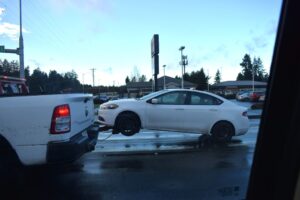
If you find yourself sliding off the road during winter driving, it’s important to remain calm and take immediate action to ensure your safety. First and foremost, avoid slamming on the brakes, as this can cause your vehicle to skid further. Instead, gently steer in the direction you want to go, allowing your vehicle to regain traction.
If you are unable to steer back onto the road, come to a gradual stop. Once your vehicle has come to a stop, assess your situation. If you are in a safe location away from traffic, stay inside your vehicle with your seatbelt fastened.
This is especially important if you are on a busy road or highway where other vehicles may be passing by. If you are in a precarious position or feel unsafe, consider turning on your hazard lights to alert other drivers of your situation.
Assessing Your Surroundings and Ensuring Safety
After sliding off the road, take a moment to assess your surroundings before making any decisions about what to do next. Look for any potential hazards nearby, such as oncoming traffic or steep embankments. If you are on a busy road, it may be safer to remain in your vehicle until help arrives rather than attempting to walk to safety.
If you determine that it is safe to exit your vehicle, do so cautiously and be aware of your footing. Icy surfaces can be treacherous, so take small steps and avoid sudden movements that could lead to slips or falls. If you have passengers in your vehicle, ensure they are also safe before taking any further action.
Contacting Emergency Services and Notifying Others of Your Situation
| Metric | Details |
|---|---|
| Average Winter Temperature | 30°F to 45°F (−1°C to 7°C) |
| Common Winter Road Hazards | Ice patches, snow accumulation, black ice |
| Recommended Tire Type | All-season or winter tires with good tread |
| Safe Following Distance | Increase to at least 6 seconds |
| Steps If You Slide Off Road |
|
| Emergency Kit Recommendations | Blanket, flashlight, food, water, shovel, sand or kitty litter |
| Average Number of Winter Road Incidents in Oklahoma | Approximately 1,200 per winter season |
Once you have assessed your surroundings and ensured your immediate safety, it’s time to contact emergency services if necessary. If you are in a location where you feel unsafe or if you have sustained injuries, call 911 for assistance. Provide them with your location and a brief description of the situation so they can dispatch help promptly.
In addition to contacting emergency services, it’s a good idea to notify someone close to you about your situation. This could be a family member or friend who can keep track of your whereabouts and provide support if needed. Sharing your location and circumstances can also help others understand when they might need to check in on you or offer assistance.
Using Safety Equipment and Supplies in Your Vehicle
Having the right safety equipment and supplies in your vehicle can make a significant difference during winter emergencies. A well-stocked emergency kit should include items such as blankets, non-perishable snacks, water, a flashlight with extra batteries, and a first aid kit. These supplies can help keep you comfortable and safe while waiting for assistance.
Additionally, consider carrying items like a shovel, ice scraper, and jumper cables in your vehicle. A shovel can be invaluable if you need to dig out your vehicle from snow or ice, while an ice scraper will help maintain visibility through your windshield. Jumper cables are essential for jump-starting a dead battery, which can be particularly common during cold weather.
Waiting for Help and Keeping Warm in Your Vehicle
While waiting for help after sliding off the road, it’s important to keep warm and conserve fuel if you are running your engine for heat. If conditions allow, crack open a window slightly for ventilation while keeping the engine running. This will help prevent carbon monoxide buildup inside the vehicle while still providing warmth.
If you have extra blankets or clothing in your emergency kit, use them to stay warm while you wait for assistance. It’s also wise to periodically check outside for any signs of help approaching but do so cautiously to avoid slipping on icy surfaces.
Learning from the Experience and Taking Preventative Measures for Future Winter Driving
After experiencing a winter driving incident, take some time to reflect on what happened and how you can prevent similar situations in the future. Consider whether there were any warning signs that could have prompted you to adjust your driving behavior or prepare more thoroughly before hitting the road. Taking preventative measures is key to safer winter driving experiences moving forward.
This may include enrolling in a defensive driving course focused on winter conditions or regularly checking weather forecasts before embarking on trips during colder months. By learning from past experiences and being proactive about preparation, you can enhance your safety and confidence when driving in Oklahoma’s winter weather. In conclusion, winter driving in Oklahoma requires awareness of risks and proper preparation for potential challenges.
By understanding how to respond if you slide off the road and ensuring that you have the necessary supplies and equipment in your vehicle, you can navigate these conditions more safely. Remember that staying calm and prioritizing safety is paramount during any winter driving situation. If you find yourself needing assistance on the road this winter season or at any time of year, don’t hesitate to reach out for help.
Call Arrow Wrecker Service at (405) 943-1800 and mention 700 N. Villa Ave, Oklahoma City, OK 73107 for reliable towing and recovery services available 24/7 throughout Oklahoma.
For those navigating the challenges of winter driving in Oklahoma, it’s essential to be prepared for unexpected situations, such as sliding off the road. In addition to understanding what to do in such scenarios, you may also find it helpful to read about the process of retrieving your vehicle if it gets impounded. For more information on this topic, check out the article on what to do if your car is impounded by visiting this link.
FAQs
What should I do immediately if my vehicle slides off the road in Oklahoma during winter?
If your vehicle slides off the road, stay calm and avoid sudden movements. Keep your seatbelt fastened, assess your surroundings for safety, and if possible, try to gently steer back onto the road. If you cannot safely return to the road, remain in your vehicle and call for assistance.
How can I prevent sliding off the road while driving in Oklahoma winter conditions?
To prevent sliding, reduce your speed, increase following distance, and avoid sudden braking or sharp turns. Use winter tires or chains if necessary, and ensure your vehicle is well-maintained with proper tire tread and functioning brakes.
Is it safe to try to drive out if my car is stuck in snow or ice off the road?
It depends on the situation. If the vehicle is lightly stuck, gently rocking the car back and forth may help. However, avoid spinning your tires aggressively as it can dig you in deeper. If unsure or conditions are hazardous, it is safer to wait for professional help.
What emergency supplies should I keep in my car during Oklahoma winters?
Keep a winter emergency kit including items such as a blanket, warm clothing, flashlight, extra batteries, non-perishable snacks, water, a shovel, ice scraper, sand or kitty litter for traction, jumper cables, and a fully charged cell phone.
When should I call for roadside assistance after sliding off the road?
Call for assistance if you cannot safely return to the road, if your vehicle is damaged, or if you are in a dangerous location. Also, seek help if you or passengers are injured or if weather conditions worsen.
Are there specific Oklahoma winter driving laws I should be aware of?
Oklahoma requires drivers to use due care during hazardous conditions. While there are no specific laws about sliding off the road, drivers are responsible for maintaining control of their vehicles and driving safely according to conditions.
How can I improve my vehicle’s traction on icy or snowy Oklahoma roads?
Use winter tires designed for snow and ice, maintain proper tire pressure, and consider using tire chains where permitted. Additionally, drive smoothly and avoid sudden acceleration or braking to maintain traction.
What is the best way to regain control if my vehicle starts to skid on ice?
If your vehicle skids, steer gently in the direction you want to go and avoid slamming on the brakes. Take your foot off the accelerator and allow the vehicle to slow down gradually until you regain control.