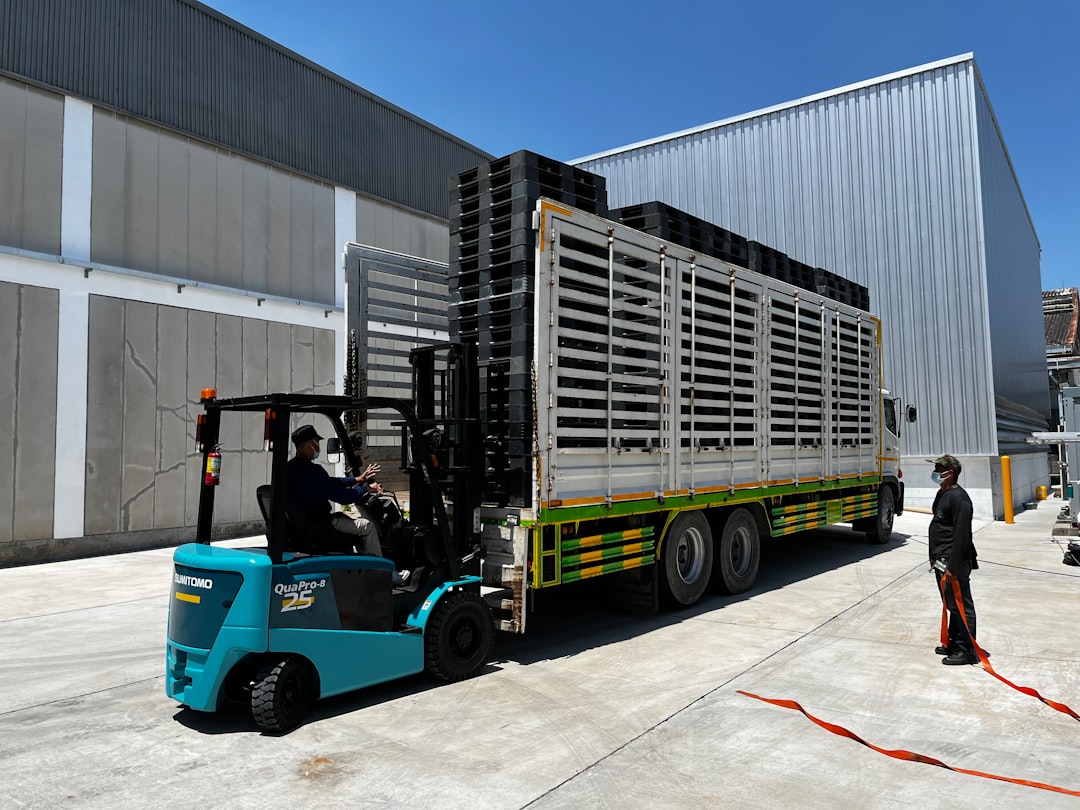
Load transfer is a fundamental concept in vehicle dynamics that refers to the redistribution of weight across a vehicle’s axles during various driving conditions. When a vehicle accelerates, brakes, or turns, the forces acting on it cause the weight to shift from one part of the vehicle to another. This phenomenon is crucial for understanding how vehicles behave under different circumstances, particularly in emergency situations. For instance, during hard braking, the weight shifts forward, increasing the load on the front tires while reducing it on the rear tires. This shift can significantly affect traction and stability.
Understanding load transfer is essential for both drivers and those involved in vehicle safety and accident reconstruction. It helps in predicting how a vehicle will respond to different maneuvers and conditions. For example, a vehicle with a high center of gravity may experience more pronounced load transfer than one with a lower center of gravity, making it more susceptible to tipping over during sharp turns. By grasping the basics of load transfer, drivers can make more informed decisions on the road, enhancing their safety and that of others.
In understanding the concept of “load transfer” and its implications following an accident, it’s beneficial to explore related topics that delve deeper into the mechanics of vehicle dynamics. For instance, an insightful article on the terminology and definitions related to vehicle accidents can be found at Arrow Wrecker’s Terms. This resource provides a comprehensive overview of various terms used in the context of accidents, which can enhance your understanding of how load transfer affects vehicle stability and safety during collisions.
Key Takeaways
- Load transfer is the redistribution of weight on a vehicle during acceleration, braking, and cornering.
- Load transfer affects vehicle dynamics by influencing traction, handling, and stability.
- Different types of accidents, such as rollovers and collisions, result in varying patterns of load transfer.
- Factors like vehicle design, speed, road conditions, and driver behavior can influence load transfer.
- Load transfer analysis is crucial in accident reconstruction to understand the dynamics of the event and its impact on occupant safety.
How Load Transfer Affects Vehicle Dynamics
The dynamics of a vehicle are heavily influenced by load transfer, which can alter handling characteristics and overall performance. When a vehicle turns, the centrifugal force acts outward, causing weight to shift toward the outside wheels. This shift can lead to increased tire wear on those wheels and may affect steering response. If the load transfer is excessive, it can result in loss of control, particularly in high-speed scenarios or when navigating sharp curves.
Moreover, load transfer plays a critical role in braking performance. During braking, the weight shifts forward, which can enhance grip on the front tires but may lead to reduced traction on the rear tires. This imbalance can cause oversteering or understeering, depending on the vehicle’s design and load distribution. Understanding these dynamics is vital for drivers, as it allows them to anticipate how their vehicle will respond in various situations and adjust their driving accordingly.
Understanding Load Transfer in Different Types of Accidents
Load transfer becomes particularly significant in the context of vehicle accidents. Different types of collisions can result in varying degrees of load transfer, which can influence the severity of the crash and the resulting damage. For instance, in a frontal collision, the load transfer is predominantly forward, which can lead to increased deceleration forces on occupants and potentially more severe injuries.
Conversely, in side-impact collisions, load transfer may shift laterally, affecting how the vehicle crumples and how forces are distributed across its structure.
In rollover accidents, load transfer is critical in understanding why certain vehicles are more prone to tipping over than others. Vehicles with higher centers of gravity experience greater load shifts during sharp turns or sudden maneuvers, increasing their risk of rolling over. Analyzing load transfer in these scenarios helps accident reconstruction experts determine the dynamics at play during a crash and assess factors such as speed, angle of impact, and vehicle design.
Factors that Influence Load Transfer
Several factors influence load transfer in vehicles, including speed, road conditions, vehicle design, and driver behavior. Speed is a significant factor; as a vehicle accelerates or decelerates rapidly, the forces acting on it become more pronounced, leading to greater load shifts. Road conditions also play a crucial role; wet or uneven surfaces can exacerbate load transfer effects, impacting traction and stability.
Vehicle design features such as suspension systems and weight distribution are also critical in determining how load transfer occurs. Vehicles with well-designed suspension systems can better manage load shifts, maintaining stability and control even under challenging conditions. Additionally, driver behavior—such as aggressive cornering or sudden braking—can significantly impact load transfer dynamics. Understanding these factors is essential for both drivers and engineers working to improve vehicle safety.
Understanding the concept of load transfer is crucial for comprehending vehicle dynamics during an accident, and it often raises questions about vehicle safety and insurance claims. For those interested in exploring how vehicle authorization plays a role in accident scenarios, you can read more in this informative article about vehicle authorization. This connection highlights the importance of proper vehicle management and the implications it has on liability and recovery after an incident.
The Importance of Load Transfer Analysis in Accident Reconstruction
| Load Transfer | Explanation |
|---|---|
| Definition | Load transfer refers to the redistribution of forces within a vehicle during an accident or sudden maneuver. |
| Causes | Load transfer occurs due to the inertia of the vehicle and the sudden change in velocity during a collision or evasive maneuver. |
| Effects | Load transfer can result in changes to the vehicle’s weight distribution, affecting its stability and handling characteristics. |
| Importance | Understanding load transfer is crucial for vehicle design, crashworthiness, and accident reconstruction. |
Load transfer analysis is an invaluable tool in accident reconstruction, providing insights into how vehicles behave during collisions. By examining load transfer patterns, experts can reconstruct the sequence of events leading up to an accident and assess contributing factors such as speed and maneuvering. This analysis helps determine liability and can be crucial in legal proceedings following an accident.
Furthermore, understanding load transfer allows for better safety recommendations and vehicle design improvements. By identifying how different vehicles respond to load shifts during accidents, manufacturers can develop safer designs that minimize risks associated with load transfer. This knowledge ultimately contributes to enhancing overall road safety for all users.
Techniques for Measuring Load Transfer
Measuring load transfer involves various techniques that can provide valuable data for understanding vehicle dynamics. One common method is using accelerometers placed at different points on a vehicle to measure acceleration forces during maneuvers.
This data can help quantify how much weight shifts occur under specific conditions.
Another technique involves using computer simulations to model load transfer scenarios based on vehicle specifications and driving conditions. These simulations allow engineers to predict how different designs will perform under various circumstances without needing physical testing. Additionally, real-world testing with instrumented vehicles can provide empirical data on load transfer during actual driving conditions, further enhancing our understanding of this critical aspect of vehicle dynamics.
Load Transfer and Vehicle Stability
Vehicle stability is closely tied to load transfer dynamics. When weight shifts occur too dramatically or unexpectedly, they can compromise a vehicle’s stability, leading to loss of control or accidents. For instance, during sharp turns or sudden stops, excessive load transfer can cause a vehicle to skid or tip over if it exceeds its stability limits.
To enhance stability, manufacturers often design vehicles with features that mitigate adverse effects of load transfer. These may include advanced suspension systems that adapt to changing loads or electronic stability control systems that help maintain traction during critical maneuvers. Understanding how load transfer affects stability is essential for both drivers and engineers working to improve vehicle safety.
Load Transfer and Its Impact on Occupant Safety
The impact of load transfer on occupant safety cannot be overstated. During an accident, the forces generated by load shifts can lead to severe injuries for occupants if not properly managed by the vehicle’s design and safety features. For example, in a frontal collision where significant load transfer occurs forward, occupants may experience increased deceleration forces that could result in serious injuries.
To enhance occupant safety, modern vehicles are equipped with various safety features designed to mitigate the effects of load transfer during accidents. Crumple zones are engineered to absorb energy from impacts, while seatbelts and airbags help protect occupants from injury by managing forces during collisions. Understanding how load transfer interacts with these safety features is crucial for improving overall occupant protection in vehicles.
In conclusion, load transfer is a vital aspect of vehicle dynamics that influences handling, stability, and occupant safety during various driving conditions and accidents. By understanding the basics of load transfer and its implications for vehicle performance and safety, drivers can make more informed decisions on the road. Additionally, engineers and accident reconstruction experts can utilize this knowledge to enhance vehicle designs and improve safety measures for all road users.
For any towing or recovery needs related to accidents or vehicle issues in Oklahoma City, Arrow Wrecker Service is here to help 24/7. Call (405) 943-1800 and mention 700 N. Villa Ave, Oklahoma City, OK 73107 for professional assistance when you need it most.
FAQs
What is load transfer in the context of a car accident?
Load transfer refers to the redistribution of weight and forces on a vehicle during a sudden change in motion, such as during a collision or emergency maneuver. This can cause the vehicle’s weight to shift from one side to another, or from front to back, impacting the vehicle’s stability and handling.
Why does load transfer occur after an accident?
Load transfer occurs after an accident due to the sudden change in motion and impact forces on the vehicle. When a vehicle is involved in a collision, the forces generated can cause the weight of the vehicle to shift, leading to load transfer.
How does load transfer affect vehicle stability and handling?
Load transfer can affect vehicle stability and handling by impacting the distribution of weight on the vehicle’s tires. This can lead to changes in traction, steering response, and overall stability, potentially affecting the driver’s ability to control the vehicle.
What are the potential consequences of load transfer after an accident?
The potential consequences of load transfer after an accident include loss of control, skidding, rollovers, and other handling issues. These can increase the risk of further collisions and injuries to occupants and other road users.
How can load transfer be managed or mitigated after an accident?
Load transfer can be managed or mitigated after an accident through proper vehicle maintenance, including ensuring that the vehicle’s suspension, tires, and other components are in good condition. Additionally, safe driving practices and defensive driving techniques can help minimize the impact of load transfer during emergency situations.