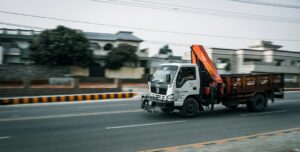
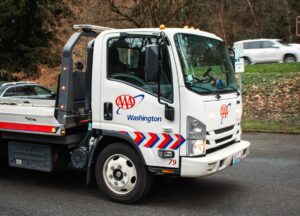
Heavy-duty towing is a specialized service that caters to larger vehicles and equipment that standard towing services cannot handle. This includes commercial trucks, buses, construction equipment, and other heavy machinery. The need for heavy-duty towing often arises in situations where these vehicles experience breakdowns, accidents, or require relocation due to various circumstances. In Oklahoma City, where the economy is bolstered by industries such as construction and transportation, the demand for reliable heavy-duty towing services is significant.
When a heavy vehicle encounters trouble on the road, it can pose a serious risk not only to the driver but also to other motorists. Heavy-duty towing services are equipped with the necessary tools and expertise to safely recover and transport these large vehicles. This ensures that the situation is handled efficiently and minimizes the potential for further accidents or damage. Understanding the need for heavy-duty towing is crucial for vehicle operators and fleet managers alike, as it can help them make informed decisions when faced with unexpected challenges on the road.
When considering what makes a towing company “heavy-duty capable,” it’s essential to look for specific indicators that demonstrate their expertise and equipment quality. For further insights on this topic, you can refer to a related article that outlines the key signs to look for in a reliable towing service. This article provides valuable information on the necessary certifications, equipment, and experience that a heavy-duty towing company should possess. To read more, visit this link.
Key Takeaways
- Heavy-duty towing is necessary for vehicles that are overloaded or experiencing mechanical stress.
- Signs of vehicle overload include sagging suspension, difficulty steering, and decreased braking ability.
- Proper equipment, such as heavy-duty towing straps and winches, is essential for safe and effective towing.
- The towing vehicle should be in good condition, with properly inflated tires and functioning brakes.
- Load distribution and balance are crucial for safe towing and can be affected by factors such as weight distribution and road conditions.
- Environmental factors, such as weather and road conditions, can impact the safety and effectiveness of heavy-duty towing.
- Signs of mechanical stress, such as strange noises or vibrations, indicate the need for professional assistance.
- Professional assistance should be sought when experiencing vehicle overload, mechanical stress, or unsafe towing conditions.
Identifying Signs of Vehicle Overload
Recognizing the signs of vehicle overload is essential for maintaining safety and efficiency on the road.
Overloading occurs when a vehicle carries more weight than it is designed to handle, which can lead to mechanical failures, reduced performance, and increased risk of accidents.
Common indicators of vehicle overload include difficulty in steering, excessive tire wear, and unusual braking behavior. If a driver notices any of these signs, it is crucial to assess the situation promptly.
In addition to physical symptoms, drivers should also be aware of the legal weight limits imposed by state regulations. Each vehicle type has specific weight restrictions that must be adhered to in order to ensure safe operation. Ignoring these limits can result in fines and penalties, as well as increased wear and tear on the vehicle. By being vigilant about the signs of overload, drivers can take proactive measures to prevent potential issues before they escalate into more serious problems.
Recognizing the Importance of Proper Equipment
The importance of using proper equipment for heavy-duty towing cannot be overstated. Heavy-duty tow trucks are specifically designed to handle the unique challenges posed by larger vehicles and equipment. These trucks are equipped with powerful winches, reinforced frames, and specialized towing apparatuses that allow them to safely recover and transport heavy loads. Using inadequate equipment can lead to accidents, damage to both the towing vehicle and the one being towed, and even injury to personnel involved in the operation.
In addition to the right towing equipment, it is also essential for operators to be trained in its use. Proper training ensures that tow truck operators understand how to safely secure loads, operate winches, and navigate challenging recovery scenarios. This expertise not only enhances safety but also improves efficiency during towing operations. When selecting a towing service, it is important to inquire about their equipment and the qualifications of their operators to ensure that you are receiving the best possible service.
Evaluating the Condition of the Towing Vehicle
Before embarking on any towing operation, it is vital to evaluate the condition of the towing vehicle itself. A thorough inspection should include checking fluid levels, tire pressure, brakes, and overall mechanical integrity. Any signs of wear or damage should be addressed before attempting to tow a heavy load. A well-maintained towing vehicle is essential for ensuring safe and effective operations.
Additionally, operators should consider the weight capacity of their towing vehicle. Each truck has a specific maximum towing capacity that should not be exceeded. Overloading a towing vehicle can lead to mechanical failures and increase the risk of accidents on the road. By regularly evaluating the condition of their towing vehicles, operators can ensure that they are always prepared for any heavy-duty towing needs that may arise.
When considering the capabilities of a towing company, it’s essential to understand what makes them “heavy-duty capable.” A related article that delves deeper into this topic can provide valuable insights. For instance, you might find useful information in the article about the importance of proper equipment and trained personnel in ensuring safe and efficient towing services. To explore more about the legal aspects and privacy policies that might affect your choices, you can check out this privacy policy. This understanding can help you make an informed decision when selecting a towing service that meets your heavy-duty needs.
Assessing the Load Distribution and Balance
| Key Signs | Description |
|---|---|
| Specialized Equipment | The towing company should have specialized heavy-duty towing equipment such as flatbed trucks, rotators, and heavy-duty wreckers. |
| Experience and Training | Look for a towing company with experienced operators who have received specialized training in heavy-duty towing and recovery techniques. |
| Proper Licensing and Insurance | Ensure that the towing company holds the necessary licenses and insurance coverage for heavy-duty towing operations. |
| 24/7 Availability | A reliable heavy-duty towing company should offer 24/7 emergency towing services to handle any situation. |
| Positive Reputation | Check for customer reviews and testimonials to gauge the towing company’s reputation for handling heavy-duty towing jobs. |
Proper load distribution and balance are critical factors in safe towing operations. An unevenly distributed load can lead to instability while driving, making it difficult for the operator to maintain control of both the towing vehicle and the load being transported. It is essential to ensure that weight is evenly distributed across both axles of the towing vehicle and that the load is secured properly.
When assessing load distribution, operators should also consider the height of the load being transported. A higher center of gravity can increase the risk of tipping or swaying during transit. To mitigate these risks, operators should use appropriate securing methods such as chains or straps to keep the load stable throughout the journey. By taking the time to assess load distribution and balance, operators can significantly reduce the likelihood of accidents or damage during towing operations.
Understanding the Impact of Environmental Factors
Environmental factors play a significant role in heavy-duty towing operations. Weather conditions such as rain, snow, or ice can create hazardous driving situations that require extra caution. Wet or icy roads can reduce traction and increase stopping distances, making it essential for operators to adjust their driving techniques accordingly. Additionally, strong winds can affect the stability of both the towing vehicle and the load being transported.
Operators should also be aware of road conditions such as construction zones or uneven surfaces that may pose challenges during towing operations. It is important to plan routes carefully and take into account any potential obstacles that may arise along the way. By understanding how environmental factors impact towing operations, drivers can make informed decisions that prioritize safety and efficiency.
Recognizing Signs of Mechanical Stress
Mechanical stress can occur during heavy-duty towing operations due to various factors such as excessive weight, improper load distribution, or poor road conditions. Recognizing signs of mechanical stress is crucial for preventing damage to both the towing vehicle and the load being transported. Common indicators include unusual noises from the engine or transmission, difficulty in steering or braking, and visible wear on tires or suspension components.
If any signs of mechanical stress are observed during a towing operation, it is essential to address them immediately. Continuing to operate a vehicle under stress can lead to catastrophic failures that may result in accidents or injuries. Regular maintenance checks and inspections can help identify potential issues before they escalate into more serious problems. By staying vigilant about mechanical stress, operators can ensure safer towing operations.
Knowing When to Seek Professional Assistance
There are times when seeking professional assistance is necessary for safe heavy-duty towing operations. If a driver encounters a situation beyond their expertise or capabilities—such as a complex recovery scenario or an overloaded vehicle—it is crucial to call in professionals who specialize in heavy-duty towing services. These experts have the training, experience, and equipment needed to handle challenging situations safely.
Additionally, if there are any doubts about the condition of a vehicle or its ability to be safely towed, it is always better to err on the side of caution and seek professional help. Attempting to tow a vehicle without proper knowledge or equipment can lead to accidents or further damage. By knowing when to seek assistance from professionals like Arrow Wrecker Service in Oklahoma City, drivers can ensure that they are making safe choices on the road.
In conclusion, heavy-duty towing requires careful consideration of various factors including vehicle overload signs, proper equipment usage, load distribution, environmental impacts, mechanical stress recognition, and knowing when professional help is needed. By prioritizing safety and being proactive in addressing potential issues, drivers can navigate heavy-duty towing situations with confidence.
If you find yourself in need of professional heavy-duty towing services in Oklahoma City, don’t hesitate to call Arrow Wrecker Service at (405) 943-1800. Our team is available 24/7 at 700 N. Villa Ave, Oklahoma City, OK 73107 to assist you with all your towing needs.
FAQs
What is a heavy-duty towing company?
A heavy-duty towing company is equipped to handle larger and heavier vehicles, such as tractor-trailers, buses, and RVs. These companies have specialized equipment and trained personnel to safely and effectively tow these vehicles.
What are the key signs of a heavy-duty capable towing company?
Key signs of a heavy-duty capable towing company include having specialized heavy-duty tow trucks, experienced operators trained in heavy-duty towing techniques, proper licensing and insurance for heavy-duty towing, and a track record of successfully towing heavy vehicles.
What specialized equipment should a heavy-duty towing company have?
A heavy-duty towing company should have specialized equipment such as heavy-duty tow trucks with high weight capacities, air cushions for uprighting overturned vehicles, winches and rigging for recovery operations, and specialized attachments for towing large vehicles.
What training and certifications should the operators of a heavy-duty towing company have?
Operators of a heavy-duty towing company should have training and certifications in heavy-duty towing techniques, as well as knowledge of safety protocols and regulations for towing larger vehicles. They should also be trained in using specialized equipment for heavy-duty towing operations.
Why is it important to choose a heavy-duty capable towing company for larger vehicles?
Choosing a heavy-duty capable towing company for larger vehicles is important because they have the expertise, equipment, and experience to safely and effectively handle the unique challenges of towing heavy vehicles. This helps to minimize the risk of damage to the vehicle and ensures the safety of everyone involved in the towing operation.