When it comes to towing services, vehicle owners should understand the key differences between heavy-duty towing and standard towing. Standard towing handles lighter vehicles, including cars, SUVs, and small trucks. Heavy-duty towing is specifically designed for larger and more complex vehicles, such as buses, tractor-trailers, and construction equipment.
These distinctions exist because of the significant variations in vehicle size, weight, and the unique challenges involved in towing each category. Heavy-duty towing requires more than simply moving a larger vehicle. It demands specialized equipment and trained personnel with specific expertise.
The risks associated with heavy-duty towing are substantial, as improper handling can result in accidents or additional damage to the vehicle. Selecting the appropriate towing service—whether standard or heavy-duty—is essential for saving time and money while maintaining safety on the road.
Key Takeaways
- Heavy-duty towing differs significantly from standard towing in equipment and techniques used.
- Vehicle size and weight are critical factors influencing towing methods and safety.
- Specialized training and certification are essential for operators handling heavy-duty towing.
- Costs and insurance requirements vary between heavy-duty and standard towing services.
- Selecting the appropriate towing service depends on vehicle type, emergency needs, and service expertise.
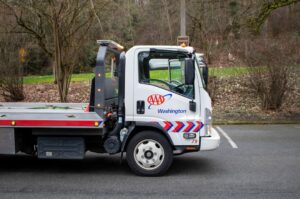
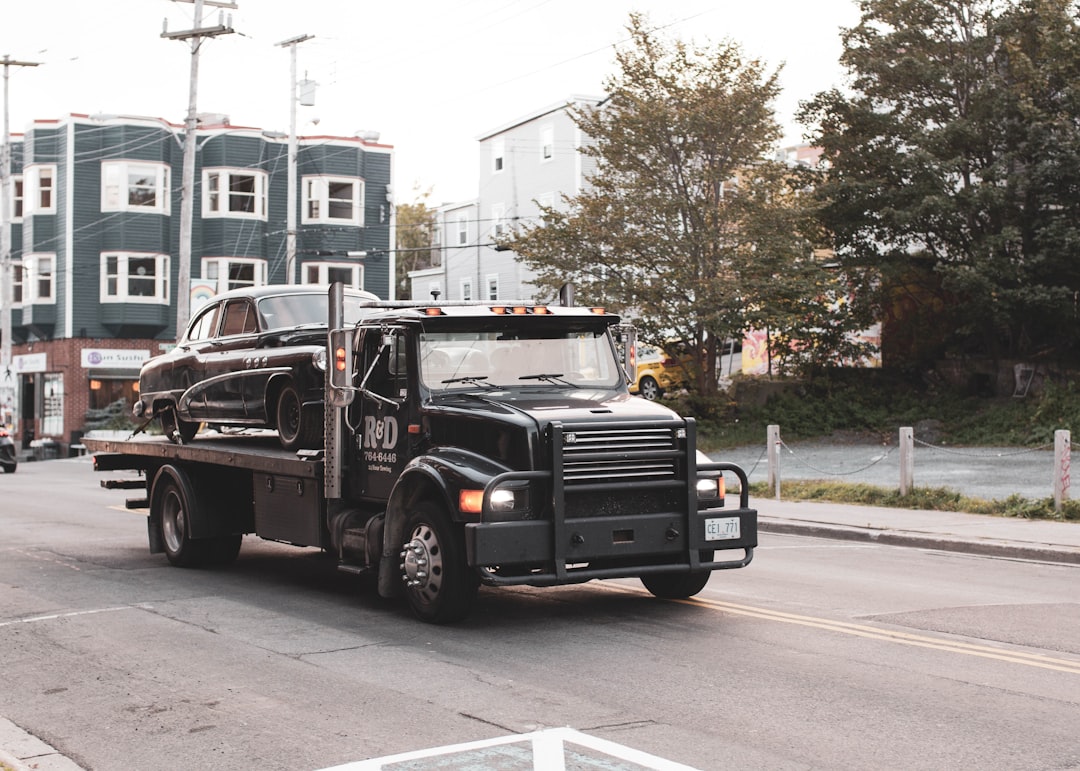
The equipment used in heavy-duty towing is markedly different from that used in standard towing. Standard towing often employs flatbed trucks or wheel-lift systems that are suitable for lighter vehicles. These methods are effective for cars and small trucks, allowing for a straightforward pick-up and transport process.
Flatbed trucks provide a stable platform for vehicles, while wheel-lift systems can lift the front or rear of a vehicle for towing. In contrast, heavy-duty towing requires robust equipment capable of handling significant weight and size. Heavy-duty tow trucks are equipped with powerful winches, reinforced frames, and specialized towing mechanisms designed to secure large vehicles safely.
These trucks often feature dual wheels for added stability and can handle loads that exceed several tons. The equipment used in heavy-duty towing is engineered to withstand the rigors of transporting oversized vehicles, ensuring that they remain secure throughout the journey.
The Importance of Vehicle Size and Weight
Understanding the size and weight of a vehicle is essential when determining the appropriate towing service. Standard towing services are typically sufficient for vehicles weighing up to 10,000 pounds.
However, once a vehicle exceeds this weight threshold, it falls into the category of heavy-duty towing. This distinction is vital because using standard towing methods on heavier vehicles can lead to equipment failure or unsafe towing conditions. Heavy-duty vehicles can weigh anywhere from 10,000 pounds to over 80,000 pounds, depending on their type and purpose.
This includes commercial trucks, buses, and large construction machinery. The sheer weight of these vehicles necessitates specialized equipment and trained personnel who understand the complexities involved in safely transporting them. Additionally, the size of these vehicles can pose challenges in terms of maneuverability and securing them during transport, making it imperative to choose a service that specializes in heavy-duty towing.
Specialized Training and Certification
The complexity of heavy-duty towing requires operators to undergo specialized training and certification. Unlike standard towing, which may have less stringent requirements, heavy-duty towing demands a higher level of expertise due to the risks involved. Operators must be well-versed in the mechanics of large vehicles, understand load distribution, and be familiar with the specific equipment used in heavy-duty towing.
Certification programs often include hands-on training with heavy-duty tow trucks, safety protocols, and emergency response techniques. This training ensures that operators can handle various scenarios that may arise during a tow, such as navigating difficult terrain or managing a vehicle rollover. By choosing a towing service with certified operators, customers can have peace of mind knowing that their vehicle is in capable hands.
Handling Different Types of Vehicles
Heavy-duty towing encompasses a wide range of vehicles, each presenting unique challenges. From commercial trucks to construction equipment, each type requires a tailored approach to ensure safe transport. For instance, towing a tractor-trailer involves securing both the cab and trailer while considering the weight distribution to prevent swaying during transport.
Similarly, buses require specialized techniques due to their size and weight distribution. Operators must be adept at using the right equipment to secure these vehicles properly. Additionally, construction machinery like excavators or bulldozers often requires flatbed transport due to their dimensions and weight.
Each type of vehicle demands a different strategy for safe loading and unloading, making it essential for towing services to have experience with various vehicle types.
Cost and Insurance Considerations
| Aspect | Heavy-Duty Towing | Standard Towing |
|---|---|---|
| Typical Vehicle Types | Large trucks, buses, RVs, construction equipment | Cars, motorcycles, small trucks, SUVs |
| Towing Capacity | Above 15,000 lbs | Up to 10,000 lbs |
| Equipment Used | Heavy-duty tow trucks with winches, boom lifts, flatbeds | Light-duty tow trucks, dollies, flatbeds |
| Service Complexity | High – requires specialized skills and equipment | Moderate – standard towing procedures |
| Cost Range | Higher due to equipment and labor intensity | Lower compared to heavy-duty towing |
| Common Uses | Commercial vehicle recovery, accident recovery of large vehicles | Personal vehicle breakdowns, small accident recovery |
| Response Time | May be longer due to equipment mobilization | Typically faster due to availability of light-duty trucks |
When considering towing services, cost is often a significant factor for vehicle owners. Heavy-duty towing typically incurs higher costs than standard towing due to the specialized equipment and expertise required. Factors influencing the cost include the distance of the tow, the type of vehicle being transported, and any additional services needed such as winch-outs or load shifts.
Insurance considerations also play a crucial role in the decision-making process. Vehicle owners should check their insurance policies to understand coverage for towing services. Some policies may cover standard towing but not extend to heavy-duty services.
It’s advisable to consult with an insurance agent to clarify coverage details before an emergency arises. Being informed about potential costs and insurance implications can help vehicle owners make better decisions when faced with a towing situation.
Emergency Response and Roadside Assistance
In emergencies, having access to reliable roadside assistance is invaluable. Heavy-duty towing services often provide 24/7 emergency response capabilities to address urgent situations such as breakdowns or accidents involving large vehicles. Quick response times are critical in these scenarios to minimize disruption on busy roads and ensure safety for all motorists.
Roadside assistance may include winch-outs for vehicles stuck in mud or ditches, as well as recovery services for rollovers or accidents involving heavy machinery. The ability to respond swiftly with the right equipment can make a significant difference in resolving an emergency situation effectively. Choosing a towing service that prioritizes emergency response ensures that help is available when it’s needed most.
Choosing the Right Towing Service for Your Needs
Selecting the appropriate towing service is essential for ensuring that your vehicle is handled safely and efficiently. When choosing between standard and heavy-duty towing services, consider factors such as the type of vehicle you own, its weight, and any specific requirements you may have for transport. It’s also important to research local companies that specialize in heavy-duty towing if you own larger vehicles or operate a business that relies on commercial transportation.
Look for companies with positive reviews, certified operators, and a commitment to safety. A reputable service will be transparent about their processes and provide clear communication throughout the towing experience. In conclusion, understanding the differences between heavy-duty and standard towing is vital for vehicle owners in Oklahoma City and beyond.
By being informed about equipment differences, vehicle specifications, training requirements, costs, and emergency response capabilities, you can make educated decisions when faced with a towing need. If you find yourself in need of professional towing services in Oklahoma City, don’t hesitate to reach out to Arrow Wrecker Service at (405) 943-1800.
Villa Ave, Oklahoma City, OK 73107.
When considering the differences between heavy-duty towing and standard towing, it’s also important to understand the implications of vehicle impoundment. For more information on what to do if your car is impounded, you can read our article on the subject here. This resource provides valuable insights into the process and steps you need to take to retrieve your vehicle, complementing your knowledge of towing services.
FAQs
What is heavy-duty towing?
Heavy-duty towing refers to the towing of large, heavy vehicles or equipment, typically using specialized trucks designed to handle weights exceeding 15,000 pounds. This type of towing is commonly used for commercial vehicles, buses, large trailers, and construction equipment.
How does standard towing differ from heavy-duty towing?
Standard towing generally involves lighter vehicles such as cars, SUVs, and small trucks, usually under 10,000 pounds. Heavy-duty towing, on the other hand, requires more powerful tow trucks with enhanced capabilities to safely move much heavier loads.
What types of vehicles require heavy-duty towing?
Vehicles that often require heavy-duty towing include semi-trucks, buses, large RVs, construction machinery, and other commercial vehicles that exceed the weight limits of standard tow trucks.
What equipment is used in heavy-duty towing?
Heavy-duty towing uses specialized tow trucks such as rotators, wreckers, and heavy-duty flatbeds equipped with stronger winches, hydraulic lifts, and reinforced frames to manage the increased weight and size of the towed vehicle.
Is heavy-duty towing more expensive than standard towing?
Yes, heavy-duty towing typically costs more due to the specialized equipment, increased labor, and higher insurance requirements involved in safely towing larger and heavier vehicles.
Can any tow truck perform heavy-duty towing?
No, only tow trucks specifically designed and rated for heavy-duty towing can safely handle the weight and size of heavy vehicles. Using an inappropriate tow truck can be unsafe and cause damage.
Are there special regulations for heavy-duty towing?
Yes, heavy-duty towing is subject to stricter regulations regarding weight limits, safety protocols, and licensing requirements to ensure the safety of the towing operation and other road users.
When should I choose heavy-duty towing over standard towing?
If the vehicle or equipment to be towed exceeds the weight or size limits of standard tow trucks, or if it is a commercial or industrial vehicle, heavy-duty towing is the appropriate choice to ensure safe and effective transport.