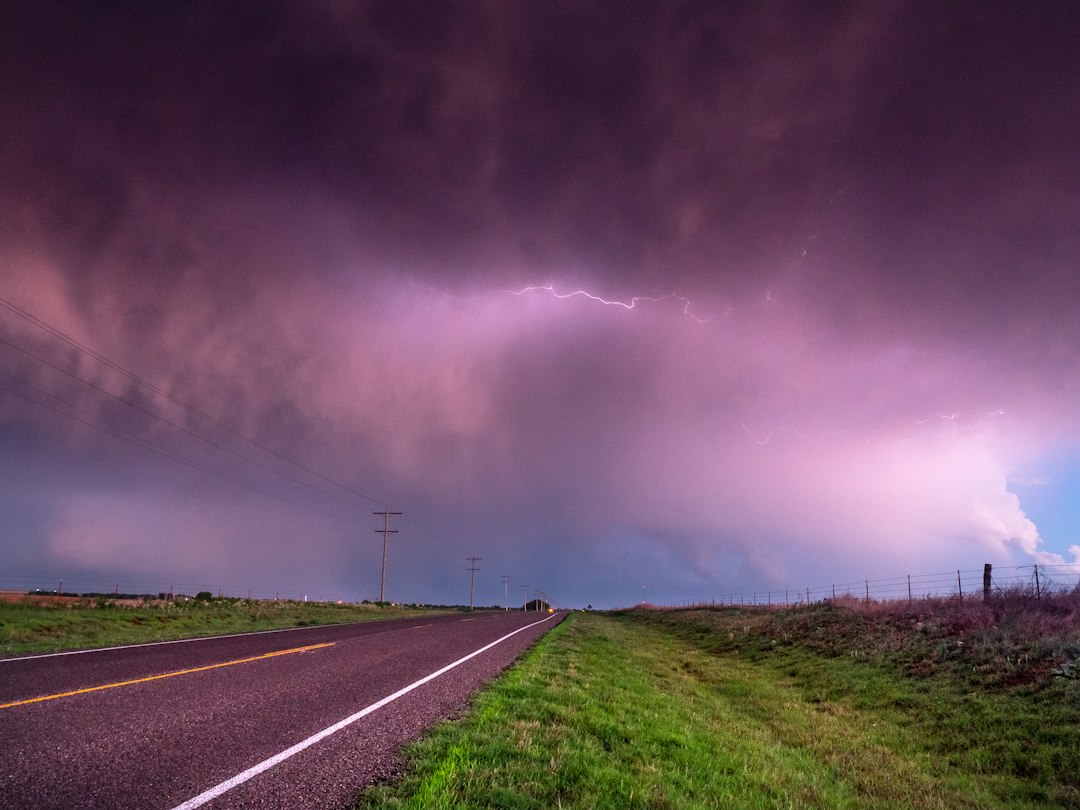
Weather plays a crucial role in the towing and recovery industry, particularly in a state like Oklahoma, where conditions can change rapidly and dramatically. From the sweltering heat of summer to the icy grip of winter, each season presents unique challenges that towing professionals must navigate. Understanding how weather impacts towing operations is essential for ensuring safety, efficiency, and effective service delivery.
At Arrow Wrecker Service, we recognize that our work is not just about moving vehicles; it’s about doing so safely and responsibly, regardless of the weather conditions.
Our team is trained to handle a variety of situations, but the unpredictability of Oklahoma’s weather can complicate even the simplest towing jobs.
This article will explore the various weather-related challenges we face and how we adapt our strategies to ensure safe and effective towing and recovery operations.
In exploring the various ways weather conditions affect towing and recovery operations in Oklahoma, it is essential to consider the broader implications of environmental factors on vehicle safety and recovery strategies. For a deeper understanding of the legal aspects surrounding towing services, you can refer to this related article on the legal considerations in towing and recovery: vehicle authorization.
Impact of Oklahoma’s Heat on Towing Equipment and Personnel
| Weather Condition | Impact on Towing and Recovery | Common Challenges | Safety Measures | Response Time Effect |
|---|---|---|---|---|
| Ice | Increased vehicle accidents and slide-offs requiring recovery | Slippery roads, reduced traction, risk of tow truck sliding | Use of chains or snow tires, slower speeds, additional spotters | Significantly increased due to hazardous road conditions |
| Wind | Difficulty stabilizing vehicles during towing, debris on roads | High gusts causing instability, flying debris, reduced visibility | Secure loads tightly, use wind shields, monitor weather updates | Moderately increased due to safety precautions and slower travel |
| Heat | Increased vehicle breakdowns, risk of equipment overheating | Overheated engines, tire blowouts, operator fatigue | Regular equipment checks, hydration for operators, shaded rest breaks | Minimal to moderate increase depending on severity |
While winter weather presents its own set of challenges, Oklahoma’s scorching summer heat can also impact towing operations significantly. High temperatures can lead to equipment malfunctions, tire blowouts, and increased fatigue among personnel. It’s essential for towing companies to be aware of these risks and take proactive measures to mitigate them.
To combat the effects of heat on our equipment, we conduct regular maintenance checks on our tow trucks and other machinery. This includes monitoring fluid levels, checking tire pressure, and ensuring that all systems are functioning correctly. Additionally, we prioritize the well-being of our personnel by encouraging regular breaks in shaded areas and providing ample hydration during long shifts. By taking these steps, we aim to maintain operational efficiency while safeguarding our team’s health.
Understanding how weather conditions affect towing and recovery operations in Oklahoma is crucial for ensuring safety and efficiency. For instance, ice can create hazardous driving conditions, while strong winds may complicate recovery efforts. Additionally, extreme heat can lead to vehicle malfunctions, making it essential for towing services to be prepared for any situation. For more insights on this topic, you can read a related article that discusses the challenges faced by towing companies in different weather scenarios by visiting this link.
Strategies for Safe Recovery in Extreme Weather Conditions
When extreme weather strikes, having a well-defined strategy for safe recovery becomes paramount. At Arrow Wrecker Service, we have developed a set of best practices that guide our operations during adverse weather conditions. These strategies are designed not only to protect our team but also to ensure the safety of our clients and their vehicles.
One key strategy involves thorough pre-operation assessments. Before heading out on a call, our operators evaluate weather forecasts and road conditions to determine the safest approach for recovery. This may include selecting appropriate equipment based on the situation—such as opting for heavy-duty towing gear when dealing with larger vehicles or using specialized recovery tools for off-road incidents. Additionally, communication is vital; we keep clients informed about what to expect during the recovery process and any potential delays due to weather-related challenges.
Seasonal Weather Patterns and Their Influence on Towing Demand
Oklahoma’s diverse climate leads to distinct seasonal weather patterns that directly influence towing demand throughout the year. For instance, winter months often see an uptick in requests for towing services due to icy roads and increased accidents. Conversely, summer months may bring about more breakdowns related to overheating engines or tire issues caused by extreme heat.
Understanding these seasonal trends allows us to prepare adequately for fluctuations in demand. During peak seasons for towing requests, we ensure that our team is adequately staffed and equipped to handle increased call volumes efficiently. This proactive approach helps us maintain a high level of service quality while ensuring that we can respond promptly to those in need.
Preparing for Weather-Related Emergencies: Tips for Oklahoma Drivers and Tow Operators
Preparation is key when it comes to navigating Oklahoma’s unpredictable weather conditions. Both drivers and tow operators can benefit from having a plan in place for weather-related emergencies. For drivers, this means keeping an emergency kit in their vehicles that includes essentials such as water, non-perishable snacks, a flashlight, blankets, and basic first-aid supplies.
Tow operators should also be equipped with their own emergency kits and should regularly review safety protocols with their teams. This includes conducting drills for various weather scenarios so that everyone knows how to respond effectively when faced with challenging conditions. By fostering a culture of preparedness within our organization and encouraging drivers to do the same, we can enhance safety for everyone on the road.
In conclusion, understanding the impact of weather on towing operations is essential for ensuring safe and effective service delivery in Oklahoma. From icy roads in winter to scorching summer heat, each season presents unique challenges that require careful planning and execution. At Arrow Wrecker Service, we are committed to navigating these challenges with professionalism and a focus on safety.
If you find yourself in need of towing or recovery services in Oklahoma City or surrounding areas, don’t hesitate to reach out. Call (405) 943-1800 and mention 700 N. Villa Ave, Oklahoma City, OK 73107 for reliable assistance tailored to your needs.
FAQs
How does ice impact towing and recovery in Oklahoma?
Ice can make roads slippery and dangerous, increasing the likelihood of accidents and vehicles getting stuck. Towing companies may experience higher call volumes during icy conditions due to an increase in accidents and vehicles sliding off the road.
What challenges does wind pose for towing and recovery in Oklahoma?
Strong winds can make it difficult to control a tow truck or operate recovery equipment safely. Windy conditions can also make it challenging to secure vehicles properly during towing, increasing the risk of accidents or damage.
How does heat affect towing and recovery operations in Oklahoma?
Extreme heat can put a strain on towing equipment and vehicles, leading to overheating and mechanical issues. Towing operators may need to take extra precautions to stay hydrated and prevent heat-related illnesses while working in hot weather.
What safety measures should towing companies take during extreme weather conditions in Oklahoma?
Towing companies should ensure their operators are properly trained to handle various weather conditions and have the necessary equipment to work safely. It is important to regularly inspect and maintain towing vehicles to prevent breakdowns during extreme weather events.
How can drivers prepare for inclement weather when needing towing or recovery services in Oklahoma?
Drivers should have a roadside assistance plan in place and be aware of local weather forecasts to anticipate potential hazards. In case of an emergency, drivers should pull over to a safe location, turn on hazard lights, and contact a reputable towing company for assistance.