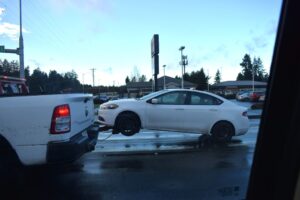
Experiencing a vehicle crash can be a disorienting and stressful event. The immediate aftermath often leaves individuals feeling overwhelmed, both emotionally and physically. In the moments following a collision, it is crucial to take a deep breath and assess the situation calmly. First and foremost, ensure that everyone involved is safe. Check for injuries and, if necessary, call for medical assistance. The priority should always be the well-being of all parties involved.
Once safety has been established, it’s important to understand the next steps. This includes moving vehicles out of traffic if possible, exchanging information with other drivers, and documenting the scene. Taking photographs of the vehicles, road conditions, and any visible damages can be invaluable later on. This documentation will not only assist in insurance claims but also provide a clearer picture of the incident for all parties involved.
For those looking to delve deeper into the intricacies of post-accident procedures, a related article titled “Post-Crash Cleanup Basics: What Happens After the Tow” provides a comprehensive overview of the essential steps to take following a vehicle accident. This article outlines the necessary actions to ensure safety and compliance with legal requirements. To further explore related topics and resources, you can visit the forms section at Arrow Wrecker Service, where you will find helpful information and tools to assist you during the post-crash process.
Key Takeaways
- Understanding the immediate aftermath of a crash is crucial for ensuring safety and proper response.
- Tow trucks play a vital role in efficiently clearing vehicles and debris from accident scenes.
- Assessing vehicle damage before towing helps determine the best approach for removal and repair.
- Implementing safety precautions during vehicle removal protects both responders and bystanders.
- Coordinating with emergency responders and documenting the incident is essential for legal and insurance purposes.
The Role of Tow Trucks in Post-Crash Cleanup
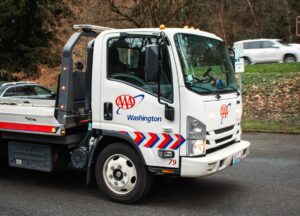
Tow trucks play a vital role in the aftermath of a crash, serving as the bridge between chaos and order. Their primary function is to safely remove damaged vehicles from the scene, preventing further accidents and ensuring that traffic can resume as quickly as possible. In Oklahoma City, Arrow Wrecker Service is available 24/7 to assist with this critical task. Our trained professionals understand the nuances of vehicle recovery and are equipped with specialized tools to handle various types of vehicles.
In addition to towing, tow trucks are essential for managing the logistics of post-crash cleanup. They can assist in winching out vehicles that may have rolled over or become stuck in difficult positions. Heavy-duty towing services are also available for larger vehicles that may require specialized equipment for safe removal. By utilizing flatbed or wheel-lift towing methods, we ensure that vehicles are transported without causing further damage, allowing for a smoother recovery process.
Assessing Vehicle Damage Before Towing
Before any vehicle is towed away from the scene of an accident, it is crucial to conduct a thorough assessment of its condition. This evaluation helps determine the best method for towing and ensures that any potential hazards are addressed before transport. Trained professionals from Arrow Wrecker Service are skilled at identifying visible damage as well as underlying issues that may not be immediately apparent.
During this assessment, factors such as fluid leaks, structural integrity, and tire condition are examined. If a vehicle has sustained significant damage, it may require specialized towing techniques to prevent further harm during transport. Understanding the extent of the damage not only aids in choosing the right towing method but also prepares vehicle owners for what to expect during repairs.
Safety Precautions During Vehicle Removal
Safety is paramount during the vehicle removal process following a crash. Tow truck operators must adhere to strict safety protocols to protect themselves, other motorists, and pedestrians in the vicinity. This includes wearing appropriate personal protective equipment (PPE) such as reflective vests and hard hats, which enhance visibility and reduce the risk of accidents.
Additionally, securing the area around the crash site is essential. Setting up warning signs and cones can help divert traffic away from the scene while the tow truck operator works. It’s also important for operators to communicate effectively with each other and any emergency responders present to ensure that everyone is aware of their roles during the removal process. By prioritizing safety, we can minimize risks and facilitate a smoother recovery operation.
After a vehicle accident, understanding the post-crash cleanup process is essential for ensuring a smooth recovery. One important aspect to consider is the authorization needed for vehicle towing and storage, which can significantly impact the cleanup timeline. For more detailed information on this topic, you can read about vehicle authorization in our related article. This knowledge can help you navigate the necessary steps after an incident and ensure that your vehicle is handled properly. You can find more details in this related article.
Clearing Debris and Hazards from the Crash Site
| Step | Description | Typical Timeframe | Responsible Party | Key Considerations |
|---|---|---|---|---|
| 1. Vehicle Removal | Tow truck arrives and removes damaged vehicle from crash site | Within 30-60 minutes after crash | Towing Company / Police | Ensure safe removal to avoid further damage |
| 2. Site Cleanup | Clearing debris, fluids, and hazardous materials from the road | 30 minutes to 2 hours | Emergency Responders / Road Maintenance Crews | Prevent environmental hazards and secondary accidents |
| 3. Police Report Filing | Documentation of crash details and evidence collection | Within hours of the incident | Police Officers | Accurate reporting is critical for insurance and legal purposes |
| 4. Insurance Notification | Contacting insurance companies to report the incident | Within 24 hours | Vehicle Owner / Driver | Provide detailed information and documentation |
| 5. Vehicle Assessment | Inspection to determine repairability or total loss | 1-3 days post-tow | Insurance Adjuster / Auto Repair Shop | Accurate damage assessment affects claim outcomes |
| 6. Repair or Disposal | Decision and action on vehicle repair or salvage | Varies; days to weeks | Vehicle Owner / Repair Shop / Salvage Yard | Cost-effectiveness and safety considerations guide decisions |
| 7. Legal Follow-up | Addressing citations, claims, or lawsuits related to the crash | Weeks to months | Involved Parties / Legal Representatives | Timely response can affect outcomes |
Once vehicles have been safely removed from the scene, it’s time to address any debris or hazards left behind. This step is crucial for restoring normal traffic flow and ensuring that no additional accidents occur due to leftover materials from the crash. Tow truck operators often work in conjunction with local authorities to clear debris efficiently and safely.
Debris can include broken glass, car parts, or even spilled fluids that pose risks to other drivers. Using specialized equipment, our team at Arrow Wrecker Service can effectively remove these hazards from the roadway. This not only helps maintain safety but also aids in preserving the integrity of the road itself, preventing further damage that could lead to costly repairs down the line.
Coordinating with Emergency Responders and Authorities
Effective coordination with emergency responders and local authorities is essential during post-crash operations. Tow truck operators must communicate clearly with police officers, fire departments, and medical personnel on-site to ensure that everyone is on the same page regarding the situation at hand. This collaboration helps streamline the recovery process and ensures that all necessary protocols are followed.
At Arrow Wrecker Service, we pride ourselves on our ability to work seamlessly with local emergency services. Our team understands the importance of following established procedures and respecting the authority of first responders. By fostering strong relationships with these agencies, we can provide more efficient service while prioritizing safety for everyone involved.
Documentation and Reporting After the Tow
After a vehicle has been successfully towed from an accident scene, proper documentation is essential for both legal and insurance purposes. Tow truck operators should provide detailed reports outlining the circumstances surrounding the tow, including time, location, and any relevant observations made during the recovery process. This documentation serves as an official record that can be referenced later by vehicle owners or insurance companies.
In addition to providing reports, it’s important for vehicle owners to keep their own records of the incident. This includes taking photographs of damages, collecting witness statements, and retaining any police reports filed at the scene. Having comprehensive documentation will facilitate smoother communication with insurance providers and help ensure that claims are processed efficiently.
Preparing Your Vehicle for Repair or Storage
Once your vehicle has been towed away from the crash site, it’s time to prepare it for repair or storage. If you plan on having your vehicle repaired immediately, it’s essential to choose a reputable auto repair shop that specializes in collision repairs. Communicating openly with your mechanic about any specific concerns or damages observed during the assessment will help them address issues effectively.
If your vehicle will be stored temporarily before repairs can begin, ensure that it is secured properly in a safe location. Many towing companies offer storage facilities where vehicles can be kept until they are ready for repair. It’s important to confirm that your vehicle will be stored in a secure environment to prevent theft or further damage while awaiting service.
In conclusion, navigating the aftermath of a vehicle crash can be challenging, but understanding each step of the process can help alleviate some stress. From assessing damage to coordinating with emergency responders and preparing for repairs, each phase plays a crucial role in ensuring safety and efficiency.
If you find yourself in need of towing or recovery services in Oklahoma City, don’t hesitate to reach out to Arrow Wrecker Service at (405) 943-1800. Our team is available 24/7 to assist you with all your towing needs at 700 N. Villa Ave, Oklahoma City, OK 73107.
FAQs
What is the first step in post-crash cleanup?
The first step in post-crash cleanup is to assess the scene for any hazards and ensure the safety of everyone involved. This may involve moving vehicles to a safe location, setting up warning signs, and contacting emergency services if necessary.
Who is responsible for coordinating post-crash cleanup?
The responsibility for coordinating post-crash cleanup typically falls on the towing company that removes the vehicles from the scene. They are trained to handle the cleanup process efficiently and safely.
What happens to the vehicles involved in the crash after they are towed?
After the vehicles are towed from the scene, they are usually taken to a designated impound lot or repair facility. The owners of the vehicles can then arrange for repairs or salvage, depending on the extent of the damage.
Are there any environmental concerns associated with post-crash cleanup?
Yes, there can be environmental concerns with post-crash cleanup, especially if there are leaking fluids such as oil, gasoline, or coolant. It is important to contain and properly dispose of these hazardous materials to prevent contamination of the environment.
How long does post-crash cleanup typically take?
The duration of post-crash cleanup can vary depending on the severity of the crash and the amount of debris and damage at the scene. In some cases, cleanup can be completed within a few hours, while more complex incidents may take longer to fully clear the area.