Rollover accidents are among the most dangerous types of vehicle collisions, often resulting in severe injuries or fatalities. These incidents occur when a vehicle tips over onto its side or roof, which can happen for various reasons, including sharp turns, collisions with other vehicles, or driving on uneven terrain. The design of certain vehicles, particularly SUVs and trucks, can make them more susceptible to rollovers due to their higher center of gravity. Understanding the dynamics of rollover accidents is crucial for both drivers and recovery professionals, as it helps in implementing effective safety measures and recovery techniques.
The aftermath of a rollover accident can be chaotic and distressing. Victims may be trapped inside their vehicles, and bystanders often feel compelled to assist. However, it is essential to approach these situations with caution. The risk of further injury is significant, not only for the occupants of the vehicle but also for those attempting to help.
Recovery professionals must be well-versed in the mechanics of rollovers to ensure that they can safely and efficiently manage the situation while minimizing risks to everyone involved.
For those interested in understanding the intricacies of rollover recovery, a related article titled “Understanding Vehicle Recovery Techniques: A Comprehensive Guide” provides valuable insights into various recovery methods and safety protocols. This resource complements the information found in “Rollover Recovery Explained: Safety, Stabilization, and Cleanup Basics” by offering a broader perspective on vehicle recovery scenarios. You can explore this informative article further by visiting here.
Key Takeaways
- Rollover accidents require specific understanding and techniques for safe recovery.
- Stabilization and safety precautions are critical to prevent further injury or damage.
- Emergency services play a vital role in managing rollover recovery operations.
- Specialized equipment and proper cleanup procedures enhance recovery efficiency and safety.
- Training and certification ensure personnel are prepared to handle rollover recovery effectively.
Safety Precautions for Rollover Recovery
When responding to a rollover accident, safety should always be the top priority. First responders and recovery personnel must assess the scene carefully before taking any action.
This includes checking for potential hazards such as leaking fuel, downed power lines, or unstable vehicles.
Wearing appropriate personal protective equipment (PPE) is essential to safeguard against these dangers. High-visibility vests, helmets, gloves, and steel-toed boots are standard gear that can help protect recovery workers from injury.
Another critical safety precaution involves securing the area around the accident site. Establishing a safe perimeter can prevent bystanders from getting too close and ensure that emergency vehicles have adequate space to operate. Utilizing cones, flares, or warning signs can help direct traffic away from the scene, reducing the risk of secondary accidents. Additionally, communication among team members is vital; clear instructions and coordination can significantly enhance safety during the recovery process.
Stabilization Techniques for Rollover Recovery
Stabilizing a vehicle involved in a rollover accident is a crucial step in the recovery process. Before attempting to right the vehicle, recovery personnel must ensure that it is secure and will not roll further or shift unexpectedly. One common technique involves using stabilization struts or braces to support the vehicle’s weight and prevent movement. These devices can be adjusted to fit various vehicle sizes and shapes, providing a stable base for recovery efforts.
In some cases, airbags may be deployed to assist in stabilization. These inflatable devices can be inserted under the vehicle and inflated to lift it slightly off the ground, allowing for safer access to the occupants inside. However, using airbags requires specialized training and knowledge of their operation to avoid causing additional harm. Recovery teams must also be aware of the vehicle’s weight distribution and center of gravity to determine the best approach for stabilization.
The Role of Emergency Services in Rollover Recovery
Emergency services play a vital role in managing rollover accidents. Firefighters, paramedics, and law enforcement officers work together to ensure that victims receive prompt medical attention while also securing the scene for recovery operations. Firefighters are often responsible for extricating trapped individuals from vehicles, utilizing tools such as hydraulic cutters and spreaders to safely remove doors or roofs when necessary.
Law enforcement officers are tasked with directing traffic around the accident site and documenting the incident for insurance and legal purposes. Their presence helps maintain order and ensures that emergency responders can work without interference. Additionally, they may provide valuable information about the circumstances leading up to the rollover, which can aid recovery teams in assessing potential hazards and planning their approach.
For those interested in understanding the complexities of rollover recovery, a related article on vehicle auctions can provide valuable insights into the aftermath of such incidents. This piece delves into how vehicles involved in rollovers are often sold at auction, highlighting the importance of proper stabilization and cleanup before they can be resold. To learn more about this process, you can check out the article on vehicle auctions.
Cleanup Procedures After a Rollover Accident
| Aspect | Description | Key Metrics | Best Practices |
|---|---|---|---|
| Safety | Ensuring the safety of personnel and bystanders during rollover recovery operations. |
|
|
| Stabilization | Securing the overturned vehicle to prevent further movement during recovery. |
|
|
| Cleanup | Removing debris, fluids, and hazards post-recovery to restore the site. |
|
|
Once all occupants have been safely removed from the vehicle and medical personnel have assessed their condition, cleanup procedures can begin. This phase is essential for restoring the area to its original state and ensuring that no hazardous materials remain on-site. Recovery teams must first address any spilled fluids, such as gasoline or oil, which can pose environmental risks and create slippery conditions for other vehicles.
Debris removal is another critical aspect of cleanup. Broken glass, vehicle parts, and personal belongings must be collected and disposed of properly. In some cases, specialized equipment may be required to remove larger pieces of debris or damaged vehicles from the scene. Recovery personnel should also document the cleanup process through photographs or written reports to provide a record of their actions for insurance purposes.
For those interested in understanding the intricacies of vehicle recovery, a related article that delves deeper into the technical aspects of accident response is available. This piece offers valuable insights into the protocols and equipment used during such operations, ensuring safety and efficiency. You can read more about these essential procedures in the article on accident response techniques.
Preventing Hazards During Rollover Recovery
Preventing hazards during rollover recovery is paramount to ensuring the safety of all involved parties. Recovery teams must remain vigilant for potential dangers throughout the process. This includes monitoring for changes in weather conditions that could affect visibility or road traction. Rain, snow, or high winds can create additional challenges during recovery operations, necessitating adjustments to techniques and equipment used.
Another critical aspect of hazard prevention involves maintaining clear communication among team members. Regular check-ins can help ensure that everyone is aware of their responsibilities and any changes in the situation. Additionally, recovery personnel should be trained to recognize signs of fatigue or stress among team members, as these factors can impair judgment and increase the risk of accidents.
Utilizing Specialized Equipment for Rollover Recovery
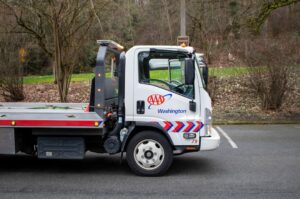
Specialized equipment is often necessary for effective rollover recovery operations. Tow trucks equipped with flatbeds or wheel-lift systems are commonly used to transport overturned vehicles safely. These trucks are designed to handle various vehicle sizes and weights, making them versatile tools for recovery teams. In some cases, heavy-duty tow trucks may be required for larger vehicles or those that have sustained significant damage.
Winching systems are another essential component of rollover recovery equipment. These systems allow recovery personnel to pull vehicles upright or reposition them safely without risking further injury to occupants or damage to the vehicle itself. Additionally, air cushions or inflatable bags can be employed to assist in lifting vehicles during stabilization efforts. Utilizing this specialized equipment ensures that recovery operations are conducted efficiently and safely.
Training and Certification for Rollover Recovery Personnel
Training and certification are critical components of effective rollover recovery operations. Personnel involved in these efforts must possess a thorough understanding of vehicle dynamics, stabilization techniques, and safety protocols. Many organizations offer specialized training programs that cover these topics in detail, ensuring that recovery teams are well-prepared for various scenarios they may encounter on the job.
Certification programs often include hands-on training exercises that allow participants to practice their skills in controlled environments before responding to real-life incidents. This practical experience is invaluable in building confidence and competence among recovery personnel. Ongoing education is also essential; as technology and techniques evolve, staying current with industry standards ensures that recovery teams can provide the highest level of service while prioritizing safety.
In conclusion, rollover accidents present unique challenges that require careful consideration and expertise during recovery operations. By understanding the dynamics of these incidents and implementing effective safety measures, recovery personnel can navigate these situations with professionalism and care. If you find yourself in need of assistance following a rollover accident or any other towing service in Oklahoma City, please call Arrow Wrecker Service at (405) 943-1800. Our team is available 24/7 at 700 N. Villa Ave, Oklahoma City, OK 73107 to provide you with reliable support when you need it most.
FAQs
What is rollover recovery in vehicle safety?
Rollover recovery refers to the process of safely stabilizing and righting a vehicle that has flipped onto its side or roof. It involves techniques and equipment used to prevent further injury or damage during the recovery operation.
Why is stabilization important during rollover recovery?
Stabilization is crucial to prevent the vehicle from shifting or rolling further, which could endanger rescue personnel, occupants, and bystanders. Proper stabilization ensures a controlled and safe recovery process.
What are the basic steps involved in rollover cleanup?
Rollover cleanup typically includes securing the scene, stabilizing the vehicle, safely extricating occupants if necessary, removing debris, and clearing fluids or hazardous materials to restore safe conditions.
What safety precautions should responders take during rollover recovery?
Responders should wear appropriate personal protective equipment, use proper stabilization tools, assess the vehicle for hazards like fuel leaks or electrical risks, and coordinate with emergency services to ensure a safe environment.
Can rollover recovery techniques vary depending on the type of vehicle?
Yes, recovery methods can differ based on vehicle size, weight, and design. For example, recovering a passenger car may require different equipment and approaches compared to a large truck or SUV to ensure safety and effectiveness.