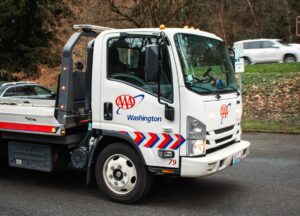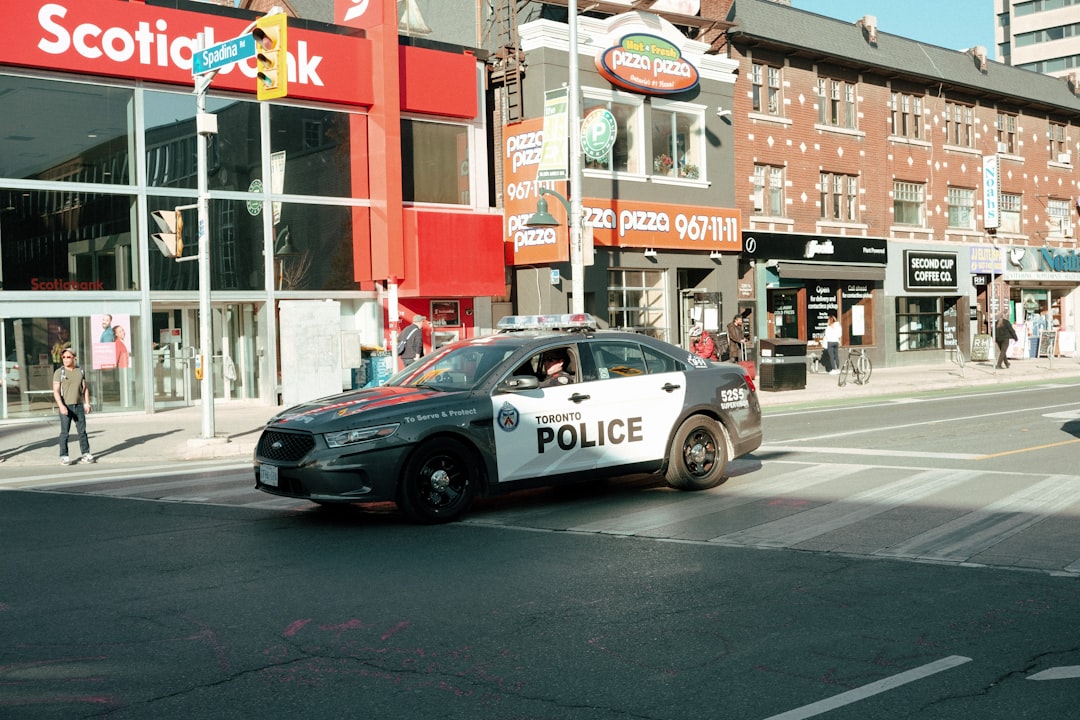
A police tow refers to the removal of a vehicle by law enforcement authorities, typically due to violations of traffic laws or regulations. This process is initiated when a vehicle is parked in a manner that obstructs traffic, poses a safety hazard, or is involved in a crime. Police tows are often executed by authorized towing companies that work in conjunction with local law enforcement agencies.
The primary goal of a police tow is to maintain public safety and ensure the smooth flow of traffic.
When a vehicle is towed by the police, the owner is usually notified through a notice left on the vehicle or through direct communication. The vehicle is then transported to a designated impound lot, where it will remain until the owner retrieves it. This process can be inconvenient and costly for vehicle owners, as they may incur fees for towing and storage. Understanding the circumstances under which police tows occur can help vehicle owners navigate this challenging situation.
For those looking to delve deeper into the nuances of towing regulations and the distinctions between police tows and private property tows, a related article can provide valuable insights. You can explore more about the legal aspects and practical implications of towing in various scenarios by visiting this informative resource: Understanding Police Tows vs. Private Property Tows. This article offers a comprehensive overview that can help clarify common misconceptions and provide a clearer understanding of your rights and responsibilities regarding towing situations.
Key Takeaways
- Police tows are initiated by law enforcement for public safety or legal violations, while private property tows are conducted by property owners or their agents.
- Legal authority for police tows is derived from statutes and law enforcement regulations, whereas private property tows are governed by property rights and local ordinances.
- Common reasons for police tows include illegal parking, involvement in crimes, or abandoned vehicles; private property tows often occur due to unauthorized parking or trespassing.
- Vehicle owners have specific rights and responsibilities, including notification requirements and the ability to retrieve their vehicles.
- Owners can contest a tow by following legal procedures, which may involve administrative hearings or court appeals.
What is a Private Property Tow?
A private property tow occurs when a vehicle is removed from private property without the owner’s consent. This type of towing is typically initiated by property owners or managers who wish to enforce parking regulations on their premises. Common scenarios for private property tows include unauthorized vehicles parked in reserved spaces, blocking access points, or occupying areas designated for specific purposes, such as loading zones.
Private property tows are governed by state and local laws, which dictate the procedures that must be followed before a vehicle can be towed.
These regulations are designed to protect the rights of vehicle owners while allowing property owners to maintain control over their parking areas.
In many cases, property owners must post clear signage indicating parking rules and provide reasonable notice before towing a vehicle.
Legal Authority for Police Tows
The legal authority for police tows stems from various state and local laws that grant law enforcement officers the power to remove vehicles under specific circumstances. These laws are designed to ensure public safety and uphold traffic regulations. For instance, vehicles that are abandoned, parked in violation of local ordinances, or involved in criminal activity can be legally towed by police.
In Oklahoma, police officers have the discretion to tow vehicles that pose an immediate threat to public safety or obstruct traffic flow. This authority is often exercised during emergencies, such as accidents or natural disasters, where swift action is necessary to clear the roadways. Additionally, police may tow vehicles that have been reported stolen or are associated with criminal investigations. Understanding the legal framework surrounding police tows can help vehicle owners recognize their rights and responsibilities.
Legal Authority for Private Property Tows
Private property tows are governed by specific laws that vary by state and locality. In Oklahoma, property owners have the right to remove unauthorized vehicles from their premises, but they must adhere to certain legal requirements. These requirements often include posting clear signage indicating that unauthorized parking will result in towing and providing reasonable notice to the vehicle owner before towing occurs.
Property owners must also ensure that they use licensed towing companies to carry out the tow. This helps protect the rights of vehicle owners and ensures that the towing process is conducted fairly and legally. Failure to comply with these regulations can result in legal repercussions for property owners, including potential liability for damages incurred by the vehicle owner.
For those looking to delve deeper into the nuances of towing regulations, a related article that provides valuable insights is available at Arrow Wrecker. This resource offers a comprehensive overview of the differences between police tows and private property tows, helping readers understand their rights and responsibilities in various towing situations.
Reasons for Police Tows
| Aspect | Police Tows | Private Property Tows |
|---|---|---|
| Reason for Tow | Law enforcement reasons (e.g., illegal parking, evidence, abandoned vehicles) | Unauthorized parking on private property or violation of property rules |
| Authority | Authorized by police or local government | Authorized by property owner or manager |
| Notification | Usually immediate notification to vehicle owner or law enforcement records | May or may not notify vehicle owner before towing |
| Storage Location | Impound lots managed by police or contracted agencies | Private tow yards or storage facilities |
| Fees | Set by local government regulations | Set by private towing company, often higher than police tows |
| Redemption Process | Involves police department and payment of fees/fines | Involves contacting towing company and paying fees |
| Legal Protections | Subject to government regulations and oversight | Subject to state laws and private property regulations |
| Dispute Resolution | Can appeal through police or municipal channels | May require civil action or complaint to regulatory agencies |
There are several reasons why law enforcement may initiate a police tow. One common reason is the violation of parking regulations, such as parking in a no-parking zone or blocking a fire hydrant. These violations can create hazards for other drivers and emergency responders, prompting police intervention.
Another reason for police tows is related to abandoned vehicles. If a vehicle is left unattended for an extended period, especially in a public area, it may be deemed abandoned and subject to towing. Additionally, vehicles involved in criminal activity or accidents may be towed as part of an investigation or to clear the scene for safety reasons. Understanding these reasons can help vehicle owners avoid situations that may lead to their vehicles being towed.
For those looking to delve deeper into the nuances of vehicle impoundment, a related article provides valuable insights into the process and implications of having your car towed. Understanding the differences between police tows and private property tows can be complex, but resources like this one can help clarify the situation. If you’re facing the unfortunate circumstance of an impounded vehicle, you can find more information in this helpful article about what to do next by visiting this link.
Reasons for Private Property Tows
Private property tows are often initiated for various reasons related to enforcing parking regulations on private premises. One common reason is unauthorized parking in reserved spaces, such as those designated for tenants or employees. Property owners have a vested interest in ensuring that their designated parking areas are available for those who have permission to use them.
Another reason for private property tows is vehicles that obstruct access points or loading zones. When vehicles block entrances or exits, they can create significant inconveniences for other users of the property. In such cases, property owners may choose to tow the offending vehicle to maintain order and accessibility on their premises. Understanding these reasons can help vehicle owners be more mindful of where they park and avoid potential towing situations.
Rights and Responsibilities of Vehicle Owners
Vehicle owners have specific rights and responsibilities when it comes to towing situations, whether initiated by police or private property owners. One fundamental right is the ability to contest a tow if they believe it was unjustified. Vehicle owners should familiarize themselves with local laws regarding towing practices and understand the procedures for contesting a tow.
Additionally, vehicle owners are responsible for ensuring that they park their vehicles legally and in accordance with posted regulations. This includes being aware of signage indicating parking restrictions and adhering to any rules set forth by property owners on private premises. By understanding their rights and responsibilities, vehicle owners can better navigate towing situations and minimize potential inconveniences.
How to Contest a Tow
If you believe your vehicle has been unjustly towed, there are steps you can take to contest the tow. First, gather any relevant documentation, such as photographs of the parking area, signage, and any communication you may have had with law enforcement or property management. This evidence can support your case when contesting the tow.
Next, contact the towing company and inquire about their procedures for contesting a tow. Many companies have specific protocols in place for addressing disputes related to towing incidents. Additionally, you may want to reach out to your local law enforcement agency or municipal office for guidance on how to formally contest a police tow.
In conclusion, understanding the nuances of police and private property tows can empower vehicle owners in Oklahoma City and beyond. By being informed about their rights and responsibilities, individuals can navigate these situations more effectively and avoid unnecessary complications.
If you find yourself in need of towing services or have questions about towing regulations in Oklahoma City, call Arrow Wrecker Service at (405) 943-1800. Our team is here to assist you 24/7 at 700 N. Villa Ave, Oklahoma City, OK 73107.
FAQs
What is the difference between a police tow and a private property tow?
A police tow is initiated by law enforcement, usually when a vehicle is involved in a violation such as illegal parking, accidents, or evidence collection. A private property tow occurs when a vehicle is towed from private land, often due to trespassing or unauthorized parking, typically at the request of the property owner or manager.
Who is responsible for paying the towing fees in each case?
In both police and private property tows, the vehicle owner is generally responsible for paying the towing and storage fees before retrieving their vehicle. However, the specific payment process and fee amounts can vary depending on local regulations and the towing company involved.
Can I retrieve my vehicle immediately after it is towed?
Retrieval times depend on the towing facility’s hours of operation and any legal holds placed on the vehicle. Police tows may involve additional procedures if the vehicle is part of an investigation, potentially delaying release. Private property tows usually allow retrieval once fees are paid and any required documentation is provided.
Are there any legal protections for vehicle owners regarding tows?
Yes, many jurisdictions have laws regulating towing practices to protect vehicle owners, such as requiring proper signage on private property, limits on towing fees, and procedures for contesting a tow. These protections vary widely, so it’s important to understand local rules.
How can I find out where my vehicle was towed?
If your vehicle is towed by the police, you can contact the local police department or check their website for information. For private property tows, contacting the property owner or the towing company directly is the best way to locate your vehicle. Some areas also have centralized towing information hotlines or websites.