Tractor decking is a crucial aspect of the transportation and logistics industry, particularly for those involved in heavy-duty hauling. This process involves the careful loading and securing of tractors onto flatbed trailers or other transport vehicles, ensuring that they are safely transported from one location to another. In Oklahoma City, where agriculture and heavy machinery play a significant role in the economy, understanding the nuances of tractor decking is essential for both operators and businesses alike.
The importance of tractor decking cannot be overstated, as improper loading can lead to accidents, damage to equipment, and even legal liabilities. As a result, it is vital for operators to be well-versed in the best practices for securing tractors during transport. This article will delve into the various types of tractor decking, their uses, benefits, maintenance, safety considerations, and how to choose the right decking for your specific needs.
If you’re interested in learning more about the practical applications and legal considerations surrounding tractor decking, you might find the article on legal aspects of towing and vehicle recovery insightful. It provides a comprehensive overview of regulations and best practices in the industry, which can be crucial for understanding when and how tractor decking is utilized. For more information, check out the article here: Legal Aspects of Towing and Vehicle Recovery.
Key Takeaways
- Tractor decking is an essential component of agricultural machinery used for carrying and transporting materials.
- Types of tractor decking include flatbed, drop-side, and stake-side, each with its own unique features and benefits.
- Tractor decking is used for transporting crops, livestock, equipment, and other materials on farms and agricultural settings.
- The benefits of tractor decking include increased efficiency, convenience, and safety in transporting materials on the farm.
- Maintenance and care of tractor decking is important to ensure longevity and safe operation, including regular inspections and cleaning.
Types of Tractor Decking
When it comes to tractor decking, there are several types that cater to different needs and preferences. Each type has its own unique features and advantages, making it essential for operators to understand their options before making a decision.
One common type of tractor decking is the flatbed trailer. Flatbeds are versatile and can accommodate various sizes and weights of tractors. They provide a stable platform for loading and unloading, making them ideal for transporting heavy machinery. Additionally, flatbeds often come equipped with tie-down points, allowing operators to secure the load effectively.
Another option is the lowboy trailer, which is designed for transporting taller equipment. Lowboys have a lower deck height, making it easier to load and unload taller tractors without exceeding height restrictions on roadways. This type of decking is particularly useful for agricultural machinery that may have a higher center of gravity.
Lastly, there are specialized trailers designed specifically for tractor decking. These trailers often feature adjustable ramps, hydraulic systems for easier loading, and additional safety features to ensure that the tractor remains secure during transport. Understanding these different types of tractor decking can help operators make informed decisions based on their specific needs.
Uses of Tractor Decking
Tractor decking serves a variety of purposes across different industries. One of the primary uses is in agriculture, where tractors are essential for tasks such as plowing, planting, and harvesting crops. When farmers need to transport their tractors to different fields or locations, proper decking ensures that their equipment arrives safely and ready for use.
In addition to agriculture, tractor decking is also prevalent in construction and landscaping industries.
Heavy machinery such as bulldozers, excavators, and skid steers often require transportation from one job site to another.
Properly securing these machines during transport minimizes the risk of damage and ensures compliance with safety regulations.
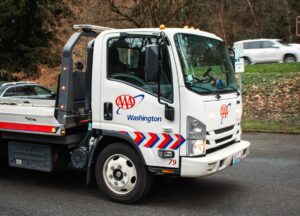
Furthermore, tractor decking is utilized in emergency recovery situations. When a tractor breaks down or becomes immobilized due to an accident or mechanical failure, professional towing services can provide assistance by safely loading the equipment onto a flatbed or lowboy trailer for transport to a repair facility. This highlights the importance of having reliable towing services available for quick response times in critical situations.
Benefits of Tractor Decking
The benefits of proper tractor decking extend beyond just safe transportation; they also encompass efficiency and cost-effectiveness. One significant advantage is the reduction in potential damage to equipment during transit. By using appropriate decking methods and securing the load correctly, operators can minimize wear and tear on their tractors, ultimately prolonging their lifespan.
Another benefit is improved operational efficiency. When tractors are loaded correctly, they can be transported more quickly and with fewer delays. This efficiency translates into reduced downtime for farmers and contractors who rely on their equipment to complete tasks on schedule. Additionally, proper tractor decking can help avoid costly accidents that may arise from improperly secured loads.
Moreover, using specialized trailers designed for tractor decking can enhance safety during transport. These trailers often come equipped with features such as anti-slip surfaces and adjustable tie-down points that make securing the load easier and more effective. This added layer of safety not only protects the equipment but also ensures compliance with transportation regulations.
If you’re interested in learning more about the various applications of tractor decking, you might find the article on heavy-duty trailers particularly insightful. This resource delves into how different types of trailers are designed to accommodate specific loads, including those that utilize tractor decking for enhanced stability and safety during transport. Understanding these concepts can greatly benefit anyone involved in logistics or transportation.
Maintenance and Care of Tractor Decking
| Tractor Decking | Usage |
|---|---|
| Definition | Tractor decking refers to the platform or area on a tractor where attachments or implements can be mounted or attached. |
| Types | There are various types of tractor decking, including rear and front decks, as well as mid-mount decks. |
| Applications | Tractor decking is used for attaching mowers, blades, tillers, and other implements to perform specific tasks such as mowing, tilling, and snow removal. |
| Benefits | It provides versatility and flexibility for tractor owners to customize their equipment for different tasks and applications. |
Maintaining tractor decking is essential for ensuring its longevity and effectiveness. Regular inspections should be conducted to check for any signs of wear or damage on the trailer or decking equipment. This includes examining tie-down points, ramps, and any hydraulic systems that may be present. Addressing any issues promptly can prevent more significant problems down the line.
Cleaning the trailer after each use is also crucial. Dirt, mud, and debris can accumulate on the deck and affect its performance. A clean surface allows for better traction when loading and unloading tractors, reducing the risk of accidents during these processes. Operators should also ensure that any rust or corrosion is addressed immediately to maintain the integrity of the trailer.
Additionally, operators should familiarize themselves with the manufacturer’s guidelines regarding maintenance schedules and recommended practices. Following these guidelines can help ensure that the trailer remains in optimal condition and continues to serve its purpose effectively.
If you’re interested in learning more about vehicle maintenance and safety, you might find the article on vehicle authorization quite helpful. It provides insights into the importance of ensuring that your vehicles are properly authorized for use, which can be crucial when considering practices like tractor decking. For more information, check out this related article.
Safety Considerations for Tractor Decking
Safety should always be a top priority when it comes to tractor decking. One of the most critical aspects is ensuring that the load is secured properly before transport. This involves using high-quality tie-down straps or chains that are rated for the weight of the tractor being transported. Operators should also be aware of weight distribution on the trailer; an uneven load can lead to instability during transit.
Another safety consideration is the use of ramps during loading and unloading.
Operators should ensure that ramps are positioned securely and are rated for the weight of the tractor being loaded.
Using ramps that are too steep or not properly secured can lead to accidents or injuries.
Training personnel involved in tractor decking is also essential. Operators should be educated on best practices for loading and securing equipment, as well as emergency procedures in case something goes wrong during transport. Regular safety drills can help reinforce these practices and ensure that everyone involved understands their roles.
Choosing the Right Tractor Decking for Your Needs
Selecting the right tractor decking requires careful consideration of several factors. First and foremost, operators should assess the type of tractors they will be transporting. Different models may have varying dimensions and weight capacities, which will influence the choice of trailer or decking method.
Next, consider the frequency of use. If you plan to transport tractors regularly, investing in a high-quality trailer designed specifically for this purpose may be worthwhile. On the other hand, if you only need to transport tractors occasionally, renting a trailer might be a more cost-effective option.
Additionally, evaluate any specific features you may need in a trailer. For example, if you frequently transport taller tractors, a lowboy trailer may be necessary to comply with height restrictions on roadways. Understanding your unique requirements will help you make an informed decision when choosing tractor decking.
Conclusion and Future Trends in Tractor Decking Technology
As technology continues to advance, so too does the field of tractor decking. Innovations such as automated loading systems and enhanced safety features are becoming more prevalent in modern trailers. These advancements aim to improve efficiency while minimizing risks associated with transporting heavy machinery.
Moreover, there is a growing emphasis on sustainability within the transportation industry. Future trends may include eco-friendly materials used in trailer construction or alternative fuel options for towing vehicles. As operators become more conscious of their environmental impact, these developments will likely shape the future of tractor decking.
In conclusion, understanding tractor decking is essential for anyone involved in transporting heavy machinery in Oklahoma City and beyond. By familiarizing yourself with the types available, their uses, benefits, maintenance requirements, safety considerations, and how to choose the right option for your needs, you can ensure safe and efficient transport of your equipment.
For reliable towing services that include expert tractor decking solutions in Oklahoma City, call Arrow Wrecker Service at (405) 943-1800 today! Visit us at 700 N. Villa Ave, Oklahoma City, OK 73107 for more information on our services.
FAQs
What is tractor decking?
Tractor decking refers to the process of using a tractor to transport materials or equipment on a flatbed trailer or platform attached to the back of the tractor.
When is tractor decking used?
Tractor decking is commonly used in agricultural settings to transport heavy equipment, such as plows, cultivators, or other farming implements. It is also used in construction and industrial settings to move materials and machinery around job sites.
What are the benefits of tractor decking?
Tractor decking allows for efficient transportation of heavy equipment and materials, reducing the need for manual labor and increasing productivity. It also provides a stable and secure platform for transporting large or awkwardly shaped items.
What types of tractors are used for decking?
Tractors used for decking are typically heavy-duty models with sufficient power and towing capacity to handle the weight of the materials or equipment being transported. These may include farm tractors, construction tractors, or industrial tractors.
Are there any safety considerations for tractor decking?
Yes, safety is a critical consideration when using tractor decking. It is important to ensure that the load is properly secured to the trailer and that the tractor operator is trained in safe towing practices. Additionally, regular maintenance of the tractor and trailer is essential to prevent accidents and equipment failure.