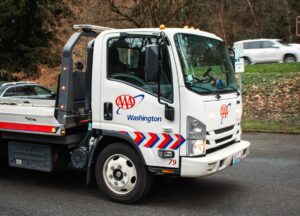
Heavy wrecker rotators are specialized vehicles designed for the demanding tasks of heavy-duty towing and recovery. Unlike standard tow trucks, these rotators are equipped with advanced technology that allows them to lift and maneuver heavy loads with precision. The unique design features a rotating boom that can pivot 360 degrees, enabling operators to access vehicles and equipment in challenging positions. This capability is particularly useful in situations where traditional towing methods may fall short, such as rollovers or when a vehicle is stuck in a precarious position.
The heavy wrecker rotator is not just a tool; it is an essential component of a comprehensive recovery strategy. These vehicles are often used in emergency situations, where time is of the essence, and the stakes are high. Their versatility allows them to handle a wide range of recovery scenarios, from large trucks and buses to construction equipment.
Understanding the mechanics and capabilities of heavy wrecker rotators is crucial for both operators and those in need of recovery services, as it sets the foundation for effective and safe operations.
For those interested in understanding the intricacies of heavy recovery operations, the article on how heavy wrecker rotators assist in complex recoveries provides valuable insights. It highlights the advanced technology and techniques used in the towing industry to handle challenging situations. To explore more about towing services and the capabilities of heavy wreckers, you can read the related article at Arrow Wrecker Towing Services.
Key Takeaways
- Understanding the Heavy Wrecker Rotator:
- Heavy wrecker rotators are specialized vehicles equipped with a rotating boom and winch system designed to recover large and heavy vehicles.
- Importance of Proper Equipment and Training:
- Proper equipment and training are crucial for operating heavy wrecker rotators safely and effectively, as they require specialized skills and knowledge.
- Benefits of Using Heavy Wrecker Rotators:
- Heavy wrecker rotators offer the ability to recover and tow heavy vehicles and equipment, providing a versatile solution for challenging recovery situations.
- Techniques for Maximizing Recovery with Heavy Wrecker Rotators:
- Techniques such as rigging, winching, and stabilizing are essential for maximizing recovery with heavy wrecker rotators, ensuring safe and efficient operations.
- Safety Considerations When Using Heavy Wrecker Rotators:
- Safety considerations include proper equipment maintenance, following industry standards, and implementing best practices to minimize risks during recovery operations.
Importance of Proper Equipment and Training
The effectiveness of heavy wrecker rotators hinges on the combination of proper equipment and skilled operators. Investing in high-quality rotators ensures that recovery teams have the tools necessary to handle various challenges. These vehicles are built to withstand the rigors of heavy-duty work, featuring robust frames, powerful winches, and advanced hydraulic systems. However, having the right equipment is only part of the equation; proper training is equally vital.
Operators must undergo extensive training to understand the intricacies of heavy wrecker rotators. This training includes learning about the vehicle’s capabilities, safety protocols, and recovery techniques. Knowledge of load limits, rigging methods, and environmental factors is essential for successful operations. A well-trained operator can make informed decisions on-site, ensuring that recovery efforts are executed safely and efficiently. The combination of top-tier equipment and skilled personnel ultimately leads to better outcomes in recovery situations.
Benefits of Using Heavy Wrecker Rotators
Heavy wrecker rotators offer numerous benefits that make them indispensable in the towing and recovery industry. One of the primary advantages is their ability to handle complex recovery scenarios with ease. The 360-degree rotation capability allows operators to position the boom precisely where it is needed, making it easier to recover vehicles that are overturned or stuck in difficult locations. This flexibility can significantly reduce the time required for recovery operations.
Another benefit is the enhanced safety features that come with heavy wrecker rotators. These vehicles are designed with stability in mind, often equipped with outriggers that provide additional support during lifting operations. This stability minimizes the risk of accidents during recovery, protecting both the operator and bystanders. Furthermore, the advanced technology integrated into these vehicles allows for more controlled movements, reducing the likelihood of damage to the vehicle being recovered or surrounding property.
Techniques for Maximizing Recovery with Heavy Wrecker Rotators
To maximize recovery efforts using heavy wrecker rotators, operators must employ specific techniques that enhance efficiency and safety.
One effective technique is proper rigging, which involves securing the load correctly before attempting to lift it.
This process requires a thorough understanding of weight distribution and load limits to ensure that the vehicle remains stable during recovery. Operators should always assess the situation carefully before rigging to determine the best approach.
Another technique involves utilizing the rotator’s boom effectively. Operators should familiarize themselves with the various angles and positions that can be achieved with the boom to optimize lifting capabilities. For instance, using a low angle can provide better leverage when lifting heavy objects, while a higher angle may be necessary for reaching over obstacles. Additionally, communication among team members is crucial during recovery operations; clear instructions can help coordinate movements and ensure everyone is aware of their roles.
In the realm of vehicle recovery, understanding the capabilities of heavy wrecker rotators is essential for tackling complex situations. For those interested in exploring this topic further, you can read a related article that delves into the various techniques and equipment used in recovery operations. This resource provides valuable insights into how professionals navigate challenging recoveries and the technology that supports their efforts. To learn more about these fascinating aspects of recovery work, visit Arrow Wrecker.
Safety Considerations When Using Heavy Wrecker Rotators
| Benefits of Heavy Wrecker Rotators in Complex Recoveries |
|---|
| Increased lifting capacity |
| Enhanced stability and control |
| Ability to handle larger and heavier vehicles |
| Improved maneuverability in tight spaces |
| Reduced risk of damage to the vehicle being recovered |
| Enhanced safety for operators and bystanders |
Safety is paramount when operating heavy wrecker rotators, given the potential hazards associated with heavy lifting and towing. Operators must adhere to strict safety protocols to minimize risks during recovery operations. One critical consideration is ensuring that all personnel on-site are aware of safety measures and emergency procedures. This includes wearing appropriate personal protective equipment (PPE) such as hard hats, gloves, and reflective vests.
Another important safety measure involves conducting thorough pre-operation checks on the heavy wrecker rotator. Operators should inspect all components, including hydraulic systems, winches, and safety features, before beginning any recovery task. Regular maintenance of the vehicle is also essential to ensure optimal performance and safety. By prioritizing safety at every stage of operation, recovery teams can protect themselves and others while effectively managing challenging situations.
Challenges and Solutions in Heavy Recovery Situations
Heavy recovery situations often present unique challenges that require innovative solutions. One common challenge is dealing with adverse weather conditions, such as rain or snow, which can affect traction and visibility. In such cases, operators must exercise caution and adjust their techniques accordingly. Utilizing additional equipment like sandbags or traction mats can help improve stability during recovery operations in slippery conditions.
Another challenge arises when recovering vehicles from difficult terrains, such as steep inclines or muddy areas. In these situations, operators may need to employ specialized techniques such as winching or using additional support vehicles to assist in the recovery process. Planning ahead and assessing the environment before beginning operations can help identify potential obstacles and allow for proactive measures to be taken.
Case Studies: Successful Recovery Operations with Heavy Wrecker Rotators
Examining real-world case studies can provide valuable insights into the effectiveness of heavy wrecker rotators in various recovery scenarios. For instance, one notable case involved a large commercial truck that had overturned on a busy highway during inclement weather. The heavy wrecker rotator was deployed to safely lift the truck back onto its wheels while ensuring minimal disruption to traffic flow. The operator utilized precise rigging techniques and coordinated efforts with law enforcement to manage the scene effectively.
In another case, a construction site faced a significant challenge when a piece of heavy machinery became stuck in mud after heavy rainfall. The heavy wrecker rotator was able to navigate the difficult terrain and successfully extract the equipment without causing further damage. These case studies highlight not only the capabilities of heavy wrecker rotators but also the importance of skilled operators who can adapt to varying circumstances.
Future Trends in Heavy Wrecker Rotator Technology
As technology continues to advance, so too does the potential for innovation in heavy wrecker rotator design and functionality. One emerging trend is the integration of smart technology into these vehicles, allowing for enhanced monitoring and diagnostics during operations. This technology can provide real-time data on load weights, hydraulic pressure, and other critical metrics, enabling operators to make informed decisions on-site.
Additionally, advancements in materials science may lead to lighter yet stronger components for heavy wrecker rotators, improving fuel efficiency without compromising performance. As environmental concerns grow, manufacturers may also focus on developing more eco-friendly options that reduce emissions while maintaining power and reliability. These trends indicate a promising future for heavy wrecker rotators, enhancing their capabilities and efficiency in recovery operations.
In conclusion, understanding heavy wrecker rotators is essential for anyone involved in towing and recovery services. The combination of proper equipment, skilled training, and adherence to safety protocols ensures successful outcomes in challenging situations. As technology continues to evolve, so too will the capabilities of these vital vehicles in Oklahoma City and beyond.
For reliable towing and recovery services in Oklahoma City, call Arrow Wrecker Service at (405) 943-1800 or visit us at 700 N. Villa Ave, Oklahoma City, OK 73107. Our team is ready to assist you 24/7 with professionalism and care.
FAQs
What is a heavy wrecker rotator?
A heavy wrecker rotator is a specialized towing and recovery vehicle equipped with a rotating crane that can lift and tow heavy vehicles and equipment, such as tractor-trailers, buses, and construction machinery.
How do heavy wrecker rotators help in complex recoveries?
Heavy wrecker rotators are designed to handle complex recovery situations, such as overturned or heavily damaged vehicles, by providing the necessary lifting and towing capabilities to safely and efficiently recover the vehicles and clear the scene.
What are the key features of heavy wrecker rotators?
Key features of heavy wrecker rotators include a rotating crane with a high lifting capacity, stabilizing outriggers for added stability during lifting operations, and advanced control systems for precise maneuvering and positioning.
What types of vehicles and equipment can heavy wrecker rotators recover?
Heavy wrecker rotators are capable of recovering a wide range of vehicles and equipment, including tractor-trailers, buses, RVs, construction machinery, and other large and heavy vehicles involved in accidents or breakdowns.
What are the benefits of using heavy wrecker rotators for complex recoveries?
The benefits of using heavy wrecker rotators for complex recoveries include faster clearance of accident scenes, reduced risk of further damage to vehicles and property, and the ability to handle challenging recovery situations with precision and efficiency.