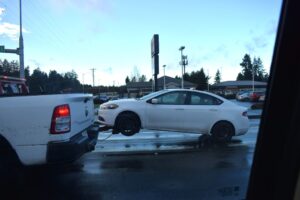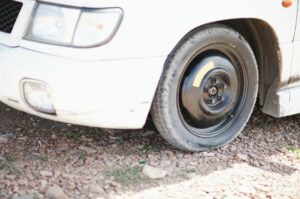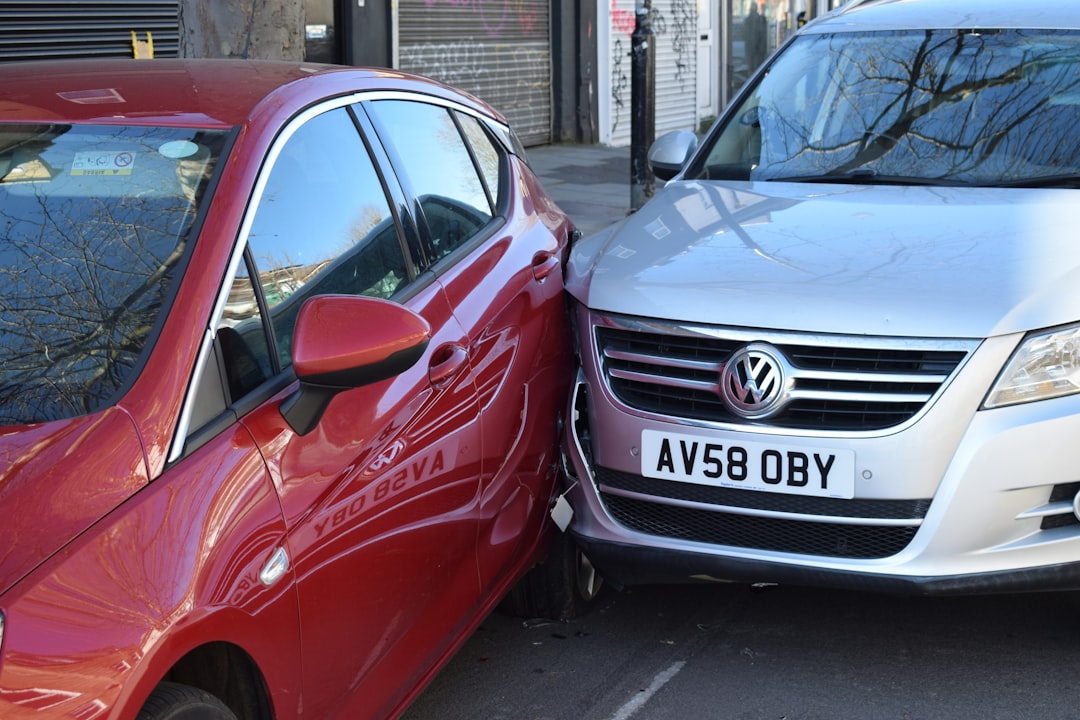
When you find yourself in a situation where your vehicle has broken down or is involved in an accident, the first step is to prioritize safety. If possible, steer your vehicle to the side of the road, away from traffic. This action not only protects you but also minimizes the risk of further accidents. Once you are safely off the road, take a moment to assess the situation. Is there visible damage to your vehicle? Are there any injuries? Understanding the extent of the problem will help you make informed decisions about your next steps.
While assessing the situation, it’s crucial to remain aware of your surroundings. Look for oncoming traffic and ensure that you are in a safe location. If you are on a busy highway or road, it may be wise to stay inside your vehicle with your seatbelt fastened until help arrives. This precaution can protect you from potential hazards, including passing vehicles.
Remember, your safety is the top priority, and taking a moment to evaluate the situation can make all the difference.
If you find yourself in a situation where your car breaks down on I-35, I-40, or I-44 near Oklahoma City, it’s essential to know the steps to take for your safety and to get help quickly. For more information on the terms and conditions related to roadside assistance services, you can refer to this helpful article on the Arrow Wrecker website. It provides valuable insights into what you can expect when you call for help and how to ensure a smooth experience during such stressful situations. For more details, visit this link.
Key Takeaways
- Pull over and assess the situation to ensure safety
- Contact roadside assistance or a towing service for help
- Use hazard lights and emergency reflective triangles to stay visible
- Keep a cool head and wait for assistance
- Provide clear directions to your exact location for help
Call for Help: Contact Roadside Assistance or a Towing Service
Once you have ensured your safety and assessed the situation, the next step is to call for help. If you have roadside assistance through your insurance or a membership service, now is the time to utilize it. These services can provide you with immediate support, whether it’s a simple jump-start or a tow to a nearby repair shop. If you do not have roadside assistance, contacting a local towing service like Arrow Wrecker Service can be an excellent option.
When calling for assistance, be prepared to provide essential information. This includes your exact location, a description of your vehicle, and details about the issue you are experiencing. The more information you can provide, the better equipped the service provider will be to assist you promptly. Remember that while it may be tempting to try and fix the problem yourself, it’s often safer and more efficient to leave it to the professionals.
Stay Visible: Use Hazard Lights and Emergency Reflective Triangles
Visibility is key when you are stranded on the side of the road. As soon as you pull over, turn on your hazard lights. This simple action alerts other drivers that you are experiencing difficulties and encourages them to give you space. In addition to hazard lights, consider using emergency reflective triangles if you have them in your vehicle. Placing these triangles at a safe distance behind your car can further enhance visibility and help prevent accidents.
It’s important to position these warning devices correctly. The first triangle should be placed approximately 100 feet behind your vehicle on the road, while additional triangles can be set up in front of your car if you are on a multi-lane highway. This setup provides ample warning for approaching vehicles and helps ensure that they can safely navigate around you. Staying visible not only protects you but also contributes to overall road safety.
Stay Calm: Keep a Cool Head and Wait for Assistance
In stressful situations like a vehicle breakdown, it’s easy to feel overwhelmed or anxious. However, staying calm is essential for making sound decisions and ensuring your safety. Take deep breaths and remind yourself that help is on the way. Use this time to gather your thoughts and consider what steps you need to take once assistance arrives.
While waiting for help, try to keep yourself occupied if possible. You might listen to music or a podcast, or even read a book if you have one handy. Keeping your mind engaged can help alleviate stress and make the wait feel shorter. Remember that professionals are trained to handle these situations, so trust that assistance will arrive soon.
If you find yourself in a situation where your car breaks down on I-35, I-40, or I-44 near Oklahoma City, it’s essential to know the steps to take for your safety and peace of mind. For additional guidance on legal rights and responsibilities in such scenarios, you can refer to this informative article on legal considerations related to vehicle breakdowns. Understanding these aspects can help you navigate the situation more effectively. For more details, check out the article here.
Know Your Location: Provide Clear Directions to Your Exact Location
| Highway | Emergency Contact | Tow Service | Nearest Gas Station |
|---|---|---|---|
| I-35 | Call 911 | AAA Towing: (405) 555-1234 | Shell Gas Station: 123 Main St. |
| I-40 | Call 911 | OKC Towing: (405) 555-5678 | Exxon Gas Station: 456 Elm St. |
| I-44 | Call 911 | Bob’s Towing: (405) 555-9012 | Chevron Gas Station: 789 Oak St. |
When contacting a towing service or roadside assistance, knowing your exact location is crucial for a timely response. If you are on a highway, look for mile markers or signs that indicate your location. If you are in an urban area, use landmarks or street names to describe where you are. Providing clear directions will help the service provider reach you quickly and efficiently.
If you have a smartphone, consider using GPS or mapping applications to share your location directly with the service provider. Many apps allow you to send your coordinates via text or call, which can eliminate any confusion about where you are located. The more precise your directions, the faster help can arrive.
If you find yourself in a situation where your car breaks down on I-35, I-40, or I-44 near OKC, it’s essential to know the steps to take for your safety and to get back on the road. One helpful resource to consider is a related article that discusses how to properly authorize vehicle towing services, ensuring you understand your options and rights. You can read more about it in this informative piece on vehicle authorization. This knowledge can be invaluable in navigating the challenges that arise during a roadside emergency.
Be Prepared: Keep Emergency Supplies in Your Car
Preparation is key when it comes to handling unexpected vehicle issues. Keeping an emergency kit in your car can make a significant difference in how well you manage a breakdown situation. Essential items to include in your kit are jumper cables, a flashlight with extra batteries, basic tools, first aid supplies, and non-perishable snacks and water.
Additionally, consider including items like a blanket for warmth if you’re stranded in cold weather and flares or reflective vests for added visibility during nighttime breakdowns. Regularly check your emergency supplies to ensure everything is in working order and replace any expired items as needed. Being prepared can provide peace of mind and make any roadside emergency more manageable.
Consider Your Options: Repair or Towing Services
Once help arrives, you’ll need to consider your options regarding repairs or towing services. Depending on the nature of the issue, it may be possible for a technician to fix your vehicle on-site. For example, if you’ve run out of gas or need a jump-start, these issues can often be resolved without needing a tow.
However, if your vehicle requires more extensive repairs or cannot be safely driven, towing may be necessary. Discuss your options with the service provider and ask for their professional opinion on whether repairs can be made on-site or if towing is the best course of action. Remember that each situation is unique, so weigh your options carefully before making a decision.
Follow Up: Stay in Touch with the Service Provider and Ensure Your Car is Taken Care Of
After your vehicle has been towed or repaired, it’s essential to follow up with the service provider to ensure everything is taken care of properly. If your car was taken to a repair shop, check in with them about the status of repairs and any necessary parts that may need to be ordered. Staying informed will help you understand what needs to be done and when you can expect your vehicle back.
Additionally, if you used roadside assistance or towing services, consider providing feedback about your experience. This feedback can help improve services for others in similar situations and ensure that quality remains high within the industry.
Remember that communication is key; staying in touch with service providers will help ensure that all aspects of your vehicle’s care are addressed.
In conclusion, dealing with a vehicle breakdown can be stressful, but by following these steps—prioritizing safety, calling for help, staying visible, remaining calm, knowing your location, being prepared with emergency supplies, considering repair options, and following up—you can navigate the situation more effectively. If you find yourself in need of assistance in Oklahoma City or surrounding areas, don’t hesitate to call Arrow Wrecker Service at (405) 943-1800 and mention 700 N. Villa Ave, Oklahoma City, OK 73107 for reliable support when you need it most.
FAQs
1. What should I do if my car breaks down on I-35, I-40, or I-44 near OKC?
If your car breaks down on any of these highways near OKC, the first thing to do is to safely pull over to the side of the road, turn on your hazard lights, and call for assistance.
2. How can I safely pull over if my car breaks down on the highway?
When your car breaks down on the highway, try to move to the right shoulder if possible. If you can’t make it to the right shoulder, try to get as far to the right as you can and turn on your hazard lights to alert other drivers.
3. What should I do after pulling over on the highway?
After pulling over, stay inside your vehicle with your seatbelt on and call for roadside assistance or emergency services. If you have reflective triangles or flares, you can place them behind your vehicle to alert other drivers.
4. What information should I provide when calling for assistance?
When calling for assistance, provide your location, a description of your vehicle, and any relevant details about the issue. If you have a roadside assistance service, be sure to provide them with your membership information.
5. How can I stay safe while waiting for assistance on the highway?
While waiting for assistance, it’s important to stay inside your vehicle with your seatbelt on, especially if it’s dark or visibility is poor. If someone stops to offer help, it’s best to politely decline and wait for professional assistance.