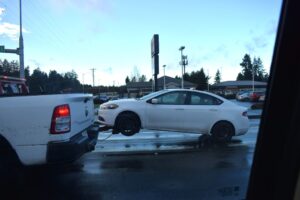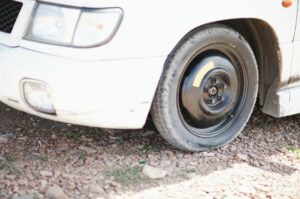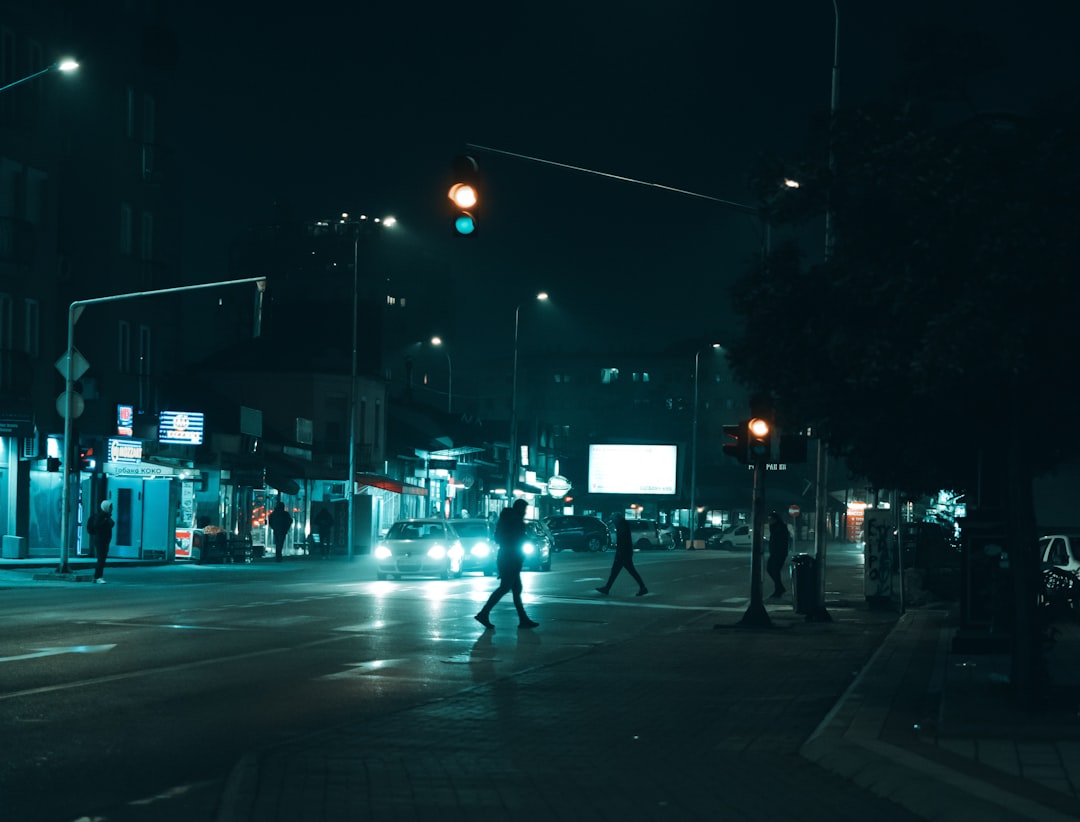
Experiencing a vehicle breakdown at night can be a daunting situation, especially when visibility is limited and the roads are less populated. Recognizing the early signs of a potential breakdown can help you take proactive measures to avoid being stranded in an unsafe environment. Common indicators include unusual noises from the engine, warning lights on the dashboard, or a sudden loss of power. If your vehicle begins to sputter or shake, it may be time to pull over and assess the situation before it escalates.
In addition to mechanical issues, environmental factors can also contribute to nighttime breakdowns. Poor weather conditions, such as rain or fog, can impair visibility and make driving hazardous. If you notice that your tires are losing traction or your headlights are dimming, it’s crucial to find a safe place to stop. Being aware of these signs not only helps you maintain control of your vehicle but also ensures your safety and the safety of others on the road.
In addition to the essential safety steps outlined in “Nighttime Breakdowns: Safety Steps Before the Tow Truck Arrives,” it’s important to be aware of your rights and privacy when dealing with roadside assistance services. For more information on how your personal data is handled during such situations, you can refer to the article on privacy policies at Arrow Wrecker’s Privacy Policy. Understanding these aspects can help ensure a smoother experience while you wait for help to arrive.
Key Takeaways
- Recognize signs of a nighttime breakdown, such as strange noises or dashboard warning lights.
- Ensure personal safety by pulling over to a safe location, turning on hazard lights, and staying inside the vehicle.
- Communicate with authorities by notifying the police and tow truck services of your location and situation.
- Utilize safety equipment like flares, reflective triangles, and flashlights to signal for help and avoid collisions.
- Stay inside the vehicle and keep emergency supplies on hand while waiting for assistance.
Ensuring Personal Safety: Steps to Take When Your Car Breaks Down at Night
When your vehicle breaks down at night, your first priority should be personal safety. If possible, steer your car to the side of the road or into a nearby parking lot.
This will help you avoid being in the path of oncoming traffic.
Once you’ve stopped, turn on your hazard lights to alert other drivers that you are experiencing difficulties.
This simple action can significantly reduce the risk of an accident while you wait for assistance.
After securing your vehicle, assess your surroundings. If you are in a well-lit area with other people nearby, it may be safer to remain outside your vehicle while waiting for help. However, if you find yourself in a secluded or poorly lit area, it’s advisable to stay inside your car with the doors locked. This provides an additional layer of security while you wait for a tow truck or roadside assistance to arrive.
Communicating with Authorities: Notifying the Police and Tow Truck Services
Once you have ensured your safety, it’s time to communicate with the appropriate authorities. If you feel that your situation poses a risk to yourself or other drivers, don’t hesitate to call the police. They can help manage traffic around your vehicle and ensure that you receive assistance as quickly as possible. When contacting law enforcement, provide them with your exact location and any relevant details about your vehicle and situation.
In addition to notifying the police, it’s essential to contact a reliable towing service like Arrow Wrecker Service. They specialize in 24/7 towing and recovery in Oklahoma City and can provide the assistance you need. When calling for a tow truck, be prepared to share information about your vehicle’s make and model, its location, and any specific issues you’re experiencing. This will help the towing service respond more effectively to your needs.
Utilizing Safety Equipment: Using Flares, Reflective Triangles, and Flashlights
Having safety equipment on hand can make a significant difference during a nighttime breakdown. Flares and reflective triangles are essential tools that can alert other drivers to your presence on the road. If you have flares, place them at a safe distance behind your vehicle to create a visible warning for approaching traffic. Reflective triangles can also be set up in a similar manner, providing an additional layer of visibility.
In addition to flares and triangles, having a flashlight is crucial for assessing your vehicle’s condition and signaling for help. A flashlight can illuminate dark areas around your car, allowing you to check for any visible issues or hazards. It can also be used to signal passing vehicles if you need assistance. Keeping these items in your vehicle ensures that you are prepared for unexpected situations, especially during nighttime breakdowns.
In the event of a nighttime breakdown, it’s essential to prioritize your safety while waiting for assistance. To further enhance your understanding of the necessary steps to take during such situations, you might find it helpful to read about vehicle authorization in our related article. This resource provides valuable insights into ensuring that your vehicle is properly managed during a tow, which can be crucial for a smooth recovery process. For more information, you can check out the article on vehicle authorization.
Staying Inside the Vehicle: Safety Precautions When Waiting for Assistance
| Step | Description |
|---|---|
| 1 | Turn on hazard lights |
| 2 | Exit the vehicle and stand away from traffic |
| 3 | Call for roadside assistance or tow truck |
| 4 | Use reflective triangles or flares to warn other drivers |
| 5 | Stay inside the vehicle if it’s not safe to stand outside |
While waiting for assistance after a breakdown, staying inside your vehicle is often the safest option, particularly if you are in an isolated area. Locking your doors and keeping windows rolled up can help protect you from potential threats while you wait for help to arrive. It’s also advisable to keep your seatbelt fastened until assistance arrives; this simple precaution can provide an extra layer of safety in case of an unexpected collision.
While inside your vehicle, use this time to gather information about your situation. Check your phone for battery life and ensure that you have access to emergency contacts. If you have roadside assistance through your insurance or a membership service, make sure to have that information readily available when contacting them for help. Staying calm and collected during this time will help you manage the situation more effectively.
Alerting Other Drivers: How to Signal for Help and Avoid Collisions
If you find yourself in a position where you need immediate assistance from other drivers, signaling for help is essential. Use your hazard lights as a primary means of alerting others that you are experiencing difficulties. In addition to hazard lights, waving your arms or using a flashlight can help draw attention to your situation, especially if there are few vehicles on the road.
However, it’s important to exercise caution when attempting to signal for help. Avoid stepping into traffic or putting yourself in harm’s way while trying to attract attention. Instead, stay close to your vehicle and use visible signals from a safe distance. This approach minimizes the risk of accidents while ensuring that other drivers are aware of your predicament.
Keeping Emergency Supplies: Items to Have on Hand in Case of a Nighttime Breakdown
Being prepared for a nighttime breakdown involves keeping essential emergency supplies in your vehicle at all times. A well-stocked emergency kit should include items such as water, non-perishable snacks, a first-aid kit, and basic tools like jumper cables and tire repair kits. These supplies can be invaluable during unexpected situations and can help you manage minor issues without needing immediate professional assistance.
In addition to these items, consider including warm blankets or extra clothing in case you have to wait for an extended period during colder months. A portable phone charger is also beneficial for ensuring that you can maintain communication with authorities or loved ones while waiting for help. By keeping these emergency supplies readily available, you can enhance your preparedness for any nighttime breakdown scenario.
Following Up: Steps to Take After Your Vehicle Has Been Towed Away
Once your vehicle has been safely towed away by a professional service like Arrow Wrecker Service, it’s important to follow up on any necessary steps regarding repairs or recovery. First, contact the towing company to confirm where your vehicle has been taken and any associated fees that may apply. Understanding these details will help you plan accordingly for retrieving your vehicle.
Next, assess any damage that may have occurred during the breakdown or towing process. If necessary, consult with a trusted mechanic or repair shop to evaluate the condition of your vehicle before making any decisions about repairs or replacements. Keeping records of all communications with towing services and repair shops will also be beneficial should any disputes arise later on.
In conclusion, experiencing a nighttime breakdown can be stressful and potentially dangerous; however, being prepared and knowing how to respond can significantly improve your safety and peace of mind during such situations. By recognizing the signs of trouble early on, ensuring personal safety, communicating effectively with authorities, utilizing safety equipment, staying inside your vehicle when necessary, alerting other drivers appropriately, keeping emergency supplies on hand, and following up after towing services have been rendered, you can navigate these challenges more effectively.
If you find yourself in need of assistance during a nighttime breakdown in Oklahoma City or surrounding areas, don’t hesitate to call Arrow Wrecker Service at (405) 943-1800. Our team is available 24/7 to provide reliable towing and recovery services at 700 N. Villa Ave, Oklahoma City, OK 73107. Your safety is our priority; we’re here to help when you need it most.
FAQs
What are common causes of nighttime breakdowns?
Common causes of nighttime breakdowns include flat tires, dead batteries, engine issues, and running out of fuel. Additionally, poor visibility and fatigue can contribute to nighttime breakdowns.
What safety steps should be taken before the tow truck arrives?
Before the tow truck arrives, it is important to turn on hazard lights, move the vehicle to a safe location if possible, and use reflective triangles or flares to alert other drivers. It is also important to stay inside the vehicle and call for assistance.
How can drivers prepare for potential nighttime breakdowns?
Drivers can prepare for potential nighttime breakdowns by keeping a roadside emergency kit in their vehicle, which may include items such as a flashlight, jumper cables, a reflective vest, and a first aid kit. Regular vehicle maintenance can also help prevent breakdowns.
What should drivers do if they are unable to move their vehicle to a safe location?
If drivers are unable to move their vehicle to a safe location, they should turn on hazard lights, stay inside the vehicle with seat belts fastened, and call for assistance. It is important to remain visible to other drivers and avoid standing on the roadway.
What precautions should be taken when waiting for a tow truck at night?
When waiting for a tow truck at night, it is important to remain inside the vehicle with doors locked and windows rolled up. If approached by a stranger, it is best to ask them to call for help from a safe distance. It is also important to stay alert and be cautious of surroundings.