High winds can pose significant risks to drivers, especially those towing trailers or heavy loads. When wind speeds increase, the stability of your vehicle and trailer can be compromised, leading to dangerous situations on the road. The aerodynamic drag created by high winds can push against your trailer, causing it to sway or even tip over. This is particularly true for lighter trailers, which are more susceptible to being affected by gusts of wind. Understanding these risks is crucial for anyone who regularly tows a trailer, as it allows for better preparation and safer driving practices.
Moreover, high winds can create hazardous conditions not just for the towing vehicle but also for other road users. A trailer that is swaying or unstable can lead to accidents involving other vehicles, pedestrians, or even stationary objects. It’s essential to recognize that high winds can change suddenly, and what may seem like a calm day can quickly turn into a challenging driving experience. Being aware of weather forecasts and wind advisories can help you make informed decisions about when to travel and when to seek shelter.
For those looking to enhance their knowledge on safety measures during adverse weather conditions, a related article titled “Understanding the Risks of Towing in High Winds” offers valuable insights. This resource delves into the challenges faced when towing trailers in windy conditions and provides practical tips for ensuring both your trailer and cargo remain secure. To read more, visit Understanding the Risks of Towing in High Winds.
Key Takeaways
- High winds can pose serious risks to trailer safety, including swaying, tipping, and loss of control.
- Properly securing your trailer hitch and coupler is essential to prevent detachment during high winds.
- Choosing the right tie-down straps and chains can help keep your cargo secure and prevent shifting in windy conditions.
- Regularly checking and maintaining your trailer tires is crucial for safe towing in high winds.
- Protecting your cargo with tarp and covers can prevent damage from wind, rain, and debris during transport.
Securing Your Trailer Hitch and Coupler
One of the most critical aspects of towing safely in high winds is ensuring that your trailer hitch and coupler are secure. A loose or improperly attached hitch can lead to catastrophic failures, especially when faced with strong gusts. Before hitting the road, take the time to inspect your hitch and coupler thoroughly. Ensure that all bolts are tightened to the manufacturer’s specifications and that the coupler is properly latched onto the hitch ball. A simple visual inspection can go a long way in preventing accidents.
In addition to checking the hitch itself, it’s also important to consider the safety chains. These chains serve as a backup connection between your towing vehicle and trailer, providing an extra layer of security should the coupler fail. Make sure that the chains are crossed beneath the hitch and are not too loose or too tight. This will help keep the trailer stable in case of sudden movements caused by wind. Taking these precautions can significantly reduce the risk of losing control of your trailer while driving in adverse weather conditions.
Choosing the Right Tie-Down Straps and Chains
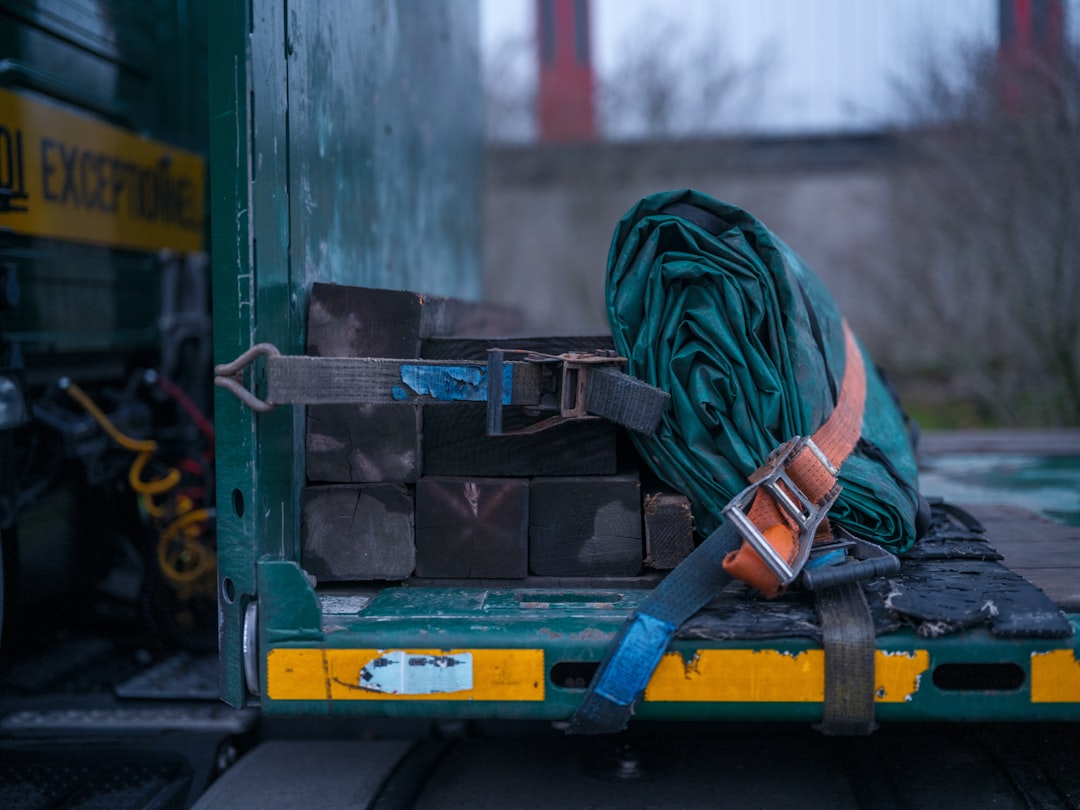
Selecting appropriate tie-down straps and chains is essential for securing your cargo effectively, especially when facing high winds. The right equipment will not only keep your load in place but also minimize the risk of shifting or becoming dislodged during transit. When choosing tie-downs, look for those that are rated for the weight of your cargo and are made from durable materials that can withstand harsh conditions. Ratchet straps are often preferred for their ability to provide a secure hold, while chains may be more suitable for heavier loads.
It’s also important to understand how to properly use these tie-downs. Ensure that you are using enough straps or chains to secure your cargo adequately, as relying on a single strap may not provide sufficient support. Additionally, make sure that the tie-downs are positioned at appropriate angles to distribute the load evenly across the trailer. This will help prevent any shifting that could occur due to wind gusts. Regularly inspect your tie-downs for wear and tear, replacing any damaged equipment before embarking on your journey.
Checking and Maintaining Your Trailer Tires
The condition of your trailer tires plays a crucial role in ensuring safe towing, particularly in windy conditions. Properly inflated tires provide better traction and stability, which is essential when navigating through gusty weather. Before you set out on your trip, check the tire pressure of all your trailer tires, ensuring they meet the manufacturer’s recommended levels. Under-inflated tires can lead to poor handling and increased risk of blowouts, while over-inflated tires may reduce traction.
In addition to checking tire pressure, it’s important to inspect the tread depth and overall condition of your tires. Worn-out tires can significantly affect your ability to control the trailer in high winds. Look for any signs of damage, such as cracks or bulges, and replace any tires that show significant wear. Regular maintenance of your trailer tires not only enhances safety but also extends their lifespan, making it a worthwhile investment for any towing operation.
When preparing for high winds, it’s essential to consider not only your trailer but also the safety of your cargo. A related article that provides valuable insights on securing your load can be found trailer safety.
Adjusting Your Driving and Speed in High Winds
Driving in high winds requires a different approach than normal conditions. It’s essential to adjust your speed and driving style to maintain control over your vehicle and trailer. Reducing your speed is one of the most effective ways to enhance stability; slower speeds allow for better reaction times and reduce the impact of wind gusts on your trailer. Be mindful of how wind affects your vehicle’s handling; if you feel significant swaying or pulling, it may be necessary to slow down even further.
In addition to adjusting your speed, be aware of how you navigate turns and lane changes. High winds can cause sudden shifts in your trailer’s position, so make gradual movements rather than sharp turns. Keep both hands on the steering wheel at all times for better control, and maintain a safe distance from other vehicles on the road. By adopting these driving strategies, you can significantly reduce the risks associated with towing in windy conditions.
Finding Shelter and Safe Parking in High Winds
When faced with high winds while towing, finding shelter becomes crucial for ensuring safety. If you notice that wind speeds are increasing or if you feel uncomfortable controlling your vehicle, look for a safe place to pull over until conditions improve. Ideally, seek out parking areas that are shielded from wind exposure, such as those located near buildings or natural barriers like trees or hills.
If you must stop on the side of the road, ensure that you are well off the travel lane and use hazard lights to alert other drivers of your presence. Avoid parking under trees or power lines that could potentially fall due to strong gusts. Taking these precautions will help protect both you and your cargo from potential hazards associated with high winds.
Regular Inspections and Maintenance for Trailer Safety
Regular inspections and maintenance are vital components of safe towing practices, especially when dealing with challenging weather conditions like high winds. Establishing a routine inspection schedule allows you to identify potential issues before they become serious problems on the road. Check all components of your trailer, including brakes, lights, tires, and hitch connections, ensuring everything is functioning correctly.
In addition to routine inspections, consider keeping a maintenance log for your trailer. Documenting repairs and maintenance tasks will help you stay organized and ensure that nothing is overlooked over time. By prioritizing regular inspections and maintenance, you can enhance the safety of your towing operations while minimizing the risk of accidents caused by equipment failure.
In conclusion, understanding how to navigate high winds while towing is essential for ensuring safety on Oklahoma roads. By taking proactive measures such as securing your hitch, choosing appropriate tie-downs, maintaining tire health, protecting cargo with tarps, adjusting driving habits, finding safe parking options, and conducting regular inspections, you can significantly reduce risks associated with adverse weather conditions.
If you find yourself in need of assistance while towing in challenging conditions or require professional towing services in Oklahoma City, don’t hesitate to reach out to Arrow Wrecker Service at (405) 943-1800. Our team is available 24/7 to provide reliable support when you need it most. Visit us at 700 N. Villa Ave, Oklahoma City, OK 73107 for more information about our services.
FAQs
1. What are some tips for securing a trailer and cargo during high winds?
Some tips for securing a trailer and cargo during high winds include using tie-down straps, securing loose items, checking tire pressure, and using a trailer hitch lock.
2. How can tie-down straps help keep a trailer and cargo safer during high winds?
Tie-down straps can help keep a trailer and cargo safer during high winds by securing items in place and preventing them from shifting or flying off the trailer.
3. Why is it important to secure loose items on a trailer during high winds?
It is important to secure loose items on a trailer during high winds to prevent them from becoming airborne projectiles that can cause accidents or damage to other vehicles.
4. What role does tire pressure play in keeping a trailer and cargo safe during high winds?
Proper tire pressure is important for keeping a trailer and cargo safe during high winds as it ensures better traction and stability, reducing the risk of accidents or rollovers.
5. How can a trailer hitch lock help prevent theft and keep the trailer and cargo secure during high winds?
A trailer hitch lock can help prevent theft and keep the trailer and cargo secure during high winds by securing the trailer to the towing vehicle, reducing the risk of it becoming detached and causing accidents.