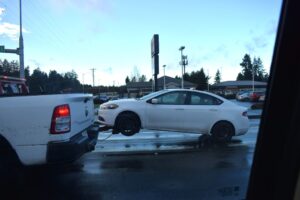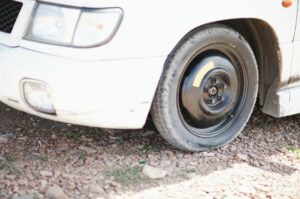
In the world of transportation and logistics, breakdowns are an unfortunate reality that can disrupt operations and lead to significant delays. Understanding the importance of breakdown planning is crucial for any organization that relies on vehicles for its daily operations. A well-thought-out breakdown plan not only minimizes downtime but also ensures the safety of drivers and passengers. When a vehicle experiences a mechanical failure, having a clear strategy in place can make all the difference in how quickly and effectively the situation is resolved.
Breakdown planning involves anticipating potential issues and preparing for them in advance. This proactive approach allows companies to respond swiftly when a breakdown occurs, reducing the impact on schedules and customer service. By recognizing the importance of having a structured plan, organizations can foster a culture of safety and preparedness, ultimately leading to improved operational efficiency.
A comprehensive breakdown plan serves as a roadmap for drivers and dispatchers, guiding them through the necessary steps to take when faced with unexpected vehicle issues.
For those interested in enhancing their fleet management strategies, a related article titled “Legal Considerations for Fleet Operators” can provide valuable insights. This piece discusses the legal aspects that fleet managers should be aware of, including compliance with regulations and risk management practices. You can read more about it here: Legal Considerations for Fleet Operators. This article complements the concepts presented in “Breakdown Planning for Fleets: A Practical Dispatch Playbook” by addressing the legal framework within which fleet operations must function.
Key Takeaways
- Breakdown planning is crucial for minimizing downtime and maintaining operational efficiency.
- A comprehensive breakdown plan should include clear protocols, designated responsibilities, and contingency measures.
- Utilizing technology such as GPS tracking and fleet management software can streamline breakdown management.
- Training dispatchers and drivers on breakdown protocols is essential for a swift and coordinated response.
- Establishing clear communication protocols and maintaining open lines of communication is key in breakdown situations.
Creating a Comprehensive Breakdown Plan
Creating a comprehensive breakdown plan requires careful consideration of various factors that can affect vehicle performance. The first step is to assess the types of vehicles in your fleet and their specific vulnerabilities. Different vehicles may have unique maintenance needs or common failure points, so understanding these nuances is essential. Once you have identified potential issues, you can develop protocols for addressing them, including guidelines for reporting breakdowns, assessing damage, and determining whether repairs can be made on-site or if towing is necessary.
In addition to outlining procedures for handling breakdowns, a comprehensive plan should also include contact information for local towing services, repair shops, and emergency services. This information should be easily accessible to all drivers and dispatchers, ensuring that they can quickly reach out for assistance when needed. Furthermore, it’s beneficial to establish a checklist that drivers can follow during a breakdown situation. This checklist should include steps such as securing the vehicle, assessing the situation, and communicating with dispatch to ensure that everyone is informed and prepared to act.
Utilizing Technology for Efficient Breakdown Management
In today’s digital age, technology plays a pivotal role in enhancing breakdown management processes. Utilizing technology can streamline communication between drivers and dispatchers, making it easier to coordinate responses to breakdowns. For instance, GPS tracking systems allow dispatchers to monitor the location of vehicles in real-time, enabling them to send assistance promptly. Additionally, mobile applications can facilitate communication by allowing drivers to report issues directly from their smartphones, providing dispatchers with immediate updates on the situation.
Moreover, technology can assist in diagnosing vehicle problems before they escalate into major breakdowns. Advanced telematics systems can monitor engine performance and alert drivers to potential issues, allowing them to take preventive measures before a breakdown occurs. By leveraging these technological advancements, organizations can improve their response times and reduce the likelihood of unexpected vehicle failures. Ultimately, integrating technology into breakdown management not only enhances efficiency but also contributes to overall safety on the road.
Training Dispatchers and Drivers on Breakdown Protocols
Training is a critical component of effective breakdown management. Both dispatchers and drivers must be well-versed in the protocols established in the breakdown plan to ensure a coordinated response when issues arise. Regular training sessions should be conducted to familiarize staff with the procedures for reporting breakdowns, assessing vehicle conditions, and communicating with service providers. This training should also cover safety measures that need to be taken during a breakdown situation, such as using hazard lights and ensuring that passengers are safe.
In addition to initial training, ongoing education is essential to keep staff updated on any changes to protocols or new technologies being implemented. Role-playing scenarios can be an effective way to reinforce training, allowing dispatchers and drivers to practice their responses in a controlled environment. By investing in comprehensive training programs, organizations can empower their teams to handle breakdown situations confidently and efficiently, ultimately leading to better outcomes for both the company and its customers.
In the realm of fleet management, understanding the intricacies of effective dispatch strategies is crucial for optimizing operations. A related article that delves deeper into this topic is “Fleet Management Best Practices,” which provides valuable insights on enhancing efficiency and reducing downtime. You can explore it further by visiting this link. By integrating the principles from both resources, fleet managers can develop a comprehensive approach to breakdown planning and dispatching that ultimately leads to improved service delivery.
Establishing Communication Protocols for Breakdown Situations
| Metrics | Value |
|---|---|
| Number of Vehicles | 100 |
| Number of Drivers | 75 |
| Breakdowns per Month | 25 |
| Response Time | 2 hours |
| Cost per Breakdown | 500 |
Effective communication is vital during breakdown situations, as it ensures that all parties involved are informed and able to respond appropriately. Establishing clear communication protocols can help streamline the process of managing a breakdown. This includes defining who should be contacted first when a breakdown occurs—whether it’s dispatch, roadside assistance, or emergency services—and outlining the information that needs to be communicated.
For instance, drivers should be trained to provide specific details about their location, the nature of the problem, and any immediate safety concerns when reporting a breakdown. Dispatchers should also have access to this information so they can coordinate assistance effectively. Additionally, utilizing two-way communication tools such as radios or mobile apps can enhance real-time communication between drivers and dispatchers, allowing for quick decision-making and support during emergencies.
Implementing Preventative Maintenance Measures
Preventative maintenance is an essential aspect of minimizing breakdowns and ensuring the longevity of vehicles in your fleet. By implementing regular maintenance schedules, organizations can identify potential issues before they lead to significant problems on the road. This includes routine inspections of critical components such as brakes, tires, engines, and electrical systems. Keeping detailed records of maintenance activities can also help track patterns and identify vehicles that may require more frequent attention.
In addition to scheduled maintenance, educating drivers about basic vehicle care can empower them to take proactive measures while on the road. Simple practices such as checking tire pressure regularly or monitoring fluid levels can go a long way in preventing unexpected breakdowns. By fostering a culture of preventative maintenance within your organization, you not only enhance vehicle reliability but also promote safety among drivers and passengers alike.
Developing a Network of Reliable Service Providers
Having a network of reliable service providers is crucial for effective breakdown management. This network should include towing companies, repair shops, and emergency services that are familiar with your organization’s needs and standards. Establishing relationships with these providers allows for quicker response times when breakdowns occur, as they will already understand your protocols and expectations.
When selecting service providers, it’s important to consider factors such as their reputation for reliability, response times, and quality of service. Regularly reviewing these partnerships ensures that you are working with the best providers available. Additionally, maintaining open lines of communication with these partners can facilitate smoother operations during breakdown situations. By developing a strong network of service providers, organizations can enhance their overall response capabilities and ensure that help is readily available when needed.
Analyzing and Improving Breakdown Response Times
Analyzing response times during breakdown situations is essential for continuous improvement in your organization’s operations. By tracking how long it takes from the moment a breakdown is reported until assistance arrives, you can identify areas for improvement in your processes. This analysis may reveal bottlenecks in communication or delays in dispatching help that need to be addressed.
Once you have gathered data on response times, it’s important to implement changes based on your findings. This could involve refining communication protocols, enhancing training programs for dispatchers and drivers, or even reevaluating your network of service providers to ensure they meet your response time expectations.
Regularly reviewing these metrics will help you stay proactive in improving your breakdown management strategies over time.
In conclusion, effective breakdown planning is essential for any organization that relies on vehicles for its operations. By creating comprehensive plans, utilizing technology, training staff, establishing communication protocols, implementing preventative measures, developing reliable service networks, and analyzing response times, organizations can significantly enhance their ability to manage breakdown situations efficiently. For assistance with towing or recovery services in Oklahoma City or surrounding areas, call Arrow Wrecker Service at (405) 943-1800 or visit us at 700 N. Villa Ave., Oklahoma City, OK 73107.
FAQs
What is breakdown planning for fleets?
Breakdown planning for fleets involves creating a strategic plan to manage and respond to breakdowns of vehicles within a fleet. This includes developing protocols for dispatching assistance, coordinating repairs, and minimizing downtime.
Why is breakdown planning important for fleets?
Breakdown planning is important for fleets because it helps minimize disruptions to operations, reduces downtime, and ensures that vehicles are back on the road as quickly as possible. It also helps maintain customer satisfaction and reduces the risk of costly delays.
What are some key components of a practical dispatch playbook for breakdown planning?
Key components of a practical dispatch playbook for breakdown planning include establishing clear communication protocols, identifying reliable service providers, creating a system for tracking and prioritizing breakdowns, and developing contingency plans for unexpected situations.
How can fleet managers improve their breakdown planning process?
Fleet managers can improve their breakdown planning process by regularly reviewing and updating their dispatch playbook, conducting training for staff on proper procedures, implementing technology for real-time tracking and communication, and establishing partnerships with trusted repair and towing services.
What are the benefits of effective breakdown planning for fleets?
The benefits of effective breakdown planning for fleets include reduced downtime, improved operational efficiency, enhanced customer satisfaction, cost savings from minimized disruptions, and a more proactive approach to vehicle maintenance and repair.