When participating in an auction, it is crucial to have a clear understanding of the various fees that can impact your overall expenditure. Auction fees can vary significantly depending on the auction house, the type of auction, and the specific terms of sale. Typically, buyers should expect to encounter a buyer’s premium, which is a percentage added to the final bid amount. This fee compensates the auction house for their services and can range from 5% to 15% or more. It’s essential to factor this into your budget before placing a bid, as it can substantially increase the total cost of your purchase.
In addition to the buyer’s premium, there may be other costs associated with the auction process. These can include registration fees, which are often required to participate in the bidding, and any applicable taxes that may be levied on your purchase. Some auctions may also charge fees for additional services, such as online bidding or catalog access. Understanding these costs upfront will help you avoid any surprises and ensure that you are fully prepared for the financial commitment involved in buying at auction.
When considering the intricacies of purchasing a vehicle at auction, it’s essential to be well-informed about various factors such as fees, pickup timing, and planning ahead. A related article that delves deeper into the auction process and offers valuable insights is available at Arrow Wrecker. This resource provides guidance on what to expect during an auction and tips for ensuring a successful buying experience.
Key Takeaways
- Understanding Auction Fees: A Breakdown of Costs
- Timing is Everything: The Importance of Pickup Timing
- Planning Ahead: Researching and Setting a Budget
- Hidden Costs: Factoring in Transportation and Inspection Fees
- Avoiding Buyer’s Remorse: Tips for Making Informed Bids
Timing is Everything: The Importance of Pickup Timing
Timing plays a critical role in the auction process, particularly when it comes to picking up your newly acquired vehicle or item. After winning a bid, it is essential to adhere to the auction house’s specified pickup schedule. Many auction houses have strict timelines for when items must be collected, and failing to comply can result in additional fees or even forfeiture of your purchase. Therefore, it is advisable to plan your pickup in advance and ensure that you have the necessary transportation arranged.
Moreover, picking up your item promptly allows you to inspect it thoroughly before finalizing your purchase. This is especially important for vehicles, as you want to ensure that everything is in working order and that there are no hidden issues that could lead to costly repairs down the line.
By being proactive about your pickup timing, you can mitigate potential problems and ensure a smoother transition from auction to ownership.
Planning Ahead: Researching and Setting a Budget
Before attending an auction, it is vital to conduct thorough research and establish a clear budget. Start by identifying the types of vehicles or items you are interested in and gathering information about their market value. This will help you set realistic expectations for what you are willing to spend. Additionally, consider any potential costs associated with repairs or modifications that may be necessary after your purchase.
Setting a budget is not just about determining how much you can afford to spend; it also involves considering all associated costs, including auction fees, taxes, and transportation expenses. By creating a comprehensive budget that accounts for these factors, you can make informed decisions during the bidding process and avoid overspending. Remember that auctions can be competitive environments, and having a well-defined budget will help you stay focused and disciplined.
Hidden Costs: Factoring in Transportation and Inspection Fees
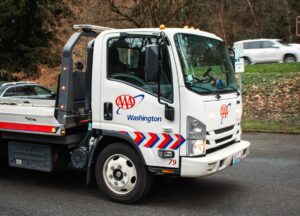
While many buyers focus primarily on the bid amount and buyer’s premium, it is essential to consider hidden costs that can arise after winning an auction. Transportation fees are one such expense that can catch buyers off guard. Depending on the location of the auction and where you need the item delivered, transportation costs can vary significantly. It is wise to obtain quotes from towing or transport services ahead of time so that you can factor these costs into your overall budget.
Inspection fees are another potential hidden cost that buyers should be aware of. Some auction houses may offer inspection services for vehicles or items prior to bidding, which can provide valuable insights into their condition. However, these services often come with a fee. If you choose to have an item inspected after winning the bid, be prepared for additional costs associated with this process as well. By anticipating these hidden expenses, you can better prepare yourself financially and avoid any unpleasant surprises.
When considering the intricacies of purchasing a vehicle at auction, it’s essential to be aware of various factors such as fees, pickup timing, and the importance of planning ahead. For those looking for additional guidance on how to navigate the auction process effectively, you might find it helpful to read a related article that discusses essential tips and strategies. This resource can provide valuable insights that complement your understanding of the auction experience. To learn more, you can visit this article for further information.
Avoiding Buyer’s Remorse: Tips for Making Informed Bids
| Fee Type | Cost |
|---|---|
| Buyer’s Premium | 10% of winning bid |
| Registration Fee | 50 – 200 |
| Storage Fee | 25 per day after pickup deadline |
| Transportation Fee | Varies by distance |
| Pickup Timing | Within 3-5 business days of purchase |
| Planning Ahead | Research auction rules and policies |
Buyer’s remorse is a common experience among auction participants, often stemming from impulsive bidding decisions made in the heat of the moment. To avoid this feeling of regret after an auction, it is crucial to approach bidding with a clear strategy and informed mindset. One effective way to do this is by setting a maximum bid limit based on your research and budget. This limit should reflect what you believe the item is worth while considering any potential repair or restoration costs.
Additionally, take the time to thoroughly inspect any items you are interested in before placing a bid. If possible, attend preview events or schedule inspections ahead of time to assess the condition of vehicles or items firsthand. This will help you make more informed decisions during the bidding process and reduce the likelihood of regretting your purchase later on.
The Power of Patience: Waiting for the Right Vehicle
In the world of auctions, patience can be a valuable asset. While it may be tempting to jump at the first vehicle that catches your eye, taking the time to wait for the right opportunity can lead to more satisfying purchases in the long run. Auctions often feature a wide variety of vehicles over time, so if you don’t find what you’re looking for at one event, there will likely be other opportunities in the future.
By exercising patience, you can also avoid making hasty decisions driven by excitement or competition among bidders. Instead of rushing into a purchase, take the time to evaluate your options carefully and wait for a vehicle that meets your criteria in terms of condition, price, and overall value. This approach not only helps you make more informed decisions but also increases your chances of finding a vehicle that truly fits your needs.
Negotiating with Confidence: Tips for Haggling at Auctions
Negotiation is an integral part of the auction experience, and approaching it with confidence can significantly enhance your chances of securing a favorable deal. One key tip for successful negotiation is to remain calm and composed throughout the bidding process. Emotional reactions can lead to impulsive decisions that may not align with your budget or goals.
Additionally, do your homework before entering the auction room. Familiarize yourself with comparable sales data and market trends related to the items you are interested in. This knowledge will empower you during negotiations and provide you with leverage when discussing prices with sellers or auctioneers. Remember that negotiation is not just about getting the lowest price; it’s also about finding a fair deal that satisfies both parties involved.
Making the Most of Your Purchase: Tips for Reselling and Maximizing Value
Once you’ve successfully acquired a vehicle or item at auction, it’s essential to consider how you can maximize its value if you plan to resell it in the future. One effective strategy is to invest in necessary repairs or enhancements that will improve its condition and appeal to potential buyers. A well-maintained vehicle or item is more likely to attract interest and command a higher price when it comes time to sell.
Additionally, consider marketing strategies that highlight the unique features or benefits of your purchase. High-quality photographs and detailed descriptions can make a significant difference when listing items for sale online or through other channels. By presenting your purchase in an appealing manner and showcasing its value, you increase your chances of achieving a successful resale.
In conclusion, navigating the world of auctions requires careful planning, research, and strategic decision-making. By understanding auction fees, timing your pickups effectively, setting a budget, factoring in hidden costs, avoiding buyer’s remorse, exercising patience, negotiating confidently, and maximizing resale value, you can enhance your overall auction experience and make informed purchases that align with your goals.
If you’re ready to explore auction opportunities or need assistance with transportation after winning an item, call (405) 943-1800 today! Our team at Arrow Wrecker Service is here to help you navigate every step of the process safely and efficiently from our location at 700 N. Villa Ave, Oklahoma City, OK 73107.
FAQs
What are the typical fees associated with buying a vehicle at auction?
Typical fees associated with buying a vehicle at auction may include a buyer’s premium, registration fee, and possibly a documentation fee. It’s important to carefully review the auction terms and conditions to understand all potential fees.
When is the pickup timing for a vehicle purchased at auction?
The pickup timing for a vehicle purchased at auction varies depending on the specific auction house and their policies. Some auctions may require immediate pickup, while others may allow for a grace period of a few days. It’s important to clarify the pickup timing before bidding on a vehicle.
What should I consider when planning ahead for buying a vehicle at auction?
When planning ahead for buying a vehicle at auction, it’s important to research the vehicles available, set a budget, and carefully review the auction terms and conditions. Additionally, consider transportation arrangements for the purchased vehicle and any potential repair or maintenance costs.
Are there any additional costs to consider when buying a vehicle at auction?
In addition to the typical fees, there may be additional costs to consider when buying a vehicle at auction. These may include transportation costs to move the vehicle from the auction site, potential repair or maintenance costs, and any applicable taxes or registration fees.
What are some tips for successfully buying a vehicle at auction?
Some tips for successfully buying a vehicle at auction include thoroughly inspecting the vehicle beforehand, setting a maximum bid and sticking to it, understanding the auction process and terms, and being prepared to act quickly. It’s also important to have a clear understanding of the total costs involved in purchasing the vehicle.