When your vehicle refuses to start, it can be a frustrating experience, especially if you have places to be or appointments to keep. The first step in addressing this problem is to identify the underlying issue. A vehicle that won’t start can be the result of various factors, ranging from a dead battery to a malfunctioning ignition system. Understanding the symptoms can help you narrow down the potential causes and determine the best course of action.
Common signs that indicate a starting issue include a clicking sound when you turn the key, dim dashboard lights, or no response at all. If you hear a clicking noise, it may suggest that the battery has insufficient power to start the engine. On the other hand, if the dashboard lights are dim or completely off, it could indicate a more severe battery issue or a problem with the electrical system. By paying attention to these symptoms, you can better assess whether the problem lies with the battery, starter, or another component of your vehicle.
If you’re facing issues with a vehicle that won’t start, you might find it helpful to read our related article on vehicle auctions, which can provide insights into purchasing a reliable used car. This article discusses the benefits of buying from auctions and what to look for to ensure you make a smart investment. For more information, check out the article here: Vehicle Auctions: A Smart Way to Buy Used Cars.
Key Takeaways
- If your vehicle won’t start, the issue could be related to the battery, alternator, starter, or ignition system.
- Jump starting the vehicle can be a quick fix for a dead battery, but it’s important to follow the correct procedure to avoid damage.
- Towing the vehicle may be necessary if jump starting doesn’t work, but it’s important to consult the owner’s manual for specific instructions.
- Checking the battery involves inspecting the terminals, testing the voltage, and ensuring there is no corrosion or damage.
- Testing the alternator is crucial to determine if it’s the source of the problem, and can be done using a multimeter to check the voltage output.
Jump Starting the Vehicle
If you suspect that a dead battery is the culprit behind your vehicle’s failure to start, jump-starting it may be a viable solution. This process involves using jumper cables and another vehicle with a functioning battery to provide the necessary power to your own. Before you begin, ensure that both vehicles are parked close enough for the cables to reach but not touching each other. Safety is paramount, so make sure both vehicles are turned off before connecting any cables.
To jump-start your vehicle, start by connecting one end of the positive (red) jumper cable to the positive terminal of your dead battery. Next, attach the other end of the positive cable to the positive terminal of the working battery. Then, connect one end of the negative (black) cable to the negative terminal of the working battery and attach the other end to an unpainted metal surface on your vehicle, away from the battery. This helps prevent sparks near the battery. Once everything is connected, start the working vehicle and let it run for a few minutes before attempting to start your own vehicle. If successful, allow your engine to run for a while to recharge the battery.
Towing the Vehicle
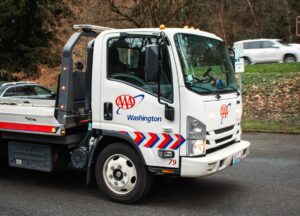
If jump-starting your vehicle does not resolve the issue, it may be time to consider towing it to a repair shop. Towing is often necessary when a vehicle is unable to start due to more complex problems that cannot be easily addressed on-site. Whether it’s a mechanical failure or an electrical issue, having your vehicle transported by professionals ensures that it reaches a qualified technician who can diagnose and fix the problem.
When arranging for towing, it’s essential to choose a reliable service that understands your needs. Look for a company that offers 24/7 assistance and has experience with various types of vehicles. A professional towing service will have the right equipment, such as flatbed trucks or wheel-lift systems, to safely transport your vehicle without causing further damage. Additionally, they will be familiar with local regulations and can navigate through Oklahoma City efficiently.
Checking the Battery
Once your vehicle is at a repair shop or if you feel comfortable doing some troubleshooting yourself, checking the battery should be one of your first steps. A battery can fail for several reasons, including age, corrosion on terminals, or simply being drained from leaving lights on or using accessories while the engine is off.
Inspecting the battery visually can provide clues about its condition.
Start by examining the battery terminals for any signs of corrosion, which appears as a white, powdery substance around the connections. If you notice corrosion, it’s essential to clean it off carefully using a mixture of baking soda and water. Ensure that you wear gloves and safety goggles during this process to protect yourself from any harmful substances. After cleaning, check if the connections are tight and secure. If everything looks good but your vehicle still won’t start, it may be time to test the battery’s voltage using a multimeter or take it to a professional for further evaluation.
If you find yourself struggling with a vehicle that won’t start, it can be helpful to explore additional resources that provide guidance on handling such situations. For instance, you might want to check out this informative article on vehicle recovery options, which outlines various methods to get your car back on the road. Whether you need a jump start, a tow, or a thorough diagnosis, having the right information can make all the difference in resolving your car troubles efficiently.
Testing the Alternator
| Scenario | Action |
|---|---|
| Dead Battery | Jump start the vehicle using jumper cables and another vehicle |
| Mechanical Issue | Tow the vehicle to a mechanic or repair shop |
| Uncertain Issue | Diagnose the problem by checking for loose connections, fuel levels, and other potential issues |
If your battery appears to be in good condition but your vehicle still won’t start, the next component to investigate is the alternator. The alternator is responsible for charging the battery while the engine is running and powering electrical systems in your vehicle. A malfunctioning alternator can lead to a drained battery and starting issues.
To test the alternator, you can use a multimeter to measure its output voltage while the engine is running. A healthy alternator should produce between 13.8 and 14.2 volts. If the reading is significantly lower than this range, it may indicate that your alternator is not functioning correctly and needs replacement. Additionally, listen for any unusual noises coming from the alternator while the engine is running; grinding or whining sounds could signal internal damage.