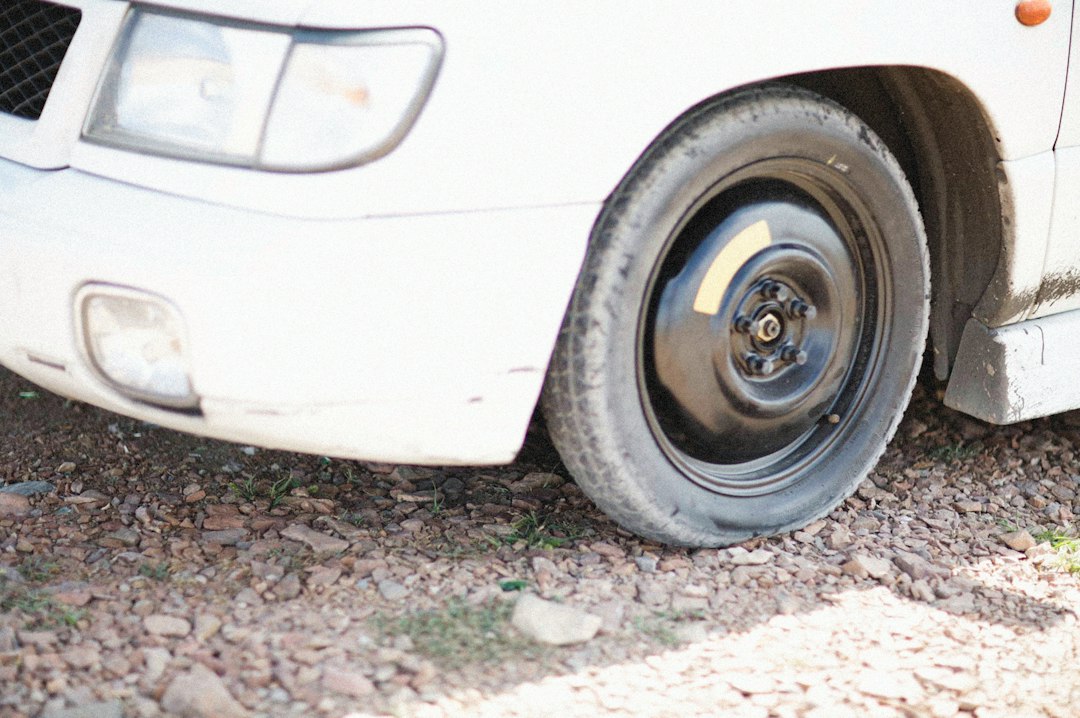
Tire blowouts can be alarming and dangerous events for drivers, often occurring without warning. Understanding the causes of these incidents is crucial for prevention and safety. One of the primary reasons for tire blowouts is under-inflation. When tires are not inflated to the recommended pressure, they can overheat, leading to a failure of the tire structure. This is particularly common in hot weather or during long drives when the tires are subjected to increased friction and heat.
Another significant cause of tire blowouts is road hazards. Potholes, debris, and sharp objects can puncture or damage tires, leading to sudden air loss. Additionally, excessive wear and tear from neglecting regular maintenance can weaken tires over time. Drivers should be aware that tires have a lifespan, and using them beyond their recommended mileage can increase the risk of blowouts. Regular inspections and timely replacements are essential to ensure that tires remain in good condition.
If you’re interested in learning more about tire safety and maintenance, you might find the article on “Essential Tips for Preventing Tire Blowouts” particularly helpful.
It provides valuable insights on how to properly care for your tires, recognize warning signs, and avoid situations that could lead to a blowout.
For more information, check out the article here: Essential Tips for Preventing Tire Blowouts.
Key Takeaways
- Tire blowouts can be caused by factors such as underinflation, overloading, and old or worn-out tires.
- Signs of a tire blowout include a sudden loud noise, difficulty steering, and a sudden loss of control or stability.
- When experiencing a tire blowout, it’s important to stay calm, grip the steering wheel firmly, and gradually slow down while avoiding sudden movements.
- Assess the damage after a tire blowout to determine if a tow is necessary, considering factors such as the extent of damage and the availability of a spare tire.
- Factors to consider before deciding to tow include the location, time of day, and availability of roadside assistance or a nearby repair shop.
Signs of a Tire Blowout
Recognizing the signs of a potential tire blowout can help drivers take preventive measures before an incident occurs. One of the most common indicators is a noticeable vibration or shaking in the steering wheel or vehicle body. This can signal that a tire is losing air or has become unbalanced. Drivers should also pay attention to any unusual noises, such as thumping or flapping sounds, which may indicate that a tire is damaged.
Another sign to watch for is a sudden change in handling. If the vehicle feels different while driving, such as pulling to one side or difficulty steering, it may be time to check the tires. Additionally, visual inspections can reveal issues; bulges, cracks, or uneven wear on the tire surface are all warning signs that should not be ignored. Being vigilant about these signs can help prevent a blowout and ensure safer driving conditions.
Steps to Take When Experiencing a Tire Blowout
Experiencing a tire blowout can be a frightening situation, but knowing how to respond can help maintain safety on the road. The first step is to remain calm and avoid slamming on the brakes. Instead, gently ease off the accelerator and allow the vehicle to slow down gradually. This helps maintain control and reduces the risk of losing control of the vehicle.
Once you have slowed down, steer the vehicle to a safe location away from traffic. If possible, find a flat area where you can safely assess the situation. Turn on your hazard lights to alert other drivers that you are experiencing an issue. After coming to a complete stop, you can then assess whether you need assistance or if you can change the tire yourself.
Assessing the Damage: Do You Need a Tow?
After experiencing a tire blowout, it’s essential to assess the damage before deciding whether to tow your vehicle. If you have a spare tire and the necessary tools, you may be able to change the tire on your own. However, if the blowout has caused damage to other components of the vehicle, such as the wheel rim or suspension, it may be safer to call for a tow.
Additionally, if you are in an unsafe location or unable to change the tire due to physical limitations, seeking professional assistance is advisable. A towing service can safely transport your vehicle to a repair shop where it can be properly assessed and repaired. It’s important to prioritize safety and avoid taking unnecessary risks when dealing with vehicle issues.
If you’re interested in understanding more about tire maintenance and safety, you might find our article on preventing tire blowouts particularly useful. It delves into the signs that indicate your tires may be at risk and offers tips on how to extend their lifespan, ensuring that you stay safe on the road. Knowing when to call for a tow after a blowout can be crucial, but being proactive about tire care can help you avoid those situations altogether.
Factors to Consider Before Deciding to Tow
| Scenario | Needs Tow | Doesn’t Need Tow |
|---|---|---|
| Blowout on Highway | Yes | No, if can safely change tire |
| No Spare Tire | Yes | No, if can call for roadside assistance |
| Damage to Wheel | Yes | No, if can replace tire and wheel |
When deciding whether to tow your vehicle after a tire blowout, several factors should be taken into account. First, consider your location. If you are on a busy highway or in an area with heavy traffic, it may be safer to call for a tow rather than attempting to change the tire yourself. Your safety and that of other drivers should always come first.
Next, evaluate the condition of your spare tire and tools. If your spare is also worn or damaged, it may not be reliable for use. Additionally, if you lack the necessary tools or experience to change a tire safely, calling for professional help is a wise choice.
Lastly, consider the time of day and weather conditions; poor visibility or inclement weather can make changing a tire more hazardous.
Safety Precautions When Handling a Tire Blowout
Safety should always be your top priority when dealing with a tire blowout. First and foremost, ensure that you are in a safe location away from traffic before attempting any repairs or assessments. If you are on the side of the road, use cones or flares if available to alert other drivers of your presence.
When changing a tire, make sure your vehicle is on level ground and engage the parking brake to prevent any movement. Use wheel chocks if necessary for added stability. Always wear gloves when handling tires and tools to protect your hands from sharp edges or debris. If you are unsure about changing the tire yourself, do not hesitate to call for professional assistance.
Alternatives to Towing After a Tire Blowout
While towing is often necessary after a tire blowout, there are alternatives that may be suitable depending on your situation. If you have roadside assistance coverage through your insurance or an auto club, they may provide services such as mobile tire repair or replacement at your location. This can save you time and eliminate the need for towing altogether.
Another option is to contact a local mechanic who may offer mobile services. Some mechanics can come directly to your location and assist with changing the tire or assessing any damage without needing to tow your vehicle. This can be particularly helpful if you are in an area where towing services may take longer to arrive.
Tips for Preventing Tire Blowouts
Preventing tire blowouts starts with regular maintenance and inspections of your tires. Check your tire pressure at least once a month and before long trips to ensure they are properly inflated. Under-inflated tires are more prone to overheating and blowouts, so maintaining correct pressure is crucial.
Additionally, inspect your tires for signs of wear and tear regularly. Look for cracks, bulges, or uneven tread wear that could indicate potential issues. Rotating your tires every 5,000 to 7,500 miles can also help extend their lifespan and promote even wear.
Finally, avoid overloading your vehicle beyond its weight capacity, as this can put excessive strain on your tires and increase the risk of blowouts. By following these preventive measures and staying vigilant about your tires’ condition, you can significantly reduce the likelihood of experiencing a blowout while driving.
In conclusion, understanding tire blowouts—how they occur, how to respond when they happen, and how to prevent them—is essential for every driver. By being proactive about maintenance and safety precautions, you can help ensure safer travels on Oklahoma roads.
If you find yourself in need of assistance after experiencing a tire blowout or any other roadside emergency, don’t hesitate to call Arrow Wrecker Service at (405) 943-1800. We’re here 24/7 to provide professional towing and recovery services in Oklahoma City and beyond. Visit us at 700 N. Villa Ave, Oklahoma City, OK 73107 for reliable support when you need it most.
FAQs
What causes a tire blowout?
Tire blowouts can be caused by a variety of factors, including underinflation, overinflation, old or worn-out tires, potholes, and road debris. It’s important to regularly check tire pressure and tread depth to prevent blowouts.
How can I tell if I’ve had a tire blowout?
Signs of a tire blowout include a sudden loss of control, a loud bang or popping sound, difficulty steering, and the car pulling to one side. If you experience these symptoms, it’s important to safely pull over to the side of the road as soon as possible.
When does a tire blowout require a tow?
If you experience a tire blowout on a busy highway, in heavy traffic, or if you’re unable to safely change the tire yourself, it’s best to call for a tow. Additionally, if the blowout causes damage to the wheel or suspension, a tow may be necessary.
Can I drive on a flat tire instead of calling for a tow?
It’s not recommended to drive on a flat tire, as it can cause further damage to the wheel and suspension. Driving on a flat tire can also be dangerous and lead to loss of control of the vehicle.
How can I prevent a tire blowout?
Regularly checking tire pressure, inspecting tires for wear and tear, avoiding road hazards, and driving at safe speeds can all help prevent tire blowouts. It’s also important to replace tires when they are old or worn out.