When it comes to towing, understanding the unique characteristics of low-clearance and custom vehicles is essential. These vehicles often have modifications that can affect their towing requirements and safety. Low-clearance vehicles, such as sports cars or lowered trucks, typically have less ground clearance than standard vehicles. This can lead to complications during the towing process, as the vehicle may be more susceptible to damage from uneven surfaces or improper towing techniques. Custom vehicles, on the other hand, may have specialized parts or configurations that require careful consideration when being towed.
Recognizing the specific needs of these vehicles is crucial for ensuring a safe towing experience. For instance, a low-clearance vehicle may require a flatbed tow truck to avoid scraping the undercarriage on the road. Custom vehicles might need additional support or specialized equipment to secure them properly during transport. Understanding these factors not only helps in selecting the right towing method but also minimizes the risk of damage during the towing process.
For those interested in understanding the intricacies of safe towing for low-clearance and custom vehicles, a related article can be found at Arrow Wrecker’s Terms. This resource provides valuable insights into the best practices and considerations for towing specialized vehicles, ensuring that owners can transport their prized possessions without risk of damage.
Key Takeaways
- Understand the unique needs of low-clearance and custom vehicles to ensure safe towing.
- Select appropriate towing equipment that matches the vehicle’s specifications and weight.
- Secure the vehicle properly to prevent movement during transit and ensure safety.
- Adjust your speed and driving techniques to accommodate the towing load and road conditions.
- Stay vigilant for obstacles and hazards, and communicate effectively with other road users.
Choosing the Right Towing Equipment
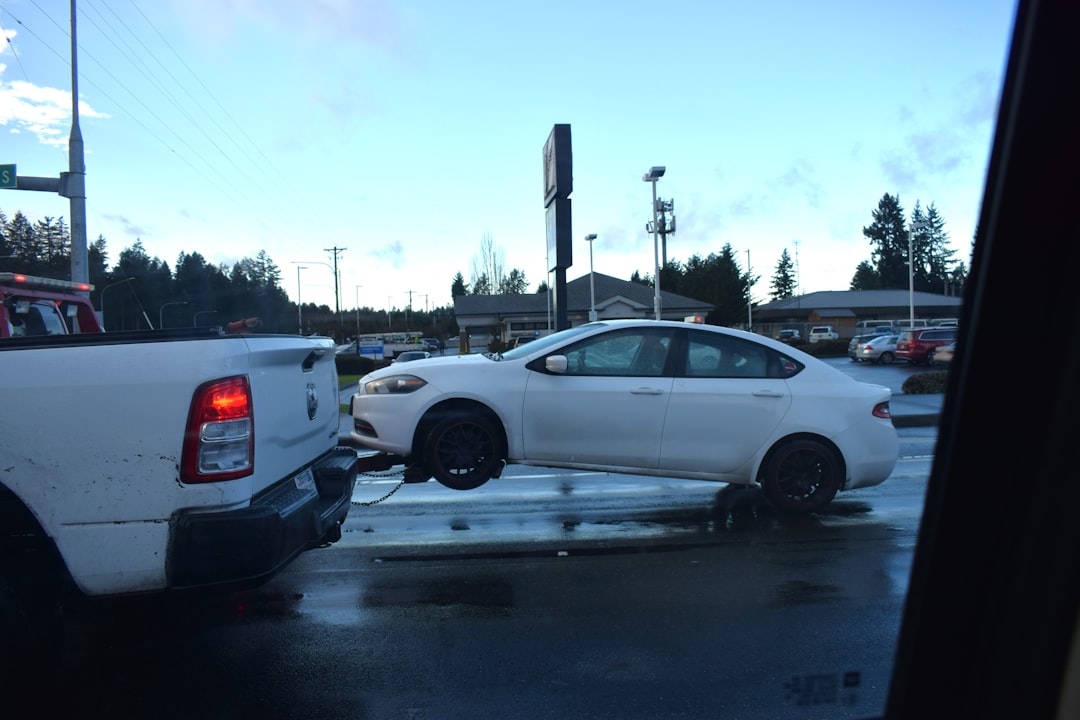
Selecting the appropriate towing equipment is a vital step in ensuring a successful towing operation. The type of vehicle being towed will dictate the kind of equipment needed. For light and medium-duty vehicles, flatbed and wheel-lift tow trucks are often the best choices. Flatbed trucks provide a stable platform for transporting vehicles, reducing the risk of damage during transit. Wheel-lift trucks, on the other hand, are ideal for vehicles that can be lifted by their wheels, making them suitable for many standard cars and light trucks.
For heavier vehicles or those with unique towing requirements, heavy-duty towing equipment is necessary. This includes specialized tow trucks equipped with winches and additional support systems designed to handle larger loads. Heavy-duty towing is often required for commercial vehicles, buses, and larger trucks that cannot be towed using standard equipment. Understanding the weight and dimensions of the vehicle being towed will help in selecting the right equipment for the job.
Properly Securing the Vehicle for Towing
Once the appropriate towing equipment has been selected, the next step is to ensure that the vehicle is properly secured for transport. This is a critical aspect of the towing process that cannot be overlooked. Properly securing a vehicle involves using straps, chains, or other securing devices to prevent movement during transit. This is especially important for low-clearance and custom vehicles, which may be more prone to shifting or sliding if not adequately secured.
Before beginning the towing process, it’s essential to inspect all securing devices for wear and tear. Any frayed straps or damaged chains should be replaced immediately to ensure safety.
Additionally, it’s important to position the securing devices correctly around the vehicle’s frame or designated tie-down points.
This will help distribute weight evenly and prevent any undue stress on specific areas of the vehicle during transport.
Adjusting Speed and Driving Techniques
When towing a vehicle, adjusting speed and driving techniques is crucial for maintaining safety on the road. Towing a vehicle changes the dynamics of driving, requiring a more cautious approach. Drivers should be aware that stopping distances will increase when towing, so it’s essential to allow for extra space between vehicles. Additionally, sharp turns and sudden stops should be avoided whenever possible to prevent swaying or loss of control.
Maintaining a steady speed is also important when towing. Rapid acceleration or deceleration can lead to instability, especially with heavier loads. Drivers should aim to keep their speed consistent and within legal limits while being mindful of road conditions. This includes adjusting speed in adverse weather conditions or when navigating through construction zones or rough terrain.
When considering safe towing practices for low-clearance and custom vehicles, it is essential to understand the unique challenges these vehicles present. For instance, a related article on the importance of proper towing techniques can provide valuable insights into ensuring the safety of your vehicle during transport. You can read more about this topic in the article found here, which offers tips and guidelines tailored specifically for owners of specialized vehicles. Understanding these practices can help prevent damage and ensure a smooth towing experience.
Checking for Potential Obstacles and Hazards
| Metric | Description | Recommended Value/Guideline | Notes |
|---|---|---|---|
| Ground Clearance | Minimum distance between the lowest part of the vehicle and the ground | Measure exact clearance; typically less than 5 inches for low-clearance vehicles | Critical for selecting appropriate towing equipment and ramps |
| Towing Method | Type of towing used (flatbed, dolly, or flat tow) | Flatbed towing preferred for low-clearance/custom vehicles | Prevents damage to undercarriage and suspension |
| Ramp Angle | Angle of the loading ramp used to load the vehicle onto the tow truck | Less than 15 degrees recommended | Steeper angles increase risk of scraping or damage |
| Wheel Lift Clearance | Height clearance needed for wheel lift towing equipment | Minimum 6 inches clearance recommended | May not be suitable for very low-clearance vehicles |
| Vehicle Weight | Total weight of the vehicle to be towed | Varies; ensure tow truck capacity exceeds vehicle weight by 20% | Important for safety and equipment selection |
| Custom Modifications | Presence of aftermarket parts affecting towing (e.g., spoilers, lowered suspension) | Document all modifications before towing | May require special handling or equipment |
| Securement Points | Designated points on the vehicle for attaching tow straps or chains | Use manufacturer-recommended securement points only | Prevents damage and ensures safe towing |
| Loading Speed | Speed at which the vehicle is loaded onto the tow truck | Slow and steady, typically under 5 mph | Reduces risk of damage and ensures control |
| Pre-Tow Inspection | Checklist to verify vehicle readiness for towing | Complete inspection including fluid leaks, tire pressure, and securement | Helps prevent damage and accidents during towing |
Before setting out on a towing journey, it’s vital to check for potential obstacles and hazards along the route. This includes looking out for low bridges, narrow roads, and areas with limited visibility that could pose challenges while towing a vehicle. Being aware of these obstacles can help drivers plan their route more effectively and avoid potential accidents.
In addition to physical obstacles, drivers should also be vigilant about other road users. Pedestrians, cyclists, and other vehicles can create hazards that require quick reflexes and careful maneuvering. Keeping an eye on surrounding traffic and anticipating potential issues can help ensure a safer towing experience.
For those interested in safe towing practices, especially for low-clearance and custom vehicles, it’s essential to stay informed about the best techniques and equipment available. A related article that offers valuable insights on this topic can be found at Arrow Wrecker, where you can learn more about the importance of proper towing methods to ensure the safety of your vehicle and others on the road.
Communicating with Other Drivers and Road Users
Effective communication with other drivers and road users is an essential aspect of safe towing practices. Using turn signals well in advance of any lane changes or turns can alert other drivers to your intentions, reducing the risk of accidents. Additionally, maintaining eye contact with other drivers at intersections can help ensure that everyone is aware of each other’s presence.
In some cases, it may be necessary to use hazard lights when towing, especially if you are moving at slower speeds or navigating through tight spaces. This signals to other drivers that you are transporting a vehicle and may require extra caution when passing. Clear communication can significantly enhance safety on the road and help prevent misunderstandings that could lead to accidents.
Being Prepared for Emergencies
Despite careful planning and execution, emergencies can still occur while towing a vehicle. Being prepared for these situations is crucial for ensuring safety for both the driver and other road users. One of the first steps in emergency preparedness is having a roadside emergency kit readily available in your vehicle. This kit should include items such as flares, reflective triangles, first aid supplies, and basic tools.
In addition to having an emergency kit, drivers should also familiarize themselves with emergency procedures specific to towing situations. This includes knowing how to safely detach a vehicle if necessary or how to handle a breakdown while on the road. Understanding these procedures can help reduce panic during an emergency and allow for a more effective response.
Seeking Professional Help when Necessary
While many towing situations can be managed independently, there are times when seeking professional help is the best course of action. If you encounter a particularly challenging situation or if you are unsure about how to proceed safely, it’s wise to call in professionals who specialize in towing and recovery services. Companies like Arrow Wrecker Service are equipped with the right tools and expertise to handle various towing scenarios safely.
Professional help can also be invaluable in emergencies where safety is at risk. Whether dealing with a rollover accident or needing assistance with heavy-duty recovery, trained professionals can assess the situation quickly and implement effective solutions. Knowing when to seek help not only ensures your safety but also protects your vehicle from potential damage during transport.
In conclusion, understanding low-clearance and custom vehicles, choosing the right equipment, securing vehicles properly, adjusting driving techniques, checking for hazards, communicating effectively, preparing for emergencies, and knowing when to seek professional help are all critical components of safe towing practices. By following these guidelines, you can ensure a smoother experience whether you are transporting your own vehicle or assisting someone else in need.
For reliable 24/7 towing services in Oklahoma City, call Arrow Wrecker Service at (405) 943-1800 and mention 700 N. Villa Ave, Oklahoma City, OK 73107 for assistance tailored to your needs.
FAQs
What is considered a low-clearance vehicle?
Low-clearance vehicles are those with a lower-than-average ground clearance, making them more susceptible to scraping or damage when towing or driving over uneven surfaces.
How can I safely tow a low-clearance vehicle?
To safely tow a low-clearance vehicle, it is recommended to use a flatbed trailer or a tow dolly to avoid causing damage to the vehicle’s undercarriage. Additionally, ensure that the towing equipment is properly secured and that the vehicle is loaded onto the trailer or dolly correctly.
What precautions should be taken when towing custom vehicles?
When towing custom vehicles, it is important to consider any modifications that may affect the towing process, such as lowered suspensions or aftermarket body kits. Extra care should be taken to ensure that the towing equipment is compatible with the vehicle’s custom features to prevent damage during transport.
Are there any specific towing techniques for low-clearance or custom vehicles?
When towing low-clearance or custom vehicles, it is recommended to drive slowly and avoid sudden stops or sharp turns to prevent scraping or damage. Additionally, consider using ramps or blocks to help load the vehicle onto the trailer or dolly without causing any harm.
What are the risks of improper towing for low-clearance or custom vehicles?
Improper towing of low-clearance or custom vehicles can result in damage to the vehicle’s undercarriage, body, or custom modifications. This can lead to costly repairs and potentially compromise the safety and integrity of the vehicle. It is essential to follow safe towing practices to avoid these risks.